 bluename
 How to Care for Caladiums After Fertilizing: Monitor for Burn
You’ve just given your stunning caladiums a nutrient boost, envisioning even more vibrant, heart-shaped leaves. But instead of thriving, you notice the edges of those beautiful leaves turning crispy brown or yellow. That sinking feeling is all too common—it’s fertilizer burn, and it can happen quickly if you’re not vigilant after feeding your plants.
This post-fertilization period is critical. Proper care isn’t just about applying fertilizer; it’s about the attentive follow-up that ensures your caladiums absorb the nutrients safely and display their full, colorful potential. Let’s walk through the essential steps to protect your plants and promote healthy growth after feeding.
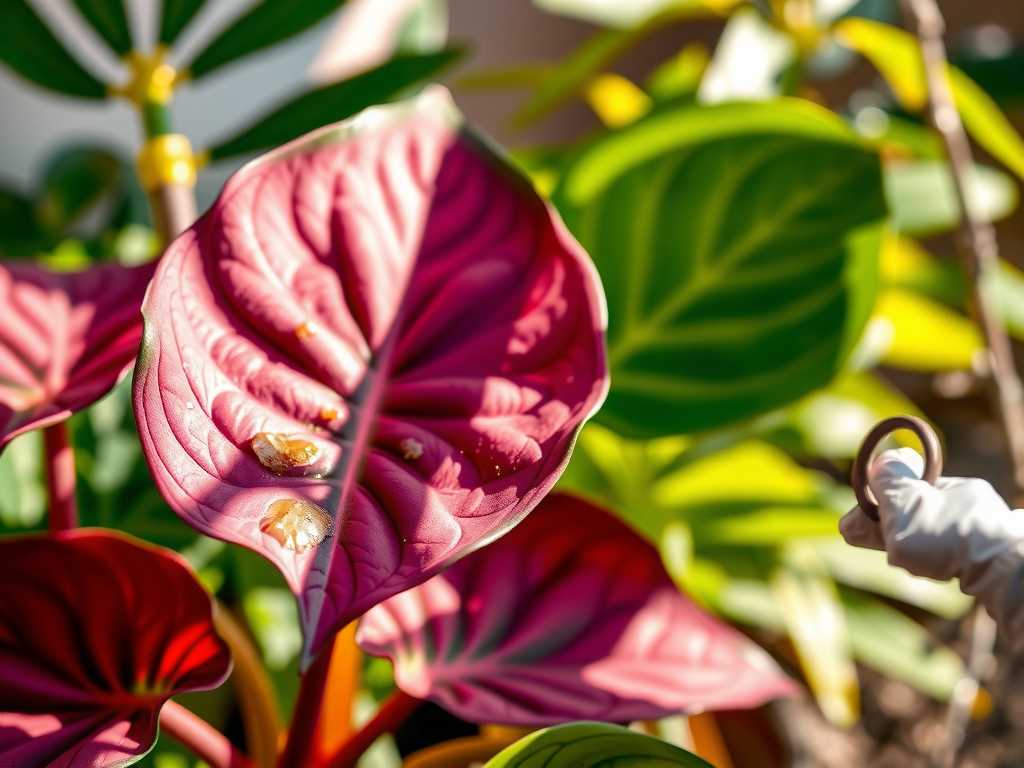
Why Monitoring After Fertilizing is Non-Negotiable
Caladiums are prized for their spectacular foliage, but their root systems can be surprisingly sensitive. Fertilizers provide essential salts (nutrients), but in excess or without proper dilution, these salts draw moisture out of the roots, causing dehydration and damage—the primary cause of fertilizer burn. Symptoms like leaf tip scorch, yellowing margins, or sudden wilting are distress signals.
The goal after fertilizing is to facilitate safe nutrient uptake and mitigate any stress. By monitoring closely, you can catch early signs of trouble and intervene before cosmetic damage becomes a serious health issue for the plant.
The Immediate Post-Fertilization Action Plan
Your care routine in the 24-48 hours after feeding sets the stage for success.
First, water deeply and thoroughly. This is the most crucial step. After applying liquid fertilizer, give your caladiums a generous watering even if the soil feels slightly moist. This helps dissolve the fertilizer further and moves it through the soil profile, preventing a concentrated salt buildup around the roots. For potted caladiums, water until you see it draining freely from the bottom holes, ensuring the entire root ball is reached.
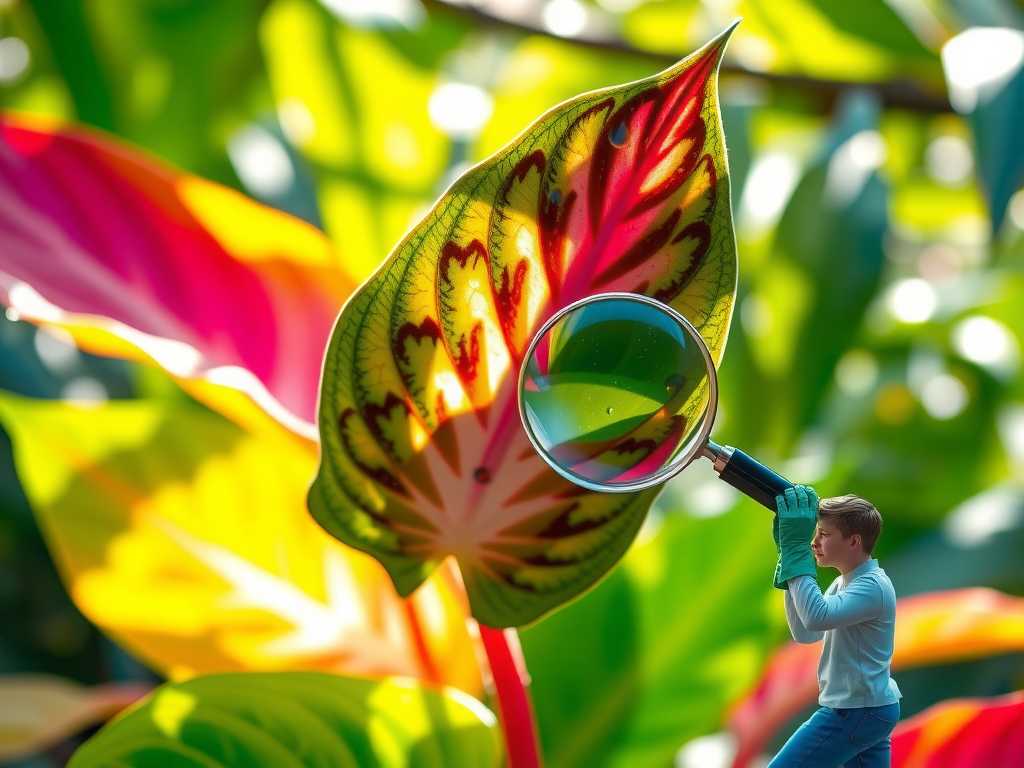
Next, ensure optimal environmental conditions. Avoid placing your freshly fertilized plants in direct, hot sunlight. Bright, indirect light is ideal. High temperatures can increase evaporation and stress, potentially exacerbating burn. Maintain consistent warmth and consider slightly elevating humidity around the plant, which helps leaves stay turgid and reduces moisture loss.
Key Signs of Fertilizer Burn to Watch For
Vigilant monitoring means knowing what to look for. Early detection makes correction much easier.
The most telling symptom is leaf scorch. You’ll see browning or yellowing that starts at the very tips and margins of the leaves, gradually moving inward. The affected tissue will be dry and crispy to the touch. According to a study in the HortScience journal, leaf scorch is a direct physiological response to root damage and disrupted water flow.
Watch for overall plant distress signals. This includes sudden wilting or drooping despite adequate soil moisture, or a general slowdown in new growth. In severe cases, you might notice a white, crusty layer of salt buildup on the soil surface or around the rim of the pot—a clear sign of excess fertilizer residue.
How to Respond If You Detect Burn Damage
If you spot the signs, don’t panic. Immediate action can help your caladium recover.
Begin with soil leaching. This process involves flushing the soil with a large volume of clean water to dissolve and wash away excess salts. For container plants, place them in a sink or outdoors and slowly run water through the soil for several minutes, allowing it to drain completely. Repeat this 2-3 times over an hour. For garden beds, water deeply for an extended period.
Trim away severely damaged foliage. Using clean, sharp scissors, carefully remove leaves that are more than 50% scorched. This allows the plant to redirect energy into producing new, healthy growth and repairing its root system. Do not fertilize again until the plant shows clear signs of recovery and new growth, which may take 4-6 weeks.
Best Practices for Fertilizing to Prevent Burn
Prevention is always better than cure. Adopting these practices minimizes risk.
Always err on the side of dilution. As noted by horticulturist Dr. Linda Chalker-Scott, “More is not better when it comes to fertilizer.” For caladiums, use a balanced, water-soluble fertilizer (like a 10-10-10 or 20-20-20 formula) and dilute it to half the strength recommended on the label. This provides ample nutrition without overwhelming the plant.
Establish a consistent feeding schedule. Fertilize your caladiums lightly but regularly during their active growing season (spring and summer)—typically every 4-6 weeks. This steady supply is far safer than a single, heavy dose. Always ensure the soil is slightly moist before applying any fertilizer, never bone dry.
Long-Term Care for Continual Vibrant Foliage
Your post-fertilization care integrates into your overall plant maintenance.
Maintain excellent soil health. Use a well-draining, peat-based potting mix that retains moisture without becoming waterlogged. Good drainage is paramount for preventing salt accumulation. For in-ground plants, amending soil with organic compost improves structure and nutrient buffering capacity.
Observe and adapt. Your caladium will tell you what it needs. Lush, firm leaves with strong color mean your regimen is working. Slow growth or pale leaves may indicate a need for a slight nutrient boost, while burnt tips are a clear sign to pull back. Keep a simple log to track feeding dates and the plant’s response.
Frequently Asked Questions
Can a caladium recover from fertilizer burn? Yes, most caladiums can recover fully if the damage is caught early and corrective steps like leaching are taken promptly. The plant will focus energy on new growth. Severely damaged leaves won’t repair themselves and can be trimmed.
How long after fertilizing do burn signs appear? Symptoms can appear within a few days to a week after application. This is why close monitoring in the first week is so important. Slow-release fertilizers may cause symptoms to appear more gradually.
What is the safest fertilizer type for sensitive caladiums? Liquid fertilizers diluted to half-strength are often recommended for control. Alternatively, organic options like fish emulsion or worm castings are gentler and less likely to cause burn, though they feed more slowly.
Caring for caladiums after fertilizing truly hinges on mindful observation. By watering deeply, providing a stable environment, and diligently monitoring for those early signs of leaf scorch, you safeguard the breathtaking beauty of your plants. Remember, a gentle, consistent approach to feeding, coupled with prompt action at the first hint of trouble, will keep your caladiums showcasing their vibrant, heart-shaped leaves all season long. The key is to work with the plant’s natural rhythms, providing support without force.





