 bluename
 How to Grow Caladiums in Mixed Planters: A Complete Planting Guide
You've chosen the vibrant, heart-shaped leaves of caladiums to be the star of your mixed planters, but now you're faced with the real challenge. How do you combine these stunning foliage plants with others without them getting lost or, worse, failing to thrive? It's frustrating when your carefully designed container ends up with one plant overpowering the rest, or when the caladiums' brilliant colors fade because their needs aren't met. This comprehensive guide is designed to solve those exact problems. We will walk you through every critical step, from selecting the perfect companions to mastering the planting process, ensuring your mixed planters become a breathtaking showcase of texture and color.
Understanding Caladiums: The Foundation for Success
Before we dive into the planting steps for mixed containers, it's crucial to understand what makes caladiums unique. Native to tropical South America, caladiums are grown almost exclusively for their spectacular, often multicolored leaves. They thrive in warm, humid conditions with bright, indirect light and consistently moist, well-draining soil. Their growth cycle is also key; they emerge from tubers in spring, peak in summer, and enter dormancy as temperatures cool in fall. This knowledge directly informs every decision you'll make in creating a successful mixed planter.
Selecting the Right Caladium Varieties for Containers
Not all caladiums are created equal, especially for container gardening. For mixed planters, your goal is to choose varieties that offer the right color contrast and growth habit.
- Dwarf or Medium Varieties: Opt for compact types like 'White Christmas', 'Puppy Love', or 'Miss Muffet'. These stay manageable and won't overwhelm their container mates.
- Color Palette: Consider your overall design. A white and green caladium like 'Candidum' provides a bright, neutral backdrop for colorful flowers. A bold red and green variety like 'Red Flash' can be a dramatic focal point.
- Sun Tolerance: While most prefer shade, many newer cultivars like 'Florida Sweetheart' or 'Sunshine' offer improved tolerance to morning sun, giving you more flexibility in plant placement.
Choosing the Perfect Companions for Your Caladiums
The art of the mixed planter lies in complementary partnerships. The best companions will highlight the caladiums' foliage without competing for the same resources or stealing the show.
- Texture Contrast: Pair the broad, smooth leaves of caladiums with fine-textured plants like Asparagus Fern, Creeping Jenny (Lysimachia), or delicate ornamental grasses.
- Form and Habit: Use trailing plants to spill over the edges (e.g., Ivy, Vinca Vine, or Bacopa) and upright, spiky plants for vertical interest (e.g., Dwarf Canna Lily, or a small Cordyline).
- Floral Accents: Select flowers that thrive in similar light and moisture conditions. Impatiens, Begonias (wax or tuberous), Fuchsia, and Torenia are excellent shade-loving choices. For sunnier spots with tolerant caladiums, consider Coleus, New Guinea Impatiens, or Wave Petunias.
- Expert Tip: Renowned horticulturist and container design expert, Pamela Crawford, emphasizes the "Thriller, Filler, Spiller" formula. In a caladium-centric planter, the caladium often serves as the "Thriller" (focal point). You then add "Filler" plants (like Begonias or ferns) to bulk out the middle, and "Spillers" to cascade over the rim.
Essential Materials and Container Preparation
Gathering the right tools and materials from the start sets the stage for healthy growth.
- The Container: Choose a pot with adequate drainage holes. Size matters—a 12-14 inch diameter pot is a good starting point for 3-5 plants. Larger planters allow for more creative combinations and better moisture retention.
- Potting Mix: Do not use garden soil. A high-quality, lightweight potting mix for caladiums and annuals is essential. Look for a mix that includes peat, perlite, and vermiculite for optimal drainage and aeration. You can further improve it by mixing in a handful of compost for slow-release nutrients.
- The Plants: Healthy caladium tubers or pre-started plants, and your selected companion plants.
- Extras: A trowel, gardening gloves, and a slow-release, balanced fertilizer (e.g., 14-14-14).
Step-by-Step Planting Process for Mixed Planters
Now, let's put it all together. Follow these steps for planting caladiums in containers to ensure a flawless start.
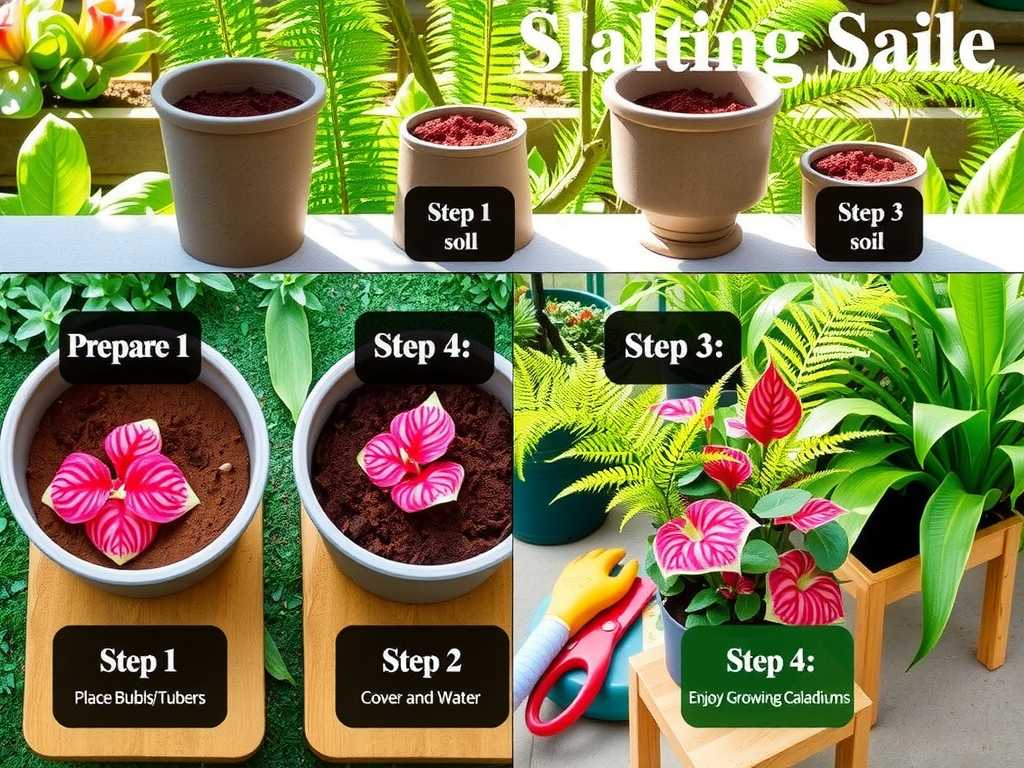
- Prepare the Potting Mix: Moisten the potting mix in a separate bucket until it feels like a damp sponge—crumbly, not soggy. Fill your container about one-third full with the pre-moistened mix.
- Arrange Your Plants (The "Dry Fit"): While still in their nursery pots, arrange all your plants on top of the soil layer. Place your caladium tuber or plant slightly off-center towards the back or middle as your focal point. Position trailing plants near the edges and fillers in between. Step back and adjust until the arrangement is visually pleasing.
- Plant the Caladium Tuber: If using a tuber, plant it bumpy side up (bud side), about 2 inches deep. If using a started plant, gently remove it from its pot and loosen the roots slightly.
- Integrate Companion Plants: Remove the other plants from their pots. Dig individual holes for each, ensuring the top of each root ball will sit about an inch below the final soil line. Place them according to your layout.
- Fill and Firm: Gently add more moistened potting mix around all the root balls, firming it lightly to eliminate large air pockets. Leave about an inch of space between the soil surface and the rim of the pot for watering.
- Water and Fertilize: Give your newly planted container a thorough, deep watering until water flows freely from the drainage holes. This settles the soil. Then, incorporate a granular slow-release fertilizer into the top layer of soil according to package rates.
- Initial Placement: Place the finished planter in a warm, sheltered spot with bright, indirect light. Avoid harsh, direct sunlight initially to reduce transplant stress.
Ongoing Care for a Lush, Long-Lasting Display
Planting is just the beginning. Consistent care is what brings the masterpiece to life.
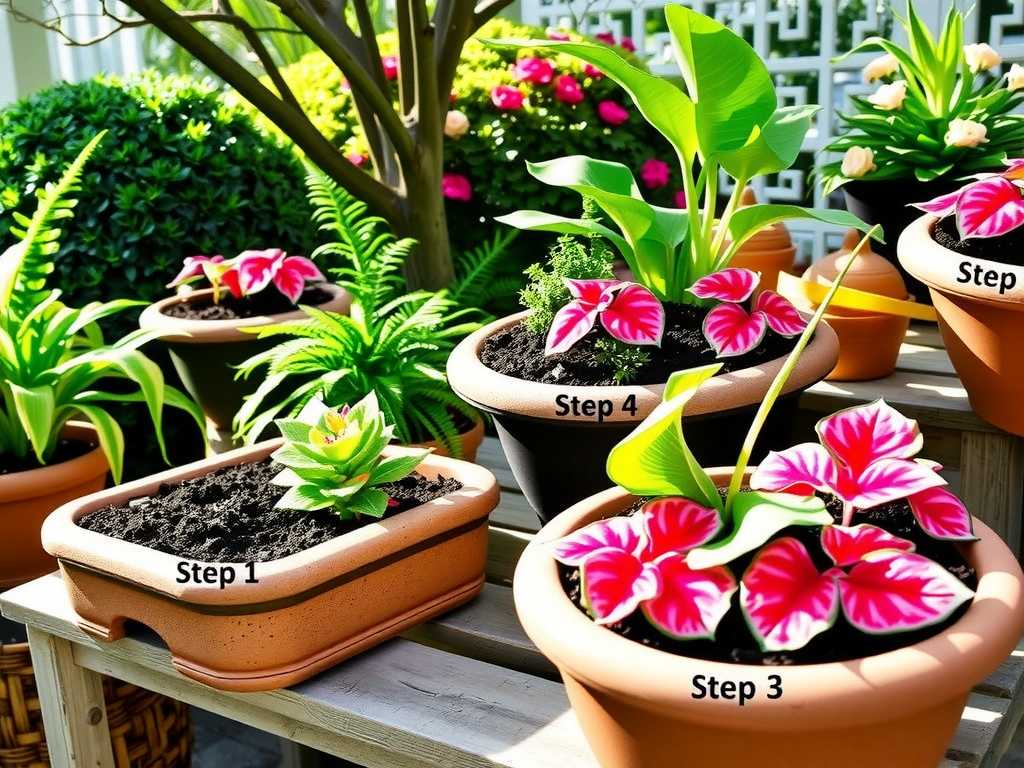
- Watering: This is the most critical task. Watering caladiums in mixed planters requires consistency. Check soil moisture daily in hot weather. The goal is consistently moist soil, never waterlogged and never bone dry. Water deeply when the top inch of soil feels dry.
- Feeding: Supplement the slow-release fertilizer with a bi-weekly application of a water-soluble, balanced fertilizer to support the heavy feeding needs of multiple plants in one container.
- Light: Maintain the appropriate light level for your specific caladium variety and companions. Most prefer partial to full shade. Morning sun with afternoon shade is often ideal.
- Grooming: Regularly remove any yellowing or damaged leaves from any plant in the container. This keeps it looking tidy, improves air circulation, and directs energy to new growth. Pinch back leggy growth on filler plants to encourage bushiness.
- Overwintering Caladium Tubers: In fall, when leaves begin to yellow, reduce watering. After the foliage dies back, carefully dig up the tubers, let them dry for a week, brush off soil, and store them in a mesh bag with dry peat moss in a cool (50-60°F), dark place until spring.
Frequently Asked Questions
Can I leave my caladium tubers in the mixed planter over winter? In most climates, no. Caladiums are not cold-hardy. If you experience freezing winters, the tubers will rot if left in the container outdoors. It's best to follow the overwintering steps above to save and replant them next season.
Why are the leaves on my caladium in the planter turning green or losing color? This is typically due to too much sunlight. The intense pigments in caladium leaves often fade or revert to solid green in direct sun. Relocate your container to a shadier location, and new growth should regain its vibrant coloration.
My caladiums are being overtaken by faster-growing companions. What should I do? Don't hesitate to prune! Container gardening is an active pursuit. Regularly trim back the aggressive companion plants to maintain balance and ensure your caladiums remain visible and have access to light and air. This is a normal part of maintaining a dynamic mixed planting.
Creating a stunning container garden with caladiums is an immensely rewarding project. By understanding their needs, carefully selecting partners, and following a mindful planting and care routine, you can enjoy a movable feast of color and texture from late spring through early fall. Remember, the key lies in treating the planter as a small, interdependent ecosystem where every plant's requirement is considered. With this guide, you're equipped not just to plant, but to cultivate a thriving, harmonious display that will be the envy of your garden.





