 bluename
 How to Design a Caladium Garden: Layout and Color Guide
Have you ever admired a stunning caladium display, only to feel overwhelmed when trying to recreate that magic in your own space? You’re not alone. Many garden enthusiasts struggle with arranging these vibrant foliage plants in a way that looks cohesive, not chaotic. The challenge lies in balancing their explosive colors and varied leaf shapes into a harmonious garden layout. This guide is designed to solve that exact problem. We will walk you through a clear, step-by-step process for designing a caladium garden that maximizes visual impact through thoughtful layout and intelligent color coordination.
Understanding Your Canvas: Site Selection and Preparation
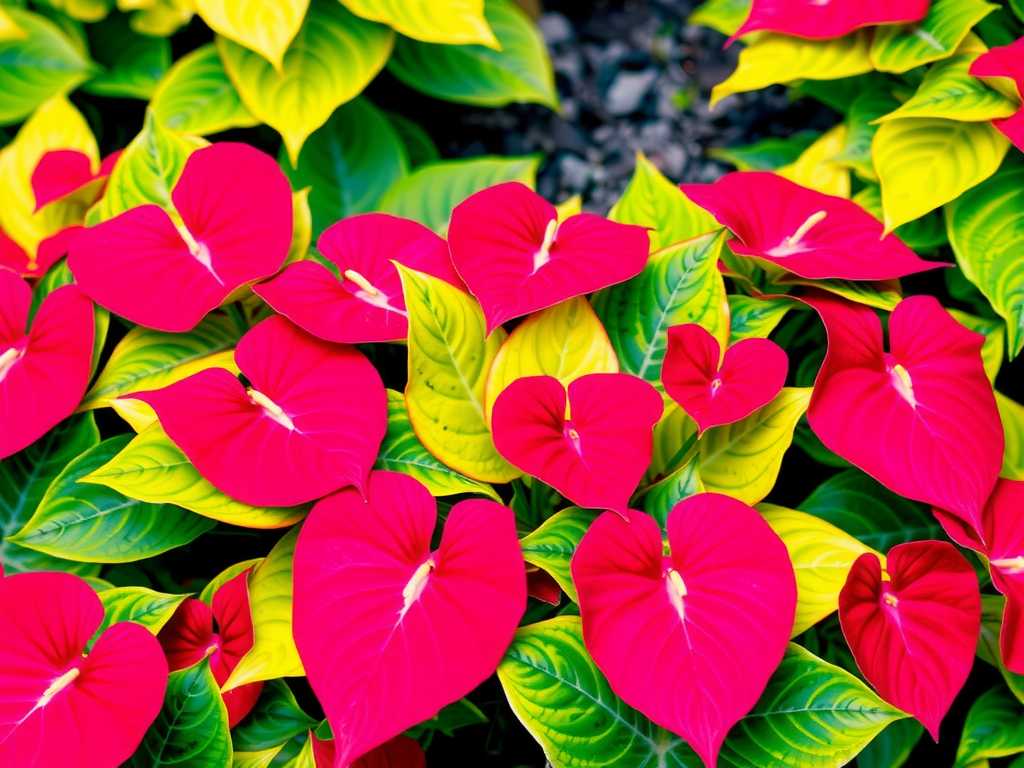
Before you sketch your first layout, success begins with choosing and preparing the right location. Caladiums thrive under specific conditions, and getting these fundamentals right is non-negotiable.
Light is the primary factor. While often marketed for shade, most caladium varieties perform best in filtered sunlight or partial shade. Morning sun with afternoon shade is ideal. Intense, direct afternoon sun can scorch their delicate leaves, causing faded colors and brown edges. Conversely, deep, full shade can lead to leggy plants with less vibrant foliage. As noted by horticulturist Dr. Linda Chalker-Scott in her urban horticulture reports, “The right light exposure is the single most critical factor in expressing a plant’s genetic potential for color and form.” Test your garden area throughout the day to understand its light patterns.
Next, assess your soil. Caladiums demand excellent drainage. They rot quickly in heavy, waterlogged clay. Amend your planting beds with generous amounts of organic compost or well-rotted manure. Aim for a loose, crumbly texture that is rich in organic matter. A slightly acidic to neutral pH (5.5 to 6.5) is perfect. If planting in containers, always use a high-quality, peat-free potting mix designed for pots.
The Art of Caladium Garden Layout
A well-planned layout provides the structure upon which color plays. Think of it as the architecture of your garden.
Start with the Focal Point Principle. Use larger-leaved or exceptionally bold varieties as “thriller” plants. Place them at the back of a border, in the center of an island bed, or as a standalone specimen in a strategic container. Varieties like ‘White Queen’ with its striking red veins and large leaves, or ‘Moonlight’ with its luminous, almost-glowing white foliage, command attention. Position these focal points first; they will anchor your entire design.
Layer by height and habit. Caladiums range from dwarf varieties (10-12 inches) to tall types (over 24 inches). Create depth and interest by planting taller varieties toward the back or center of a bed, with progressively shorter ones toward the front edges. This tiered approach ensures every plant is visible and contributes to a lush, full appearance. Don’t forget to consider the plant’s habit—some are more upright, while others have a cascading form perfect for the edges of pots or raised beds.
Incorporate strategic repetition. Repeating the same caladium variety in several spots throughout a bed creates rhythm and cohesion. It guides the eye through the space and prevents the design from feeling like a random collection of plants. For example, planting clusters of a medium-sized, green-and-white variety like ‘Candidum’ at intervals along a pathway ties the scene together beautifully.
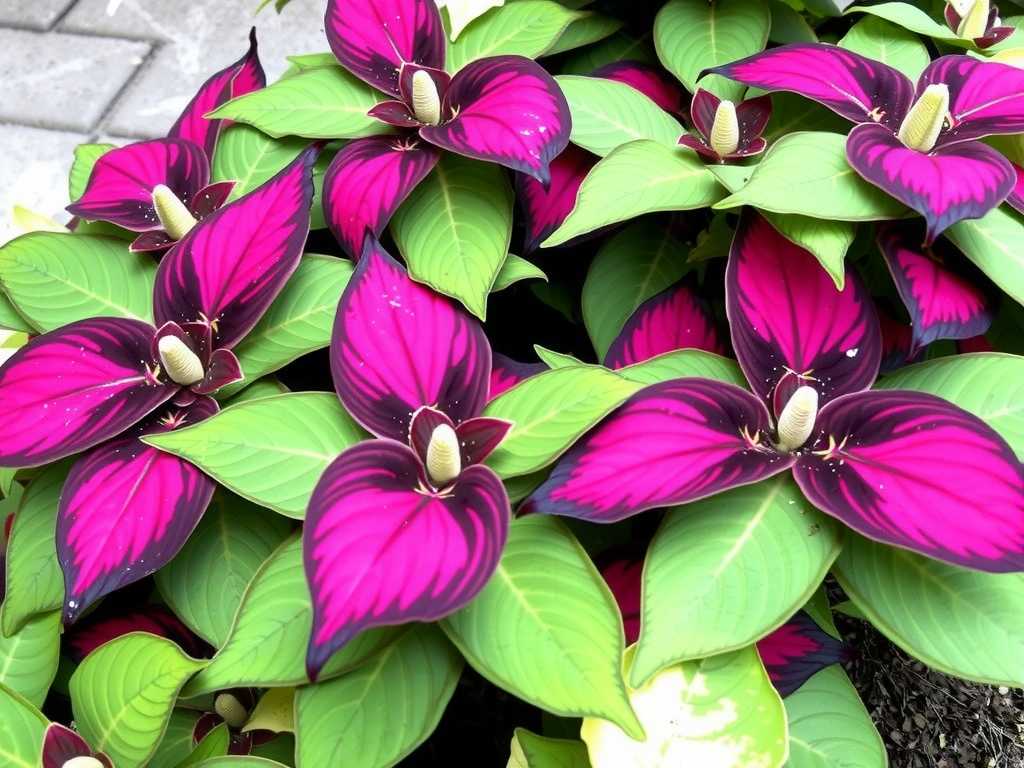
Mastering the Color Palette: A Guide to Harmonious Combinations
This is where your caladium garden transforms from nice to breathtaking. Their leaves offer a spectrum of reds, pinks, whites, greens, and even chartreuse. The key is to combine them with intention.
Embrace Monochromatic Schemes. For a sophisticated, serene look, group caladiums within the same color family. A garden bed featuring ‘Pink Symphony’, ‘Pink Cloud’, and ‘Carolyn Whorton’ (which blends pink and green) offers subtle variations in tone and pattern that are incredibly elegant. This approach is highly effective in shaded areas where softer colors can truly shine.
Create Dynamic Contrast. For high drama, pair opposites. The classic combination is red and green. A variety like ‘Red Flash’, with its dark red centers and green edges, pops brilliantly against the pure green foliage of a hosta or fern. Similarly, bright white varieties like ‘Aaron’ or ‘Candidum Junior’ illuminate dark, shady corners and make excellent companions for deep green or burgundy-leaved plants.
Utilize Analogous Colors. For a vibrant yet harmonious feel, combine colors that sit next to each other on the color wheel. A stunning sequence might include a lime-green variety like ‘Miss Muffet’, transitioning to a green-and-white ‘Florida Sweetheart’, and then to a soft pink ‘Rosebud’. This creates a smooth, flowing gradient of color that is lively but not jarring.
Designing with Companions: Building a Complete Picture
While a caladium-only garden can be spectacular, pairing them with complementary plants adds texture, extends seasonal interest, and enhances the overall design.
Choose Foliage Friends. Ferns, hostas, heucheras, and coleus are perfect partners. They provide contrasting leaf shapes and textures—the broad, heart-shaped caladium leaf against the feathery frond of a fern is a timeless combination. Heucheras, with their metallic and burgundy tones, can echo or contrast with your caladium colors.
Incorporate Strategic Blooms. Use flowering plants sparingly to accentuate, not compete with, the caladiums. Impatiens in soft pinks or whites work well in shade. Begonias, with their waxy leaves and blooms, are another excellent choice. For a touch of vertical interest, consider shade-tolerant spikes of torenia or fuchsia.
Practical Planting and Seasonal Care
Your design comes to life here. Plant caladium tubers or started plants after the soil has warmed consistently to at least 70°F (21°C). Place them 8 to 12 inches apart, depending on the variety’s mature size. Plant them shallowly, with just 1-2 inches of soil covering the tuber.
Consistent moisture is crucial, especially during hot, dry periods. Water deeply when the top inch of soil feels dry. A layer of organic mulch helps retain soil moisture, suppress weeds, and keep roots cool.
For a long-lasting display, remember that caladiums are tender perennials. In cooler climates (zones 3-8), they are treated as annuals, or you can dig up the tubers in fall after the foliage yellows, store them in a cool, dry place over winter, and replant them next spring.
What are the best caladium varieties for deep shade? While most prefer some filtered light, some varieties are more shade-tolerant. Look for older, classic varieties like ‘Candidum’, ‘Aaron’, and ‘White Christmas’. Their predominantly white and green leaves tend to remain bright and perform better in lower light conditions than some of the darker red varieties, which may lose intensity.
How do I prevent my caladium garden from looking too busy? The most common solution is to limit your color palette. Choose 2-3 main colors and stick to them. Use large blocks or repeated drifts of the same variety rather than planting one of everything. Incorporate plenty of solid green from companion plants or the caladiums themselves to give the eye a place to rest.
Can I grow caladiums successfully in containers? Absolutely. Container gardening is an excellent way to design with caladiums. Use a large pot with drainage holes and a quality potting mix. You can create stunning, layered combinations by following the “thriller, filler, spiller” formula: a tall, bold caladium as the thriller, medium ones or ferns as filler, and trailing plants like ivy or creeping Jenny as the spiller. Container gardens allow for precise control over soil and moisture.
Designing a caladium garden is an exercise in joyful creativity. By starting with a solid understanding of their needs, establishing a thoughtful layout, and carefully curating your color palette, you can transform any shady corner into a captivating, living work of art. The process invites you to play with form and hue, resulting in a personalized outdoor space that delights from the first spring shoots to the last vibrant leaves of fall. Remember, the most successful gardens are those that reflect the gardener’s vision, so use these guidelines as a foundation, then let your own creativity flourish.





