 bluename
 How to Maintain a Caladium Garden: Weekly Care Steps
You fell in love with the breathtaking, painterly leaves of caladiums and brought them home, envisioning a vibrant, tropical oasis. But now, those once-lush leaves might be looking a bit tired, developing brown edges, or not producing the spectacular display you hoped for. This common frustration often stems from inconsistent care. Caladiums, with their delicate, colorful foliage, thrive on a regular, attentive routine rather than sporadic attention. The secret to a stunning, season-long show isn't complicated magic—it's a simple, effective weekly checklist. This guide will walk you through the essential weekly care steps to keep your caladium garden thriving, turning your pain point into a point of pride.
Your Essential Weekly caladium care Routine
Establishing a consistent weekly routine is the single most important thing you can do for your caladiums. It allows you to catch small issues before they become big problems and provides the steady environment these plants crave. Set aside a specific day each week for your caladium check-in.
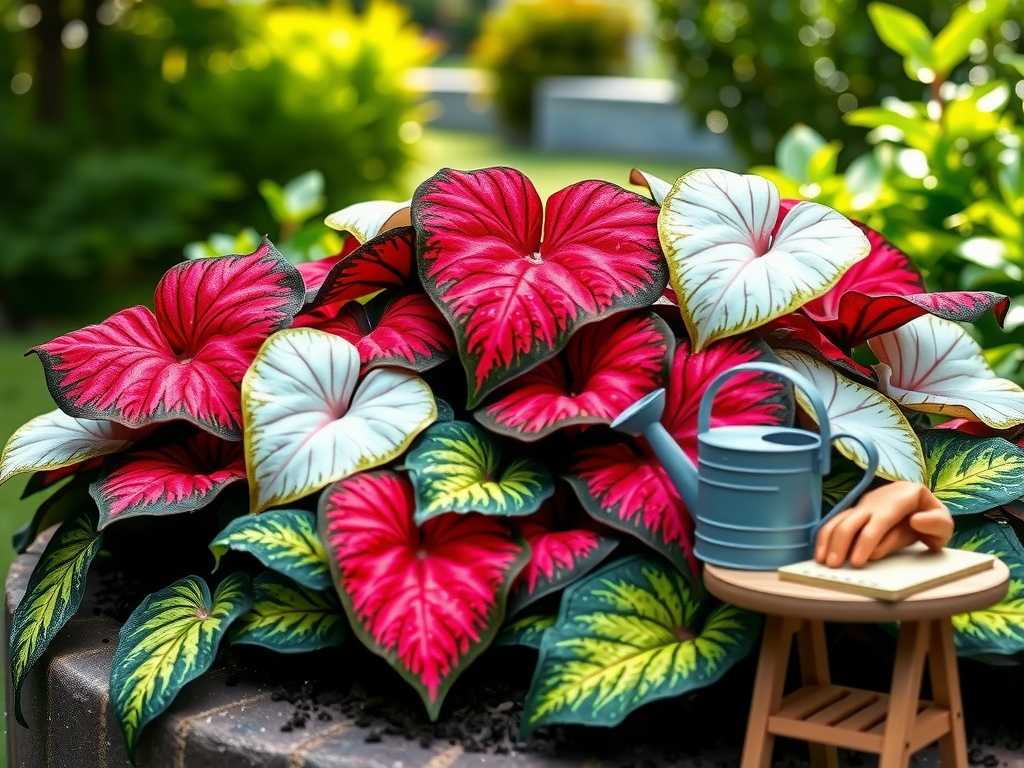
Weekly Watering: Finding the Perfect Balance
Watering is arguably the most critical and delicate part of caladium garden maintenance. They crave consistently moist soil but absolutely despise sitting in waterlogged conditions.
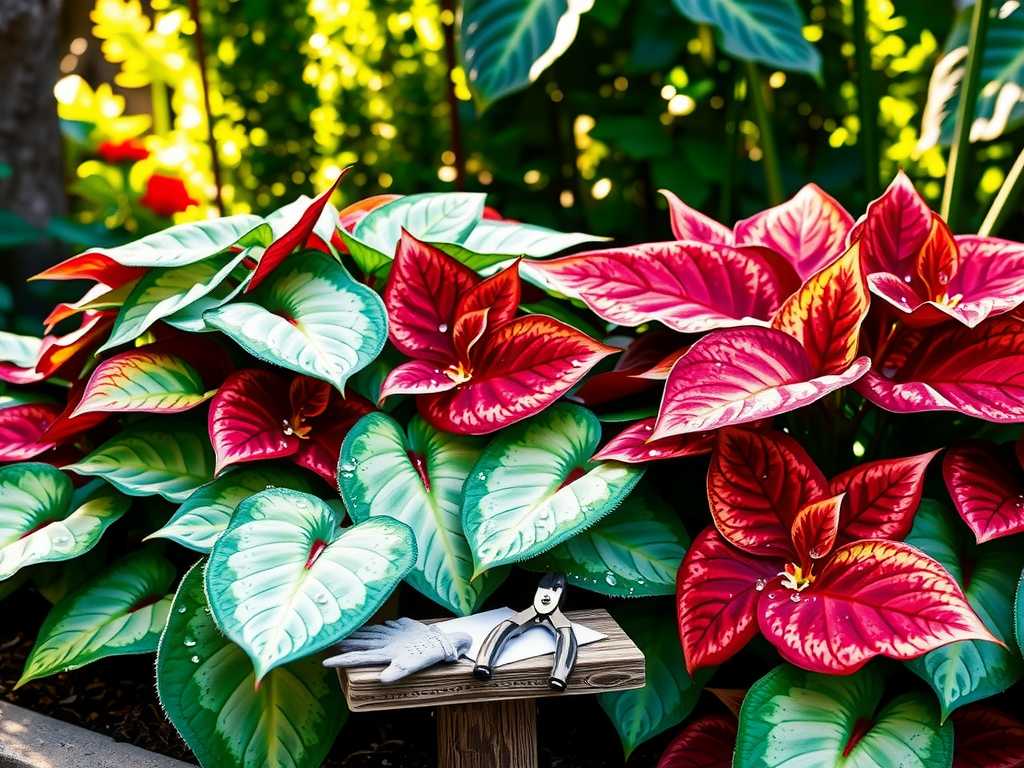
- The Finger Test is Your Best Tool: Every week, before you water, perform the simple finger test. Insert your finger about an inch into the soil. If it feels dry, it’s time to water thoroughly. If it still feels moist, check again in a day or two. Overwatering is a leading cause of tuber rot and fungal diseases.
- Deep, Thorough Watering: When you do water, aim to soak the soil evenly until water begins to drain freely from the bottom of the pot or into the ground. This encourages roots to grow deeper. Light, frequent sprinkling only moistens the surface and leads to weak root systems.
- Adjust for Weather: Your weekly schedule isn't set in stone. During a particularly hot, dry week, you may need to check soil moisture twice. In a cool, rainy week, you might skip watering entirely. The goal is consistent moisture, not a rigid calendar.
Weekly Foliage Inspection and Cleaning
Your weekly routine should include a close examination of the leaves. This is your opportunity for proactive weekly caladium care.
- Check for Pests: Look under leaves and along stems for signs of aphids, spider mites, or thrips. Early detection means you can often simply wipe them off with a damp cloth or use a mild insecticidal soap.
- Remove Spent Foliage: Gently pinch or snip off any yellowing or damaged leaves at the base of the stem. This directs the plant’s energy into producing new, healthy growth and prevents potential disease spread.
- Dust the Leaves: Use a soft, damp cloth to gently wipe the surface of large leaves. Dust can block sunlight, reducing the plant's ability to photosynthesize and dulling those vibrant colors.
Weekly Feeding During Active Growth
From spring through early fall, caladiums are actively producing foliage and benefit from regular nutrition.
- Fertilizer Choice: Use a balanced, water-soluble fertilizer (such as a 10-10-10 or 20-20-20 formula) or a fertilizer higher in phosphorus to support leaf development.
- The "Weekly-Weakly" Rule: A best practice, endorsed by many horticulturists, is to dilute the fertilizer to half or quarter strength and apply it weekly during your watering session. This provides a steady, gentle supply of nutrients without the risk of fertilizer burn that can come from stronger, monthly applications.
Optimizing Light and Environment Weekly
While light conditions may seem static, they change with the seasons. Your weekly check should include a quick environmental assessment.
Assessing Light Conditions
Caladiums prefer bright, indirect light. Direct afternoon sun will often scorch their thin leaves.
- Look for Signs: Each week, observe leaf color. Leaves that are fading or developing brown, crispy patches are likely getting too much sun. Stretching stems and smaller, less colorful leaves indicate too little light.
- Seasonal Adjustments: As the sun's angle changes, a spot that was perfect in spring might become too intense by midsummer. Be prepared to move potted caladiums or use a sheer curtain as a filter.
Monitoring Humidity Levels
As tropical plants, caladiums appreciate moderate to high humidity. Dry air can lead to brown leaf tips.
- Simple Weekly Boost: If your indoor air is dry, incorporate a simple humidity boost into your routine. Grouping plants together, placing pots on a pebble tray filled with water, or using a humidifier nearby can make a significant difference. Misting is less effective and can promote fungal spots if leaves stay wet.
Seasonal Adjustments to Your Weekly Routine
Your care for caladium plants must evolve with the calendar. The weekly tasks shift focus as the growing season progresses.
Spring: The Awakening and Planting Phase
In spring, as you plant tubers or welcome back stored plants, your weekly focus is on moisture and warmth to encourage sprouting. Be patient, as tubers can take several weeks to emerge.
Summer: Peak Growth and Vigilance
This is the season for diligent watering, feeding, and pest inspection. Heat can stress plants, so ensuring consistent soil moisture is paramount.
Fall: Preparing for Dormancy
As days shorten and temperatures drop, caladiums will naturally begin to slow down. Reduce and then stop fertilizing. Allow the plant to start dying back naturally. This process sends energy back to the tuber for next year’s growth.
Troubleshooting Common Weekly Issues
Even with great care, issues can arise. Your weekly inspection is the time to spot and address them.
- Yellowing Leaves: This can be natural aging, overwatering, or under-watering. Check your soil moisture first to diagnose.
- Leggy Growth or Small Leaves: Usually a sign of insufficient light. Try moving the plant to a brighter location with indirect light.
- Lack of Color: Too much direct sun can wash out colors, while too little light can reduce vibrancy. Adjust placement and ensure you are feeding regularly with a balanced fertilizer.
How often should I really water my caladiums? There is no universal "once a week" answer. Always use the finger test. The goal is consistently moist, but not soggy, soil. In hot weather, this may mean watering every 3-4 days; in cooler, humid weather, it might be every 10 days.
Can I keep my caladiums alive indoors year-round? While they can be grown as houseplants, they require a dormant period. To mimic their natural cycle, reduce watering in fall as leaves yellow, allow them to go dormant for 8-10 weeks in a cool, dark place, and then restart the tubers in fresh soil in spring.
Why are the edges of my caladium leaves turning brown? Brown edges are most commonly caused by low humidity or inconsistent watering (allowing the soil to dry out too much between waterings). It can also be a sign of fertilizer salt buildup—try leaching the soil with plain water every few months.
By dedicating a short time each week to these systematic steps—checking moisture, inspecting foliage, providing gentle nutrition, and assessing the environment—you build a strong foundation for a spectacular caladium garden. This consistent, attentive approach prevents most common problems and allows you to enjoy the full, vibrant potential of these living works of art from the first spring shoot to the last autumn leaf. The reward is a lush, colorful display that reflects the care you’ve invested, week after rewarding week.





