 bluename
 How to Refresh a Caladium Garden: Seasonal Update Guide
Is your caladium garden looking tired, with leaves fading and plants losing their vibrant punch as the seasons change? You’re not alone. Many gardeners find that the stunning, heart-shaped foliage that makes caladiums a summer showstopper begins to decline, leaving beds and containers looking lackluster. But here’s the good news: with a proactive seasonal refresh, you can maintain a breathtaking display of color from spring through fall and ensure your tubers thrive year after year. This guide will walk you through the essential steps to revitalize your caladium garden, aligning your care with their natural growth cycle for maximum impact.
Understanding the Caladium Growth Cycle
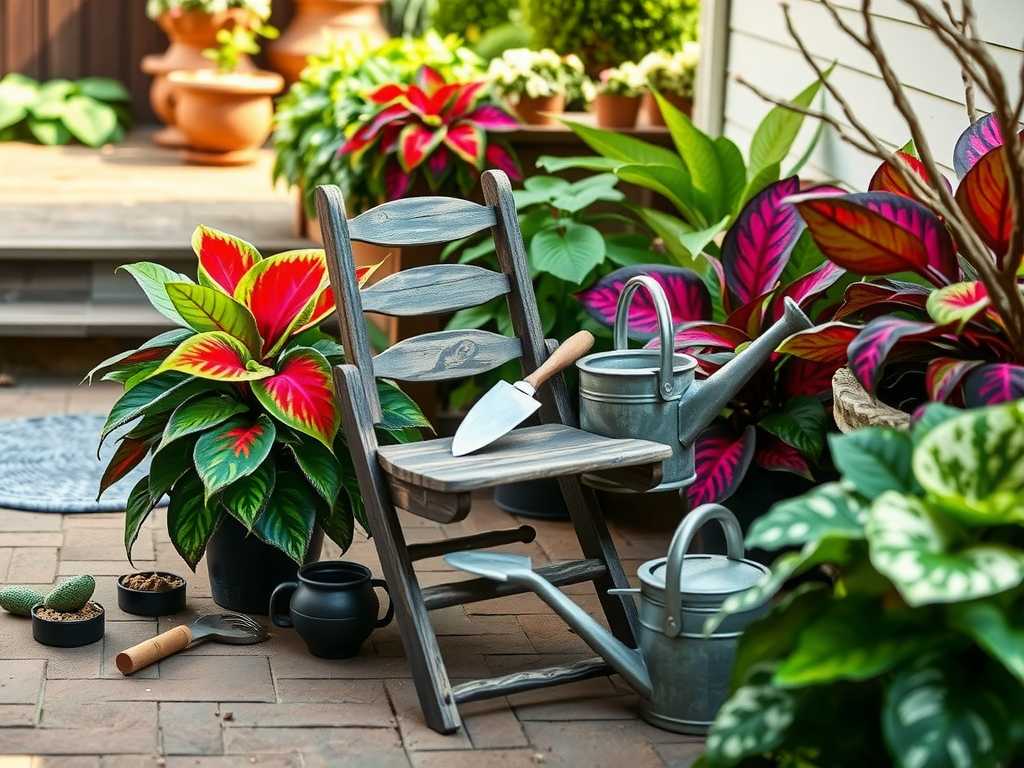
To effectively refresh your garden, you must first understand what your caladiums need at different times of the year. These tropical plants are grown from tubers and follow a distinct pattern of growth, peak performance, and dormancy.
- Spring (Awakening & Planting): As soil temperatures consistently reach 70°F (21°C), tubers wake from dormancy. This is the prime time for planting and encouraging strong, initial growth.
- Summer (Peak Display & Maintenance): Caladiums hit their stride, offering the most spectacular foliage. Your focus shifts to consistent care and addressing mid-season fatigue.
- Fall & Winter (Preparing for Dormancy): As temperatures drop and daylight wanes, plants naturally begin to decline. This critical period is for preparing tubers for dormancy, whether in-ground or through lifting and storage.
This seasonal rhythm is the blueprint for your refresh strategy. Working with it, not against it, is the key to success.
Your Spring Caladium Garden Refresh
Spring is all about a strong, healthy start. A proper refresh here sets the foundation for the entire season.
Selecting and Preparing Tubers Begin with high-quality, firm tubers. Look for those with several “eyes” or growth points. About a month before your last frost date, you can give them a head start by pre-sprouting indoors. Place tubers in a shallow tray with slightly moist peat moss or potting mix, keeping them warm (70-75°F) and in low light. Once you see small shoots, they’re ready for planting.
Revitalizing Garden Beds and Containers Soil preparation is non-negotiable. Caladiums demand excellent drainage. For garden beds, work in 3-4 inches of compost or well-rotted manure to improve texture and fertility. In containers, always use a fresh, high-quality potting mix. A slow-release, balanced fertilizer mixed into the soil at planting will provide steady nutrients. As horticulturist Dr. Linda Chalker-Scott emphasizes, “Soil structure is the foundation of plant health. Investing time in preparation reduces water stress and nutrient deficiency later.”
The Planting Process Plant tubers about 2 inches deep with the knobby side (the eyes) facing up. Space them 8-12 inches apart. Water thoroughly after planting to settle the soil. If a late cold snap threatens, be prepared to cover young plants with frost cloth.
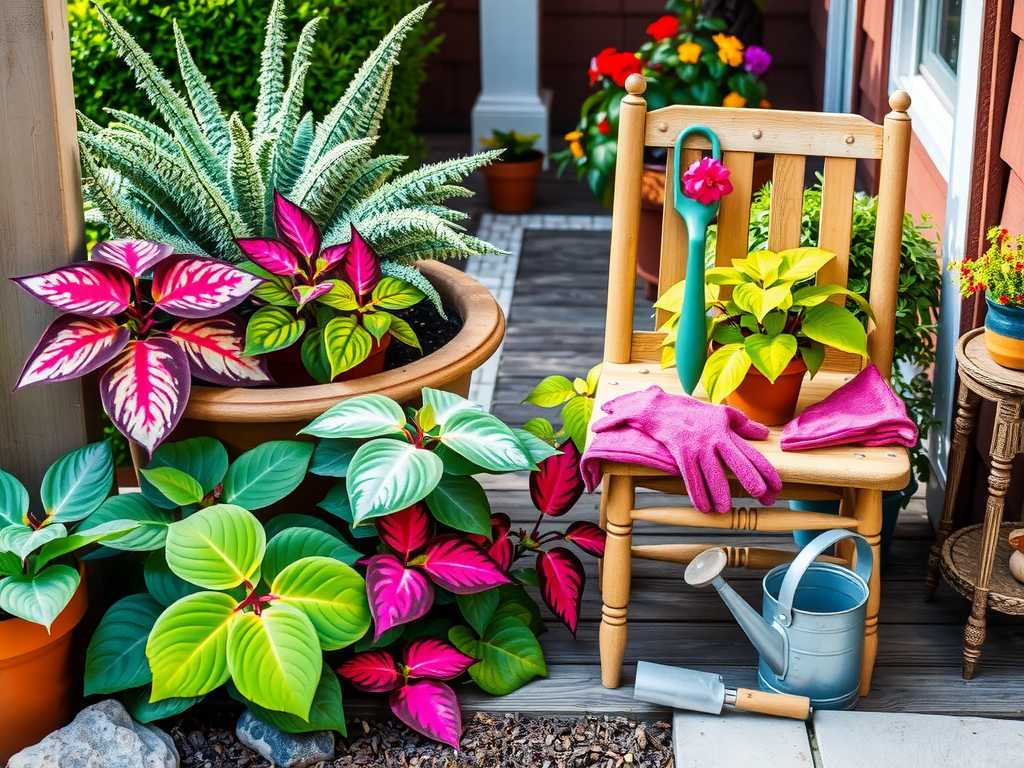
Revitalizing Your Caladiums in Summer
By midsummer, even well-planted caladiums can benefit from a refresh to combat heat stress and nutrient depletion.
Addressing Mid-Season Fatigue If leaves are smaller or colors are less vibrant, it’s likely a nutrient or water issue. Apply a water-soluble, balanced fertilizer every 4-6 weeks to give plants a boost. Consistent moisture is crucial; soil should be kept evenly moist but never soggy. Mulching with 2-3 inches of shredded bark or leaves helps retain soil moisture and keep roots cool.
Encouraging Continuous Foliage To promote a bushier plant with more leaves, you can carefully remove the central flower spike as it appears. This redirects the plant’s energy back into foliage production. Gently remove any yellowing or damaged leaves at the base to keep the plant looking tidy and prevent potential disease issues.
Managing Pests and Diseases Watch for common pests like aphids and spider mites. A strong spray of water or an application of insecticidal soap usually manages them. Ensure good air circulation and avoid overhead watering to prevent fungal diseases like leaf spot.
The Essential Fall and Winter Refresh
This is the most important seasonal update for long-term success. Your goal is to guide the plants into a healthy dormancy.
Knowing When to Start the Wind-Down Don’t be alarmed when leaves start to yellow in late fall. This is a natural signal that the plant is drawing energy back into the tuber. Cease fertilization at this time and gradually reduce watering.
To Lift or Not to Lift Tubers? In warm, frost-free climates (USDA zones 9+), tubers can be left in the ground with a thick, protective mulch layer. In cooler zones, lifting and storing caladium tubers for winter is the safest practice. After the first light frost, or when most leaves have yellowed, carefully dig up the tubers.
Step-by-Step Guide to Storing Tubers
- Gently Dig: Loosen the soil around the plant and lift the clump.
- Clean and Dry: Brush off excess soil. Do not wash. Let the tubers cure in a warm, dry, airy place for 1-2 weeks.
- Prepare for Storage: Trim away remaining foliage, leaving a small stub. Dusting tubers with a fungicide powder can prevent rot.
- Store Correctly: Place tubers in a box filled with slightly moist peat moss, vermiculite, or dry potting mix. Ensure they are not touching. Store the box in a dark location where temperatures stay consistently between 50-60°F (10-15°C). This process for overwintering caladium bulbs ensures they remain viable for replanting.
Advanced Tips for a Year-Round Display
For the dedicated enthusiast, consider staggering your caladium planting times every few weeks in spring. This creates a rolling display, so as some plants peak, others are just coming into their glory. Indoors, you can grow caladiums as houseplants in bright, indirect light with high humidity, though they will still require a dormant period.
Can I leave my caladium tubers in the ground over winter? Yes, but only if you live in a consistently warm climate (USDA zone 9 or higher) where soil does not freeze. Even then, a thick, insulating layer of mulch is recommended. In most regions, lifting and storing them is the reliable method to ensure their survival.
Why are my caladium leaves losing their bright color and becoming mostly green? This is often due to too much direct sunlight. While some newer varieties tolerate sun, most caladiums thrive in partial to full shade. Intense sun can wash out vibrant reds and pinks, prompting the plant to produce more green chlorophyll. Moving them to a shadier location can often restore color.
When is the absolute best time to plant caladium tubers in spring? Patience is key. Wait until both daytime and nighttime temperatures are reliably warm, and soil temperatures have reached at least 65°F, ideally 70°F. Planting in cold, wet soil is the most common cause of tuber rot and failure.
Refreshing your caladium garden is not a one-time task but a rewarding seasonal ritual. By tuning into their natural cycle—providing a nutrient-rich start in spring, supportive care in summer, and a protected rest in winter—you empower these tropical beauties to return with vigor season after season. Whether you’re reviving a shaded bed or a patio container, these steps ensure your garden remains a dynamic showcase of color and texture, proving that with the right guidance, a little seasonal effort yields spectacular, long-lasting results.





