 bluename
 How to Water Caladiums: Stop Overwatering in 3 Simple Steps
You have just planted a vibrant batch of Caladium bulbs, dreaming of those iconic, jewel-toned leaves. But within weeks, the edges turn brown, the stems flop over, and the beautiful colors fade. This nightmare scenario is almost always caused by one fatal mistake: too much water.
Learning how to water Caladiums correctly is the single most important skill for keeping these tropical beauties alive. Unlike many common garden plants, Caladiums have specific hydration needs that change depending on the season and their growth stage. Overwatering is the number one killer of these plants, leading to root rot and total crop loss.
This guide cuts through the confusion. We will break down the exact science of moisture control so you can avoid the common pitfalls of bulb rot in Caladiums and ensure your plants produce lush foliage all summer long.
The Golden Rule: Moist, Not Soggy
Before we dive into the steps, you must understand the biology of the plant. Caladiums grow from tubers (bulbs). These tubers act as water storage tanks, but they are also highly susceptible to fungal infections if they sit in stagnant water.
The goal is to mimic the forest floor of a tropical jungle: constantly damp but never waterlogged. When you are learning how to water Caladiums, think "consistency" rather than "volume." erratic watering schedules stress the plant, causing the lower leaves to drop prematurely.
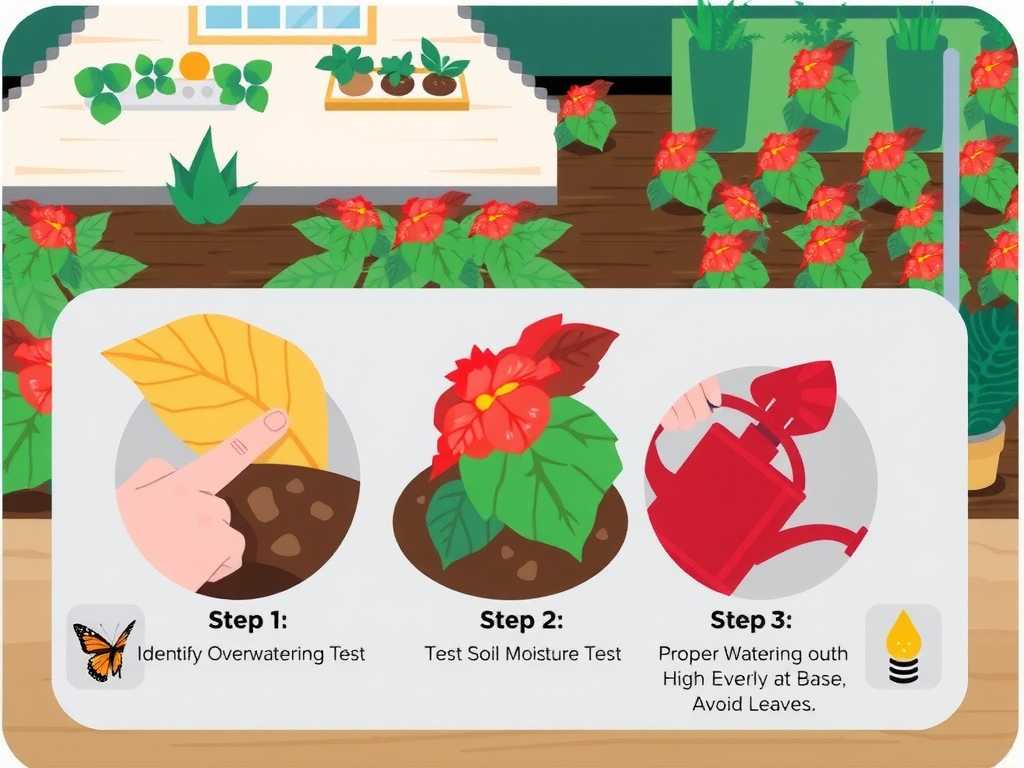
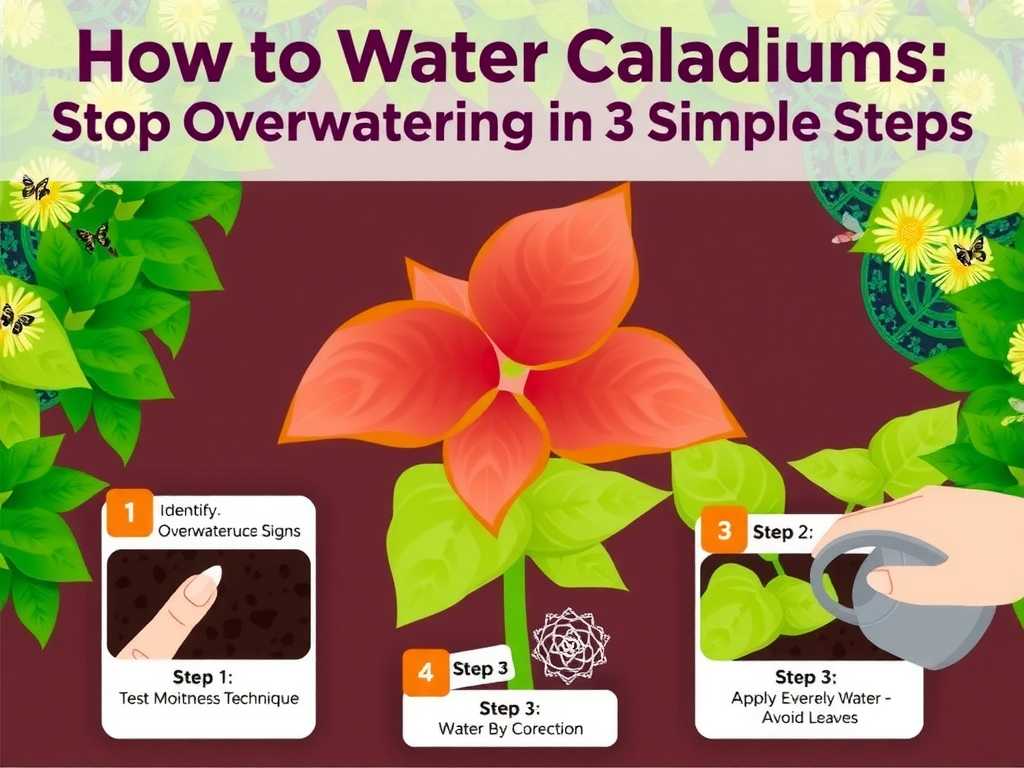
Step 1: Master the "Finger Test" and Soil Selection
The most reliable method to determine if your plant needs a drink is the finger test. Do not rely on a calendar schedule like "water every three days." Environmental factors like humidity, wind, and rain change daily.
Insert your index finger into the soil up to the second knuckle (about 1-2 inches deep). If the soil feels dry at that depth, it is time to water. If it feels cool and damp, wait another day. This simple check prevents 90% of watering Caladiums in pots mistakes.
The Importance of Drainage
Soil structure is just as important as timing. You cannot successfully water a Caladium in heavy clay soil that retains water like a bathtub. You must use a well-draining mix rich in organic matter.
For container gardening, ensure your pot has at least three large drainage holes. If you use a decorative cachepot (a pot with no holes), take the plant out to water it in the sink, let it drain completely, and then put it back. Never let the pot sit in a saucer of water for more than 30 minutes.
Step 2: Adjusting Watering Frequency by Growth Stage
Caladiums have a distinct life cycle, and their thirst changes dramatically during different phases. Ignoring these phases is a primary cause of signs of overwatering Caladium.
The Sprouting Phase (Early Spring)
When you first plant the bulb, do not soak it. The bulb has no roots yet to absorb the water, so excess moisture will simply rot the tuber. Keep the soil barely moist—think of a wrung-out sponge. Water only when the top inch of soil is completely dry.
The Peak Growth Phase (Summer)
Once the leaves unfurl and reach full size, the plant is actively photosynthesizing. This is when the plant drinks the most. During hot spells, you may need to water daily, especially for containers.
However, watch for yellow leaves on Caladium plants. If the bottom leaves turn yellow and the soil is wet, you are overwatering. If the leaves look wilted but the soil is dry, you are underwatering. Wilting is a tricky symptom because both extremes look the same; always check the soil moisture before adding more water.
The Dormancy Phase (Late Fall)
As temperatures drop and daylight decreases, Caladiums naturally die back. This is the critical window for Caladium bulb care. Stop watering entirely once the leaves turn yellow and fall off. The bulb needs to dry out to prepare for storage. Leaving it wet during dormancy guarantees the bulb will rot in the ground.
Step 3: Recognizing and Treating Root Rot Early
Even with careful watering, things can go wrong. High humidity combined with cool nights creates the perfect breeding ground for Pythium and Phytophthora, the fungi that cause root rot.
Early detection is your only defense. Look for black or mushy spots on the stems near the soil line. If you gently pull the plant and the roots slide off the bulb easily, leaving only a stringy mess, it is too late to save that specific plant. However, you can save the bulb if caught early.
Rescue Operation
If you suspect soggy soil symptoms, unpot the plant immediately. Cut away all mushy, brown tissue with a sterilized knife until you see healthy white or firm pink flesh. Dust the cut areas with fungicide powder. Repot in completely fresh, dry soil and do not water for a week to let the wounds callous over.
Environmental Factors: Humidity vs. Soil Moisture
Many gardeners confuse humidity with soil water. Caladiums are tropical natives that crave high humidity (50% or higher). Brown, crispy leaf tips are often a sign of dry air, not dry soil.
If you increase watering to fix crispy tips, you will cause root rot. Instead, use a humidifier, place the pots on a tray of pebbles with water (ensuring the pot sits above the water line), or mist the foliage in the morning.
Expert Tip: According to horticultural studies from the University of Florida, watering in the early morning (6 AM to 9 AM) allows the plant to uptake water before the heat of the day evaporates it. It also ensures the foliage dries before nightfall, reducing fungal spore germination.
Common Mistakes to Avoid
Watering from Above
Avoid getting water directly on the leaves, especially in the evening. Wet foliage + cool night temperatures = bacterial leaf spot. Always water the soil surface, not the crown of the plant.
Using Cold Water
Tap water straight from the hose can be a shock to the root system, especially in spring. Let the water sit out for a few hours to reach room temperature before applying.
Ignoring Pot Material
Terracotta pots breathe and dry out faster than plastic or glazed ceramic. If you move a Caladium from a plastic nursery pot to a ceramic decorative pot, you must adjust your schedule. The ceramic pot will stay wet longer, requiring less frequent irrigation.
Frequently Asked Questions
How often should I water my potted Caladium in winter?
If you are keeping the bulb dormant indoors during winter, you should water it very sparingly—perhaps once a month. The goal is just to keep the tuber from shriveling up completely. The soil should be kept on the dry side to prevent fungal issues while the plant is resting.
Can I save a Caladium with soft, mushy bulbs?
It is difficult but possible. Dig up the bulb, cut away all soft/rotten parts until you reach hard, healthy tissue, treat the wound with fungicide, and let it dry in the shade for 24 hours before replanting in dry soil. Do not water until new growth appears.
Why are the leaves drooping if the soil is wet?
Droopy leaves in wet soil indicate root suffocation. The roots are drowning and cannot transport nutrients or water to the stems. Stop watering immediately, improve drainage, and consider repotting with fresh soil if the condition persists.
Mastering how to water Caladiums is less about a rigid schedule and more about observing the plant and its environment. By using the finger test, respecting the growth cycles, and ensuring excellent drainage, you will stop overwatering in its tracks. Your reward will be a spectacular display of colorful, heart-shaped leaves that will be the envy of the neighborhood. Remember, it is always safer to underwater slightly than to drown these tropical gems.





