 bluename
 How to Grow Caladium Strawberry Star: The Ultimate Guide to Vibrant Foliage
Imagine walking into your garden and seeing a burst of candy-colored leaves that look like they were painted by an artist. That is the magic of the Caladium Strawberry Star. However, many gardeners struggle to keep these plants looking lush. They often face faded colors, droopy stems, or rot before the season ends.
Growing Caladium Strawberry Star isn't just about burying a bulb; it is about mastering light, water, and temperature. This guide focuses specifically on the Caladium Strawberry Star, providing expert-backed steps to ensure your plant thrives. We will cover everything from planting to overwintering, ensuring you get the most out of this stunning foliage plant.
What Makes Caladium Strawberry Star Unique?
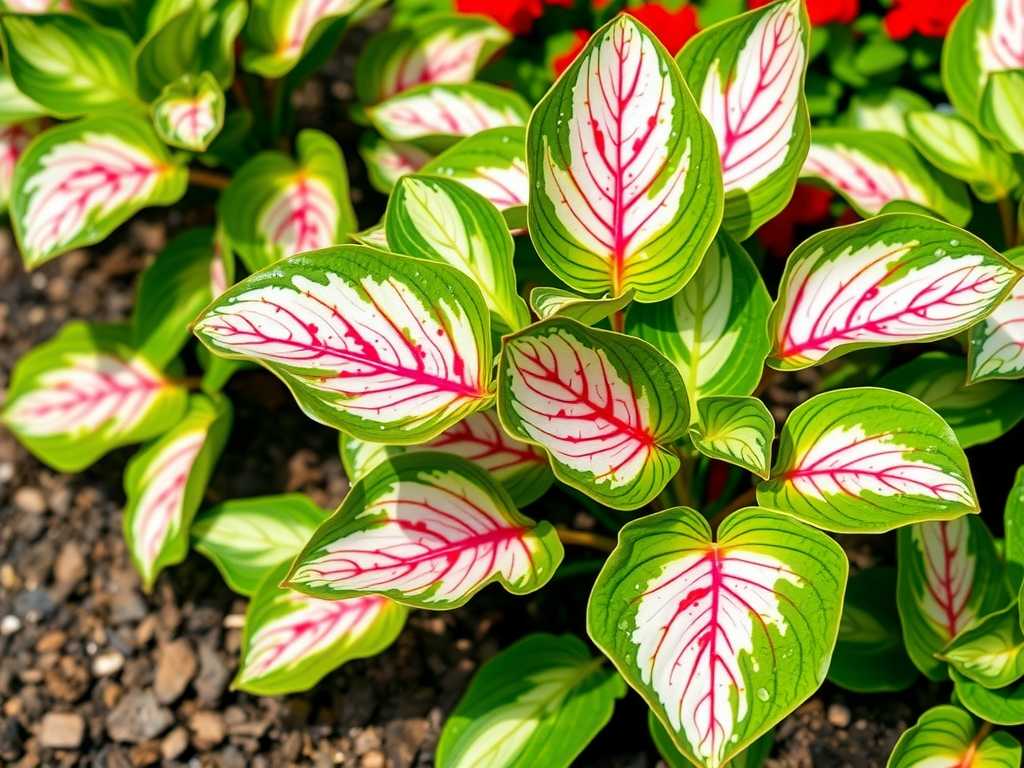
Before diving into care, it helps to understand why this cultivar stands out. Unlike standard green-and-white caladiums, the Strawberry Star variety offers a unique blend of pinks, reds, and creamy whites. It resembles an explosion of fireworks frozen in leaf form.
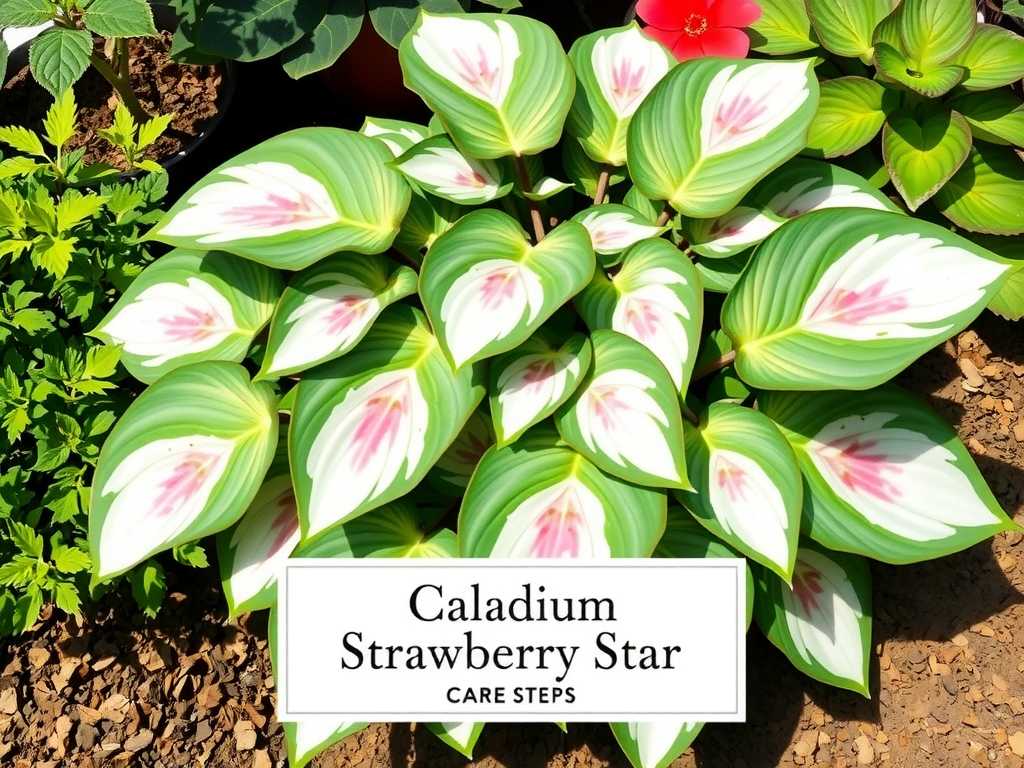
This plant is part of the Araceae family, often grouped with "Elephant Ears." However, it is distinct for its tolerance to sun compared to other fancy-leaved varieties. While most caladiums scorch in direct noon sun, Strawberry Star holds its color better, making it a versatile choice for borders or containers.
Planting Caladium Strawberry Star: Step-by-Step
Timing is Everything
Do not rush the planting process. These tropical bulbs hate cold soil. Wait until the soil temperature consistently reaches at least 65°F (18°C). In most USDA zones, this means late April or May. Planting too early results in stunted growth or bulb rot.
Choosing the Right Location
Where you place your plant dictates its success. For the best color, choose a spot with partial shade. While Caladium Strawberry Star can handle morning sun, harsh afternoon rays will bleach the vibrant pinks out of the leaves.
If you are growing in hotter climates (Zone 9+), deep shade is better to prevent leaf burn. In cooler zones, it can tolerate more sun. This adaptability makes it a favorite for growing caladiums in pots on patios, where you can move them easily.
Soil Preparation: The Foundation of Health
The best soil for Caladium is loose, well-draining, and rich in organic matter. Heavy clay soil traps water and kills bulbs. Mix in compost or peat moss to improve drainage. The ideal pH level should be between 5.5 and 6.5.
If your soil is heavy, consider building a raised bed. This ensures excess water flows away from the roots. For container gardening, use a high-quality potting mix specifically designed for aroid plants.
How to Plant the Bulb
Dig a hole about 2 inches deep.
Place the bulb with the "eyes" or bumpy side facing up. If you can't tell, plant it sideways; the plant will find its way up.
Space them out 8 to 12 inches apart. Crowding leads to poor air circulation and fungal diseases.
Cover gently and water thoroughly once to settle the soil.
Ongoing Care: Keeping the Foliage Vibrant
Watering Rules
Consistent moisture is key, but soggy soil is fatal. Caladium Strawberry Star needs moist soil, not wet soil. During the growing season, water when the top inch of soil feels dry to the touch.
Overwatering is the most common mistake. If leaves turn yellow and mushy at the edges, you are likely watering too much. In winter, when the plant goes dormant, stop watering entirely to prevent bulb rot in caladiums.
Fertilizing for Maximum Color
To maintain that "strawberry" pink, the plant needs energy. Use a slow-release fertilizer with a balanced N-P-K ratio (like 10-10-10) at planting time.
Once the shoots appear, feed the plant every 4-6 weeks with a liquid fertilizer. Avoid high-nitrogen fertilizers, as they promote green leaf growth at the expense of the pink variegation. Experts suggest using a fertilizer formulated for foliage plants to enhance the red pigments.
Humidity and Temperature
As a tropical plant, this caladium loves humidity. If you live in a dry climate, mist the leaves regularly or place a humidifier nearby. Brown, crispy leaf tips are a sign of low humidity.
The ideal temperature range is between 65°F and 85°F. If temperatures drop below 55°F, the plant will stop growing. Always check the local forecast before planting.
Common Problems and Solutions
Fading Colors
If your Caladium Strawberry Star looks too green, it is likely getting too much shade or too much nitrogen. Move it to a slightly sunnier spot or switch to a low-nitrogen feed.
Drooping Stems
Leggy or floppy stems often occur when plants stretch for light. This is called "legging." Pinch back the growing tips to encourage bushier growth. If the stems are weak, you may need to stake them, especially after heavy rain.
Pests to Watch For
Spider mites and aphids are the main culprits. You might see fine webbing or tiny bugs on the undersides of leaves. A strong blast of water usually knocks them off. For severe infestations, use insecticidal soap.
Overwintering: Saving Bulbs for Next Year
In zones 8 and below, you cannot leave bulbs in the ground. Overwintering Caladium bulbs is essential if you want to save money and keep your specific variety.
When to Dig Up
Wait until the leaves turn yellow and die back naturally. Do not cut green leaves, as the bulb is still storing energy. Usually, this happens in late September or early October.
Cleaning and Storing
Gently dig up the bulbs with a garden fork.
Brush off excess soil but do not wash them with water (wet bulbs rot).
Cut the dry stems off about an inch above the bulb.
Place them in a box filled with dry peat moss, vermiculite, or shredded paper.
Store in a cool, dark place (50-60°F). A basement or garage works well if it doesn't freeze.
Check on them once a month. If you see soft spots, remove the rotting parts and dust the bulb with fungicide.
Using Caladium Strawberry Star in Landscape Design
This plant is a showstopper in shaded areas where other flowers fail. Use it to line walkways or fill empty spots under trees. Because the Strawberry Star has a compact habit compared to giant elephant ears, it works beautifully in the middle of a flower bed.
For a dramatic effect, mass plant 10 or more bulbs together. This creates a "river of color" effect. It also pairs well with hostas or ferns, which share similar moisture and light requirements.
Is it Toxic?
Yes. Like all caladiums, Caladium Strawberry Star contains calcium oxalate crystals. It is toxic to cats, dogs, and humans if ingested. Keep it out of reach of pets and curious children. Wear gloves when handling the bulbs, as the sap can irritate sensitive skin.
Frequently Asked Questions
Why are the leaves on my Caladium Strawberry Star turning green?
This usually happens due to insufficient light. While the plant dislikes harsh sun, deep shade causes it to revert to green to maximize photosynthesis. Move it to a brighter spot with filtered light to restore the pink and red hues.
Can I grow Caladium Strawberry Star in full sun?
Generally, no. While it is more sun-tolerant than white varieties, full direct sun will scorch the leaves and fade the colors. It needs protection during the hottest part of the day, ideally between 2 PM and 4 PM.
How long does the Caladium Strawberry Star bloom?
Caladiums are grown for their foliage, not their flowers. The plant produces a spathe and spadix (similar to a peace lily), but it is not showy. Many gardeners cut the flower spike off to encourage the plant to focus energy on the colorful leaves, extending the display season from late spring to first frost.
Growing Caladium Strawberry Star is a rewarding project for any gardener looking to add a splash of tropical flair. By following these steps—choosing the right soil, managing light exposure, and proper overwintering—you can enjoy these vibrant "strawberry" leaves year after year. Remember, patience is key. Wait for warm soil, keep the soil moist but not soggy, and protect it from the harsh midday sun. With a little care, your garden will feature one of the most stunning foliage plants available.





