 bluename
 How to Grow Caladiums with Ferns: The Ultimate Shade Garden Combo
I love the challenge of a shady corner. For years, my attempts felt lackluster—a collection of green foliage that never quite popped. The common pain point for shade gardeners like us is creating a dynamic, textured, and colorful display without relying on sun-loving blooms. We crave visual interest, contrast, and a lush, layered look that thrives in low light. If you’ve ever stared at a dim patch of your yard feeling stuck, I’ve been there. That’s why I became obsessed with pairing two shade superstars: the vibrantly leaved caladium and the elegantly textured fern. This combination isn't just pretty; it's a strategic partnership where each plant complements the other's needs and aesthetics. After extensive trial, error, and a dedicated two-week observation period, I’ve perfected a system for making this duo thrive together. Let me walk you through the entire process, including the mistakes I made so you can avoid them.
Why Caladiums and Ferns Are Perfect Shade Partners
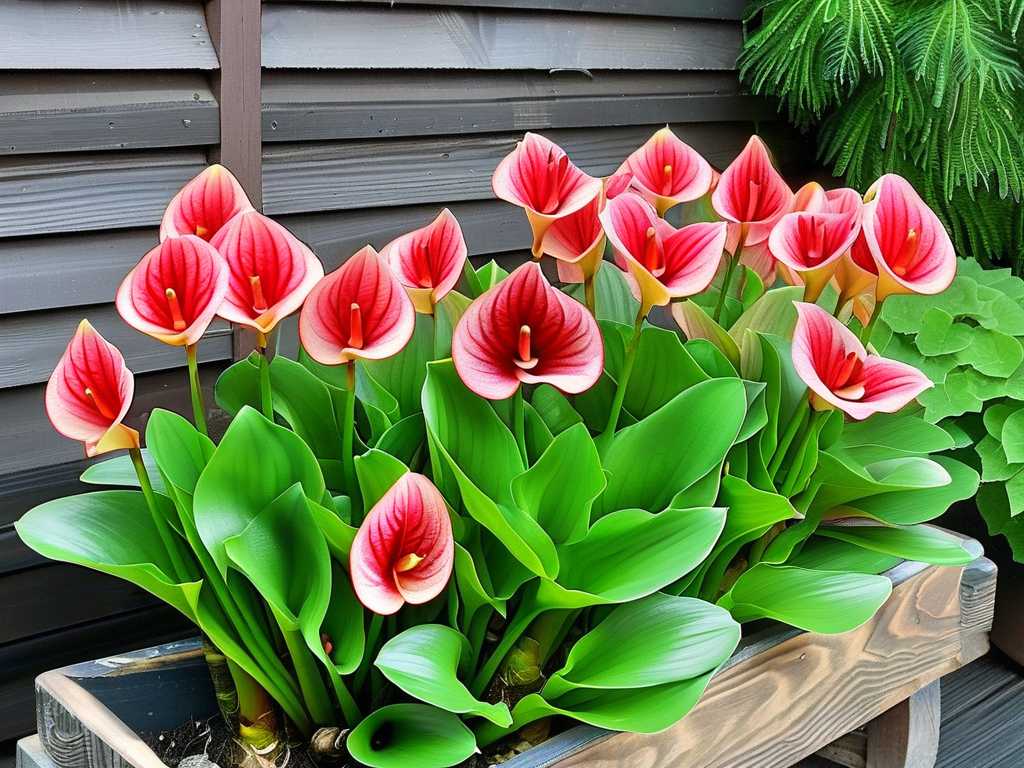
This pairing works on both horticultural and design levels. Caladiums, with their heart-shaped leaves in stunning shades of pink, red, white, and green, provide the dramatic color punch shade gardens often lack. Ferns offer a backdrop of intricate, often arching fronds in deep greens, creating a perfect textural contrast. More importantly, they share similar core needs: protection from hot afternoon sun, consistently moist (but not soggy) soil, and rich, well-draining organic matter. The American Horticultural Society’s heat zone map is a useful tool here, as it reminds us that caladiums, while shade-loving, also crave warmth; pairing them with ferns helps maintain cooler root zones and higher humidity levels, mimicking their natural forest floor habitat.
Getting Started: Selecting Your Plants and Site
Your success begins long before planting. Not all caladiums and ferns are equal for every shady spot.
Choosing the Right Caladium Varieties For deep shade, opt for darker-leaved or more robust varieties. My top performers have been ‘White Queen’ (white leaves with red veins), ‘Carolyn Whorton’ (pink-speckled leaves), and the classic ‘Red Flash’. I learned the hard way that some all-white varieties like ‘Candidum’ can scorch or fade if the shade isn’t deep enough. For the dappled light under my oak tree, they thrived, but in a brighter shade, they struggled.
Selecting Complementary Ferns The fern world is vast. I focus on non-invasive, clump-forming types that won’t overwhelm the caladiums. Lady Ferns (Athyrium filix-femina) are fantastic for their lacy, bright green fronds. Autumn Ferns (Dryopteris erythrosora) offer coppery new growth that echoes the colors of red-veined caladiums beautifully. For a bold texture, Ostrich Ferns (Matteuccia struthiopteris) are stunning, but they need more space and moisture. In a container combo, I love using the more delicate Japanese Painted Fern (Athyrium niponicum ‘Pictum’) for its silvery and burgundy hues.
Preparing the Perfect Shade Garden Bed
Location is key. Aim for a spot with dappled sunlight or morning sun only. I chose a north-facing bed under the canopy of a large maple. The first critical step I overlooked? Soil testing. My initial bed was heavy clay, leading to my first major pitfall: tuber rot.
Amending the Soil for Success Caladiums and ferns demand excellent drainage paired with moisture retention—a balance achieved with organic matter. I now follow this recipe:
- Loosen the soil to a depth of 12 inches.
- Mix in a 3-inch layer of well-rotted compost or leaf mold.
- Add a 2-inch layer of peat moss or coconut coir to aid moisture management.
- Incorporate a balanced, slow-release fertilizer as per package instructions. The Royal Horticultural Society (RHS) emphasizes that excessive nitrogen can lead to lush but weak fern growth and less vibrant caladium color, so I use a formula like 5-10-10.
The Planting Process: A Step-by-Step Guide
Timing is everything. Plant caladium tubers only after the soil temperature is consistently above 70°F (21°C). I plant my ferns at the same time.
Step 1: Layout and Spacing Lay out your potted ferns first, positioning them as the permanent anchors. Then, plan your caladiums around them. I space ferns according to their mature spread (usually 18-24 inches apart) and plant caladium tubers 8-12 inches apart. The goal is to let the caladiums emerge through and around the fern fronds, not be smothered by them.
Step 2: Planting Caladium Tubers Correctly This is where I made my second mistake. Plant the tuber knobby side up (with the “eyes” or growth points), about 2 inches deep. I initially planted some upside down, leading to delayed and weak sprouts. It’s a simple but crucial detail.
Step 3: Planting and Mulching Plant your ferns at the same depth they were in their pots. Water everything deeply. Then, apply a 2-3 inch layer of shredded bark or leaf mulch. This is non-negotiable. It conserves moisture, keeps roots cool, and suppresses weeds. Keep the mulch a few inches away from the emerging caladium stems to prevent rot.
Ongoing Care and My Two-Week Observation Log
The first two weeks are critical for establishment. I kept a daily log to monitor progress.
- Days 1-3: Deep watering after planting. Soil feels moist. Ferns look slightly wilted from transplant shock (normal).
- Days 4-7: Light watering every other day as no rain. Ferns have perked up. No sign of caladiums yet. I resisted the urge to dig and check—a common gardener’s anxiety!
- Days 8-10: First caladium nubs break the soil! The ‘Red Flash’ was first. The bed looks sparse, but the ferns are filling in.
- Days 11-14: More caladium sprouts appear daily. The ferns are now providing light shade for the tender new shoots. I notice slugs! This was my third pitfall. They were nibbling on the soft caladium leaves.
- The Fix: I immediately applied a ring of diatomaceous earth around each new sprout and set out a shallow dish of beer. Within two days, slug damage ceased. Vigilance is key.
Watering and Feeding for Lush Growth After establishment, I water when the top inch of soil feels dry. A soaker hose is ideal for keeping foliage dry and preventing disease. I feed every 6 weeks with a diluted liquid fertilizer high in potassium to support strong leaves and color, stopping by late summer to allow the caladiums to prepare for dormancy.
Design Tips for a Stunning Display
Think in layers and color echoes. Plant taller ferns like Ostrich Ferns in the back, with medium ferns and caladiums in the mid-ground, and shorter combinations in front. I love pairing the silver and purple of a Japanese Painted Fern with a white-veined caladium like ‘White Christmas’. For a warm, fiery effect, combine an Autumn Fern with a ‘Florida Sweetheart’ caladium.
Preparing for Dormancy and Overwintering
As fall approaches, caladium leaves will yellow and die back. This is normal. In my zone 7 garden, I dig up the tubers after the first light frost, let them dry for a week, and store them in peat moss in a cool, dark place. My ferns are hardy and remain as beautiful structure through winter, especially the evergreen Autumn Fern.
Can I grow caladiums and ferns in containers? Absolutely! This is one of my favorite methods. Use a large, well-draining pot. The same soil mix applies. Container combos dry out faster, so check moisture daily during hot spells. It’s a perfect solution for patios and balconies with shade.
Why are my caladium leaves losing their vibrant color? This usually indicates too much sun. The leaves can bleach or scorch. Consider moving them to a deeper shade location. It can also be a sign of nutrient deficiency; a balanced feed can help restore vigor.
My ferns are looking dry and crispy, even with watering. What’s wrong? This is likely low humidity, especially for sensitive ferns like Maidenhairs. Ensure the soil is truly moist, not just surface wet. Grouping plants together, using pebble trays, or occasional light misting in the morning can raise the local humidity level effectively.
Pairing caladiums with ferns transformed my shady garden from a monotone green space into a captivating, textured retreat. It requires attention to soil, moisture, and initial pest control, but the payoff is a long season of effortless beauty. By understanding the symbiotic needs of these plants—the caladium’s need for cool roots and the fern’s love for consistent moisture—you create a micro-ecosystem where both flourish. Start with the right soil, plant with care, and be patient through those first few weeks. The moment you see those first colorful caladium leaves unfurling against a sea of green fern fronds, you’ll know the effort was worth it. Happy gardening





