 bluename
 Let me save you the heartbreak right now. Caladium Strawberry Star in hanging baskets dies mostly from overwatering, not neglect. Seriously, 90% of indoor plants die from overwatering, and this pink beauty is no exception. I killed two baskets before I figured out the trailing steps that actually work. Here is the short answer: plant the tubers shallow, water only when the top inch is bone dry, and hang it where it gets bright but indirect light. That is it. That is the secret.
I remember unboxing my first Strawberry Star. Those translucent pink leaves with green splashes looked like watercolor art. I was terrified. I treated it like a diva. I misted it daily, watered it every other day, and put it in a gorgeous ceramic pot. Within three weeks, the leaves were mush. The tubers rotted. I was devastated. But I am stubborn. I bought three more tubers and started treating them like the tough aroids they actually are. Now I grow them in hanging baskets that spill over with those gorgeous, ethereal leaves. And I am here to walk you through the exact trailing steps that flipped my success rate from zero to nearly perfect.
Why Hanging Baskets? The Real Magic of Trailing Caladiums
Most people think caladiums are strictly for borders or patio pots. That is a mistake. When you grow Caladium Strawberry Star in a hanging basket, you unlock a completely different plant. The stems grow longer, the leaves face outward, and the whole thing cascades like a living chandelier. It is a showstopper near a bright window or on a shaded porch. The key is the trailing habit. You need to encourage those stems to lean over the rim. I found that the basket shape itself forces this behavior. The plant sends out leaves toward the light, and gravity does the rest.
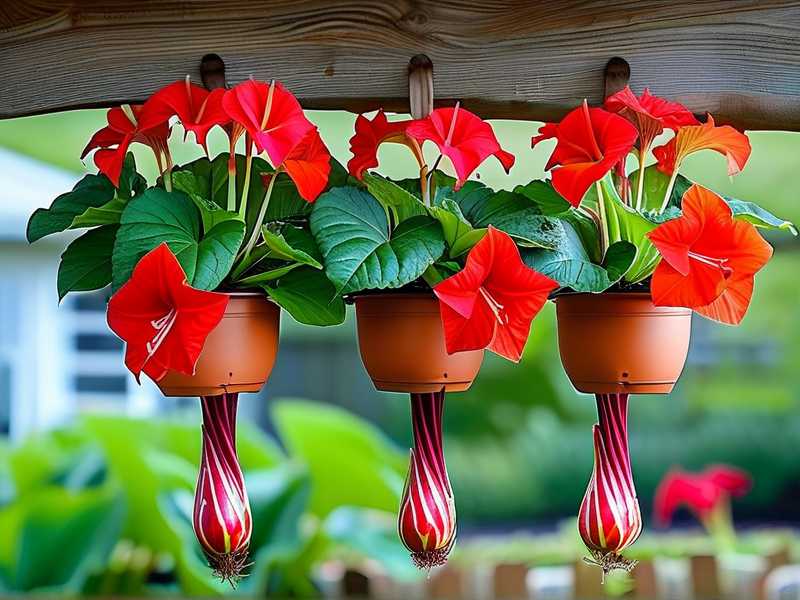
Before we dive into the gritty steps, let me clarify one thing. This is not a low-light plant. I tried that. I placed one in a dim hallway and it looked like a sad pile of wet napkins within a week. It needs warmth and brightness, but not direct scorching sun. The phrase "Strawberry Star" refers to the white and pink speckled pattern on the leaves. That pattern fades to green if the light is too low. So, let us get your environment right first.
Setting Up the Perfect Hanging Basket Environment
Light Requirements: The Goldilocks Zone
You want bright, indirect light for about 6 to 8 hours a day. An east-facing window is perfect. A north-facing window might be too dark. A south-facing window is too harsh unless you filter it with a sheer curtain. I have my baskets hanging about three feet away from a west-facing window. They get that warm afternoon glow, but the leaves never touch the glass. That proximity works wonders.
I learned this the hard way. My second attempt, I hung the basket right in a south-facing bay window. The leaves got crispy edges within four days. The pink spots bleached to a sickly white. The plant was screaming at me, and I did not listen. Once I moved it back, new leaves emerged with the correct coloration. So, start with the Goldilocks zone and adjust if you see scorching or fading.
Temperature and Humidity: The Tropical Vibe
These plants come from the understory of tropical forests. They hate cold drafts. They hate air conditioning vents blasting directly on them. Ideal temperature range is between 65°F and 85°F (18°C to 29°C). If your nights drop below 60°F, bring the basket inside. I keep mine indoors year-round because I live in a temperate zone, but I move them out to a covered porch in summer for fresh air. That porch has a translucent roof, so they get speckled light. They love it.
Humidity is a plus, but not a must. I run a small humidifier near my plant corner in winter. If you do not have one, group the basket with other plants. They create a microclimate together. Avoid misting the leaves constantly. This is a common trick that backfires. Wet leaves in stagnant air invite fungal spores. I stopped misting entirely and my fungal issues vanished.
Choosin the Right Basket and Potting Mix (Avoiding the Fatal Error)
The Pot Size and Type: Forget the Pretty Ceramic Pot
Here is where I messed up the very first time. I used a non-draining ceramic pot. It looked stunning. It killed my plant. You absolutely cannot use a container without drainage holes for caladiums in hanging baskets. The tubers will sit in water and rot. Period.
Choose a plastic or terracotta basket liner with multiple drainage holes. Plastic retains moisture slightly longer, which can be good if your air is dry. Terracotta wicks moisture away, which is safer if you tend to overwater. I currently use a 10-inch plastic hanging basket with deep drainage. That size holds two or three small tubers comfortably.
Also, consider the weight. Hanging baskets get heavy when wet. Use a strong hook rated for at least 20 pounds. I once used a cheap adhesive hook. It fell off the ceiling at 2 AM, and my plant crashed to the floor. The basket survived, but the stems snapped. Learn from my ceiling crash.
The Perfect Potting Mix Recipe
Do not use garden soil. It compacts and suffocates the roots. I use a mix that is airy and fast-draining. Standard perlite is my best friend. My homemade recipe is simple: two parts high-quality potting mix, one part perlite, and one part orchid bark. This combo retains enough moisture between waterings but never stays soggy.
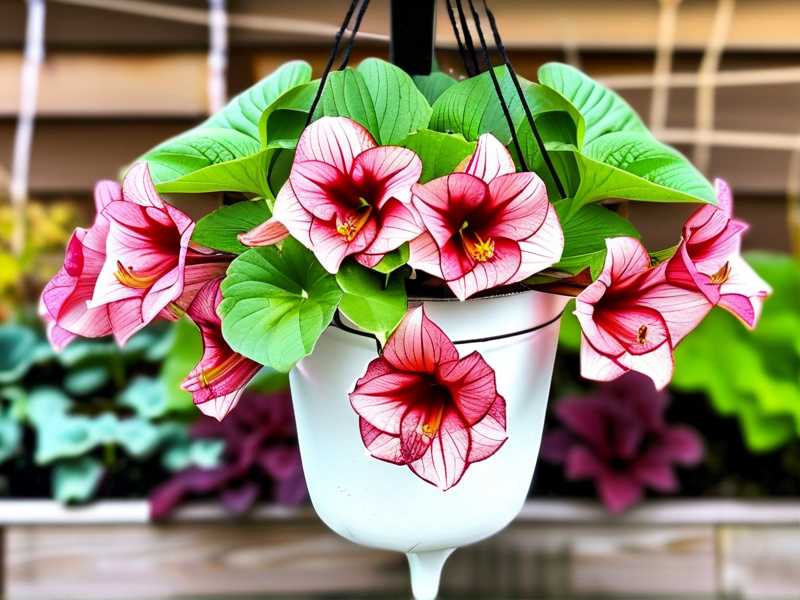
You want the mix to be fluffy. If you squeeze a handful, it should expand back out quickly. If it stays clumped, add more perlite. I also add a handful of worm castings mixed into the bottom layer. That gives a slow-release nutrient boost that supports leaf growth without burning the roots.
Planting the Tubers: The Exact Steps for Trailing Success
When to Plant and How Deep
Timing matters. Plant the tubers only when the danger of frost has passed, or indoors in early spring. The soil temperature should be above 65°F. I start mine indoors in March. This gives them a head start before I move them outside in May.
The depth is crucial. Caladium tubers are weird. The knobby side is the top. That is where the eyes are. Plant them with the knobby side up, about one to two inches deep. I used to plant them deeper, thinking it would anchor them better. That delays sprouting by weeks. Keep it shallow. Once you see the first leaf tips, they will emerge quickly.
Spacing and Orientation in the Basket
For a full look in a 10-inch basket, I plant two to three tubers. Space them about four inches apart, near the edges of the basket rather than the center. This promotes outward growth. That is the "trailing step" everyone misses. If you plant them all in the center, they grow upright and never spill over the rim.
Place the tubers at a slight angle, leaning them toward the basket edge. This signals the new stems to grow outward. It sounds odd, but I tried it after reading a tip from a professional grower in Florida (who grow caladiums commercially). The difference is obvious.
Watering: The Life and Death of Your Caladium
The Golden Rule: Check the Soil First
I cannot stress this enough. Do not water on a schedule. Do not water just because you watered yesterday. Touch the soil. Stick your finger an inch deep. If it is dry, water. If it is damp, walk away.
I water my hanging baskets about once every five to seven days, but that varies with your climate. When I do water, I do it thoroughly. I take the basket to the sink and run water through it until it drains freely from the bottom. Then I let it sit for ten minutes until it stops dripping. Hanging it back up immediately while it is dripping is messy. It also causes water to pool at the bottom of the basket liner, which leads to rot. So, water in the sink, wait, then hang.
How to Avoid the Overwatering Trap
Remember that statistic I quoted earlier? 90% of indoor plants die from overwatering. It is probably higher for caladiums in hanging baskets because we forget that they dry out slower in the shade of the basket itself. I lost one whole basket by giving it a tiny sip every day. I was so scared of under watering that I drowned it. The leaves turned yellow and translucent, and the stems collapsed at the base.
The solution is coarse grit. Adding more perlite to the mix solved my anxiety. It lets the water rush through instead of soaking into a sponge. The roots get oxygen between waterings. Also, always check the weight of the basket. I lift mine before I water. If it feels heavy, it has plenty of moisture. If it feels light, like a dry feather, then it is time. This physical cue is more reliable than any calendar.
Fertilizing and Feeding: Moderate is Key
Caladiums are not heavy feeders, but they do need nutrients to push out those big leaves. I use a balanced liquid fertilizer, like a 10-10-10, diluted to half strength. I feed them every two weeks during the growing season (spring through summer). I stop feeding entirely in autumn when the leaves start to die back naturally.
One mistake I made was fertilizing when the soil was dry. That scorched the roots. Always water first, then fertilize. Or mix the fertilizer into the water as you water. So, do not get fancy. A simple, regular feeding schedule during active growth is all you need. Over-fertilizing causes brown leaf tips and a buildup of salts in the soil.
The Trailing Step: Staking and Guiding the Stems
This is where the "Trailing Steps" in the title truly come in. Hanging baskets usually have a straight upright growth initially. You need to guide the stems to cascade over the side. I have a specific method that works reliably.
First, pin the new growth. When the stems are about six inches long, I gently bend them over the basket rim. I use soft plant ties or even paperclips bent into U-shapes to hold the stem near the basket edge. You have to be careful not to snap the stem. They are somewhat brittle at first. After a few days, the stem grows woody enough to hold its new position. Once it turns to face the light, it will start to cascade naturally.
Second, rotate the basket. This is something no one tells you. Turn the basket a quarter turn every three days. This prevents the plant from leaning all its weight toward the window. Rotating encourages the stems to grow over the rim on all sides, producing a full, hanging ball of foliage. I have a simple string loop on my hook that makes rotation easy.
Third, clip the upright leaves. If you see a leaf growing straight up from the center and it refuses to bend, do not force it. Just pinch it off with your fingers. This redirects energy to the side shoots. It feels counterintuitive to cut healthy leaves. But I did this and within two weeks, the side growth exploded. The basket filled out dramatically.
Maintenance and Pruning for a Long-Lasting Basket
Deadheading and Removing Spent Leaves
Caladiums will push out new leaves constantly. The older outer leaves will eventually yellow and wither. You must remove these promptly. If you leave them, they rot and invite bugs. I use sharp, clean scissors to snip the leaf stem at the soil line. Do not pull it out forcefully. Pulling can disturb the delicate tuber roots. Snip and let it dry out naturally or toss it.
Managing Pests on Hanging Baskets
Because hanging baskets are elevated, they are less prone to soil-dwelling pests. But spider mites love dry indoor air. I inspect the underside of the leaves weekly. If I see fine webbing or tiny speckles, I wipe the leaves with a damp cloth. If the infestation gets bad, I use a neem oil spray. I spray in the evening so the leaves do not get sunburned. I also quarantine the basket away from other plants for a week to stop the spread.
When to Stop Watering and Let it Dormancy
This is crucial for perennial growth. Caladium Strawberry Star will naturally die back in late autumn. The leaves will yellow and droop. This is not a failure. This is the tuber storing energy for next year.
Once the leaves have completely died, I stop watering entirely. I let the soil dry out fully. Then I remove the tubers from the basket. I gently shake off the soil and let them cure in a dry, warm place for a week. I store them in a paper bag with some peat moss. The bag goes in a spot that stays around 60°F, like a garage shelf. Do not refrigerate them. That shocks the tuber. After a two-month winter rest, I replant them in fresh mix in spring. This cycle has kept my Strawberry Star alive for three years now.
Common Problems and How I Solved Them
Yellow Leaves: The Watering Ambiguity
Yellow leaves mean one of two things: too much water or too little. I had to learn the difference. If the yellow leaves are mushy and the stem base is soft, it is overwatering. If the yellow leaves are crispy and the soil is pulling away from the pot sides, it is underwatering. I use a moisture meter now. It eliminates the guesswork. It is a cheap tool, but it saved my sanity.
Brown Leaf Tips: Environmental Stress
Brown tips are usually a sign of low humidity, or too much fertilizer. I had this happen when I fertilized too frequently. The solution was to flush the pot. I ran fresh water through the basket for five minutes to wash out excess salts. After that, the new leaves came in clean. If your humidity is low, a pebble tray with water beneath the basket helps. Just make sure the basket is not sitting in the water.
Noodle-Like Stems: Not Enough Light
This is a classic leggy growth. I had a basket in a dim corner and the stems stretched out, looking thin and pale. They could not support their own weight. Moving it to brighter light fixed the issue. The new growth came in thicker. The old, weak stems I pruned away. The plant looked much better after.
Tubers Rotting in the Middle of the Season
This happened when I got lazy and left the basket out in a heavy rainstorm. The basket filled with water and could not drain fast enough. The tubers sat in puddles. Within ten days, the leaves all flopped. I had to cut the basket open to inspect. The tubers were brown and mushy. They were gone. If you are in a rainy climate, bring the baskets under cover during heavy downpours. Do not let them be a rain catcher.
The Seven-Day Care Calendar for Newbies
Day one: Check soil moisture at a depth of one inch. If dry, water thoroughly in the sink. Rotate the basket a quarter turn. Day two: Inspect leaves for pests or yellowing. Remove any spent leaves. Day three: Do nothing but enjoy the view. Seriously, leave it alone. Day four: Check soil moisture again. If it still feels damp, wait another day. Day five: Check the underside of leaves for spider mites. Wipe down with a damp cloth if needed. Day six: Lightly inspect the stems for signs of rubbing or bending stress. Adjust ties if needed. Day seven: Water if dry, and feed if you are on a biweekly schedule.
This routine is not rocket science. It is just consistent observation. If you check your plant daily for just one minute, you will notice problems before they become disasters.
Realistic Expectations: What Your Basket Will Look Like
In the first two weeks after planting, you will see the tuber eyes swelling. Do not expect leaves yet. It is normal for it to take ten days to three weeks for the first shoot to emerge. Once it does, growth is fast. You will get a new leaf every few days in warm weather.
In week three to four, the basket starts looking fuller. In week six, the trailing stems begin to spill over the rim. This is gratifying. The mature leaves will be about four to six inches long. The colors are spectacular. The pink spots are the brightest in bright shade. Direct sun washes them out.
FAQ Section
Can I grow Caladium Strawberry Star indoors year-round in a hanging basket?
Yes, you can, as long as you provide bright indirect light and consistent warmth. I keep mine indoors in winter. They do not need dormancy if they continue to push new leaves. However, if you keep them actively growing all year, you may need to refresh the topsoil every six months.
How many tubers should I plant in one hanging basket for a full look?
For a 10-inch basket, I recommend two to three tubers. Planting more than three will cause them to compete for nutrients and the leaves will be smaller. Plant fewer, give them space, and you will get larger, more dramatic leaves.
Do I need to cut back the foliage every year?
Yes. Unless you live in a frost-free tropical zone, the leaves will die back naturally. You should let them die back completely before removing them. Cutting them early prevents the tuber from storing energy. I wait until the leaves pull away easily from the tuber, which is the plant's signal that dormancy is ready.
Final Thoughts from My Own Patio
Growing Caladium Strawberry Star in hanging baskets is not hard once you stop coddling it. Give it good drainage, bright shade, and a gentle hand with the watering can. It will reward you with trailing tendrils of pink-speckled art for months. I have killed plants for years, but this one finally clicked when I understood that it is a tuber, not a houseplant that requires constant attention. It stores its own resources. It wants to survive. It just needs you to stop interfering.
My current basket sits on my covered porch right now, casting waving dappled shadows on the floor as the breeze moves it. It is the slow-moving anchor of my container garden. I hope your basket brings you the same joy that mine has brought me. Now, go get your hands dirty and those tubers in the dirt. And for the love of all things green, do not water it today.





