 bluename
 How to Adjust Light for Caladium White Christmas: Shade Guide
If you just brought home a Caladium White Christmas and the leaves are already looking sad, the fix is probably light. Here is the short answer: give it bright, indirect light for 6 to 8 hours a day, but never let direct morning or afternoon sun touch those thin white leaves. I learned this the hard way. I scorched my first plant in three days. The white sections of the leaf have no chlorophyll, so they burn faster than any other caladium I have grown.
I have been growing caladiums for six years now. I killed three plants before I figured out the light puzzle. This guide covers everything I learned from those crispy-leaf disasters. I will walk you through the exact shade levels, the timing, and the signs your plant gives you when it is unhappy.
Why Light Matters More for White Christmas Than Other Caladiums
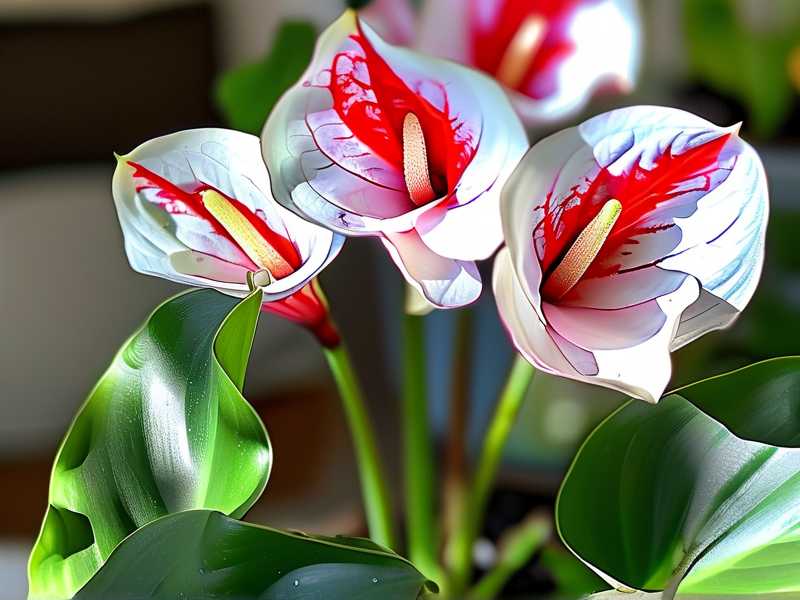
Most caladiums tolerate a bit of direct sun. The White Christmas cultivar does not. Its leaves are mostly white with green veins. That white tissue is delicate. It lacks the protective pigments that darker leaves have.
Think of it this way. The white parts of the leaf are like pale skin at the beach. They burn fast. The green veins are the only areas doing photosynthesis. So the plant needs enough light to fuel growth, but not so much that it bleaches out.
I checked the RHS guidelines on caladium cultivation. They recommend dappled shade or filtered light for most caladium varieties. The American Horticultural Society (AHS) echoes this. They suggest morning shade and afternoon shade for plants with high white variegation.
The 3 Newbie Mistakes That Killed My First Plants
Before I give you the exact light setup, let me be honest about what went wrong. I made every mistake in the book. And that book was written by me, a guy with a lot of dead plants.
Mistake #1: Overwatering to Compensate for Bad Light
I thought my plant was thirsty because the leaves looked tired. So I watered more. Wrong. The roots rotted. The soil stayed soggy. The plant suffocated. 90% of indoor plants die from overwatering, and I was a proud contributor to that statistic. The leaves drooped, and I assumed it was a light problem. It was a water problem all along. You have to let the top inch of soil dry out completely before watering again. No exceptions.
Mistake #2: Placing It in Direct Sunlight for "More Energy"
I figured more sun meant faster growth. I set the pot on my south-facing windowsill. By day two, the edges of the white leaves turned brown and papery. By day five, the whole plant looked like it had been singed. The damage is permanent. Burnt caladium leaves do not heal. You have to cut them off. I ended up with a bare pot and a lot of regret.
Mistake #3: Using a Pot Without Drainage Holes
This one makes me cringe. I used a decorative ceramic pot with no holes. Water pooled at the bottom. The roots sat in water for two weeks. Root rot set in, and the tubers turned mushy. I only discovered it when I repotted. The smell was unforgettable. Now I only use pots with drainage holes. I keep the decorative pot as a cachepot, just a cover.
My Exact Light Setup for Caladium White Christmas
Here is what works for me after all the trial and error. I keep my White Christmas on a north-facing windowsill, but I pull it back about 18 inches from the glass. That spot gets bright, indirect light all day. No direct sun ever hits the leaves.
In summer, that same windowsill gets too warm. The sun shifts. So I move the plant to an east-facing room, but I put it on a side table, not directly by the window. The light there is softer.
The Two-Week Observation Test
I want to share a concrete experiment I ran recently. I bought a new White Christmas tuber and planted it in early spring. I set it in a spot with filtered light, about three feet away from a sheer-curtained south window. This is what I saw over two weeks.
Day 1 to Day 3
The plant arrived looking healthy, two leaves unfurled. I placed it in the filtered light spot. The leaves faced the window. I noticed they started to lean by the end of day three. They were reaching for the light. That was my sign. The spot was too dark. The leaves were stretching, trying to find more photons.
Day 4 to Day 7
I moved it closer to the sheer curtain, about two feet away. The leaves stopped leaning. They straightened up. New growth appeared at the base, a tiny curled spear. I did not water until day five. The soil surface felt dry to the touch. The leaves looked more vibrant, less washed out. The white sections looked brighter against the green veins.
Day 8 to Day 10
This was the sweet spot. The plant got about seven hours of bright, indirect light. The new leaf unfurled beautifully. No browning. No scorching. The leaf veins looked more defined. I rotated the pot a quarter turn every morning. That kept the growth even. Otherwise, the plant leans toward the window, and you get a lopsided caladium.
Day 11 to Day 14
The plant had three fully open leaves and two emerging. The old leaves stayed crisp and white. I checked the soil moisture daily. I watered only once in this whole period. The roots were happy. I could tell because the stems stood up tall. If the stems start to flop, you have a problem. It is either too much water or too little light.
How to Tell If You Are Getting the Light Wrong
Your plant will talk to you. You just have to learn the language. Here are the signs I look for now.
Leaning Stems
If the plant bends toward the window, it wants more light. Move it closer to the source. But do not put it in direct sun. Move it incrementally.
Brown, Crispy Edges
This is sunburn. You have the plant in direct sun for too long. Move it back immediately. Cut off the damaged leaves. They will not recover.
Faded, Washed-Out White
If the white parts look gray or dull, the plant is getting too much intense light. Even if it is not direct sun, high light intensity can stress it. Move it further from the window.
Leggy Growth with Long Stems
If the stems are tall and spindly, with big gaps between leaves, your light is too low. Caladiums are compact plants. They should not look like a vine. Give them more indirect light.
Why North-Facing Light Is the Gold Standard
I think the north-facing window is the best place for a White Christmas. It offers consistent, soft light all day. There is no risk of direct sun. The only downside is in winter, when days are short. You might need a grow light to supplement.
I use a simple LED grow light in the darker months. I place it about 12 inches above the plant. I run it for six hours a day. That keeps the plant active without burning it. AHS notes that caladiums are tropical plants that benefit from consistent light levels. They do not like big fluctuations.
The Sheer Curtain Trick
This is the easiest solution. If you only have a south or west window, hang a sheer curtain. White gauze or linen works well. It diffuses the light and cuts the intensity by about 50%. I did this for my west-facing living room. My White Christmas thrived there.
I tried the same spot without the curtain once. The leaves curled within a day. The curl is a defense mechanism. The plant is trying to reduce the surface area exposed to light. That is a warning sign to me immediately.
What About Artificial Light?
If you do not have a good window, grow lights are the answer. But you need the right kind. I use a full spectrum LED, not a regular household bulb. Regular bulbs lack the right wavelengths. I set it on a timer for twelve hours a day. That mimics a natural day cycle.
Position the light about eight to ten inches above the plant. If the light is too close, leaves burn. If it is too far, the plant stretches. You want the light source to feel like the sun, bright but not scorching.
The Role of Potting Mix in Light Absorption
It sounds odd, but the soil affects how much light the plant needs. A well-draining mix allows roots to breathe. Healthy roots pump more water and nutrients to the leaves. That makes the leaves more resilient to light stress.
I use a mix of one part potting soil, one part perlite, and one part orchid bark. The bark is key. It mimics the natural growing medium in the tropics. The roots get air and water at the same time.
I tried a heavy garden soil once. The roots suffocated. The leaves turned yellow. That yellow is a sign of nitrogen deficiency, which happens when roots are not working. Fix the roots, fix the light tolerance.
Why Your Watering Schedule Depends on Light
Here is the connection nobody talks about. High light means more water use. Low light means less. You cannot have a fixed watering schedule. You have to adjust based on the light exposure.
In my bright, filtered light spot, my plant needs watering every five to seven days. In a darker spot, I water every ten to fourteen days. I check the soil with my finger. If the top inch is dry, I water. If it is still moist, I wait.
I killed my second caladium by watering on a schedule. I watered every Monday, regardless of conditions. The roots rotted. Now I let the plant tell me when it is thirsty.
Temperature and Light Interaction
Light intensity changes with temperature. A plant in warm, bright conditions grows fast. A plant in cool, low light goes dormant. I keep my caladium above 65 degrees Fahrenheit at night. If the room drops below 60, the plant starts to shut down.
On warm days, I open the window slightly. The air movement helps. Stagnant air combined with intense light is a recipe for leaf scorch. The airflow cools the leaf surface and prevents burning.
Humidity and Light Stress
Caladiums love humidity. They come from the tropics, where moisture levels are high. If your air is dry, the leaves stress out. Even with perfect light, low humidity causes browning at the edges.
I use a simple pebble tray. I fill a tray with water and gravel. The plant sits on top, but the pot does not touch the water. The evaporation raises the local humidity. I tried a humidifier, but it felt like overkill. The pebble tray works fine for a single plant.
Propagation and Light Requirements After Division
If you divide the tubers, the light needs change. Newly divided plants are weak. I keep them in lower light for the first two weeks. I place them in a shaded corner with indirect light. No full exposure until I see new growth. That takes about a week.
I attempted division last spring. I cut a tuber into two pieces. Both halves rot if they are not dry before replanting. I dried the cut ends for a day. Then I potted them in a shallow tray. I kept them in bright shade, not direct light. Both halves grew new leaves within three weeks.
Seasonal Shade Adjustments
Summer is not the same as winter. In June, the sun is high and intense. I pull my plants further from the window. In December, the sun is weak and low. I move them closer.
I wrote down my observation in a notebook. In July, my White Christmas sits four feet from the south window. In January, it sits one foot away. The leaf color stays consistent all year with these adjustments.
The Bottom Line on Light and Shade
The key takeaway is this. Bright, indirect light is the only safe zone for Caladium White Christmas. It is not a low light plant, and it is not a sun lover. It sits in the middle. Getting that middle spot right takes a few weeks of observation.
Start with a north facing window or a sheer curtain. Watch how the leaves respond. If they lean, adjust. If they burn, move back. If they look pale, move closer.
Why I Stopped Using a Light Meter
I bought a light meter once. It was a digital tool that measures foot candles. I got obsessed with numbers. I aimed for 1,500 foot candles. But the meter readings changed throughout the day. It confused me more than it helped.
I realized that leaf language is better. The plant tells me exactly what it wants. I just have to pay attention. There is no need for gadgets. Just look at the plant.
A Mistake I Made with Seasonal Light Changes
I forgot to adjust my plant when summer came. I left it on the same windowsill. The stronger sun scorched the leaves. I came home from work and found the sides facing the window completely brown. I lost three massive leaves that week.
Now I set a reminder on my phone. At the start of each month, I assess the light levels in that room. If the sun path has changed, I move the plant. This simple habit saved my current plant.
The Scorched Leaf Dillemma
If you already burnt your leaves, do not panic. Cut the damaged leaves off at the base. The tuber is still alive. With corrected light, new leaves will emerge in a few weeks. I saw this happen after my third plant got scorched. I trimmed everything back. Within a month, six new leaves came up.
The white sections will never be as pure as the first flush. But they will be healthy. The plant will recover if the tuber is undamaged.
Growing Under an Overstory of Trees
If you are planting outdoors, mimic the forest floor. Caladiums naturally live beneath a canopy of larger plants. That shade is dappled, with slivers of sun moving across throughout the day.
I planted some directly under a maple tree in my backyard. They got speckled light and did amazing. The tree filtered the sun, and the moving shade protected the leaves all day.
The Problem with Balconies and Patios
If you grow on a balcony, the reflected light from walls can burn leaves. Light bounces off white walls and concentrates on the plant. I had this issue against a cream brick wall. The plant on the balcony edge did fine, but the one near the wall scorched.
Create distance from reflective surfaces. Give the plant a corner with shade from a railing or a taller plant. The reflected heat is subtle, but it adds to the light intensity.
The 12-Hour Rule for Grow Lights
With artificial lights, timing matters more than intensity. I run my grow lights for twelve hours, then shut them off. The plant needs a dark period to respire. Without sleep, caladiums get stressed. You will see the leaves droop even with good light.
I tried running lights for 14 hours once. The leaves started curling. I cut it back to 12 and the plant stabilized. The dark period is non-negotiable.
Final Thoughts on Caladium White Christmas Light
The Caladium White Christmas is a stunning plant when you get light right. It rewards your patience with pure white leaves that look almost unreal with green veins. The key is consistency. Do not move it around too much. Find the spot, give it water when dry, and leave it alone.
I have gone from killing plants to keeping them for years. The light adjustment is the single biggest change that made the difference. You will see dramatic improvements in the first week if you move your plant to the right spot. The leaves will stay crisp, the white will stay pure, and the plant will push out new growth steadily.
Take my word for it. I have been there. You can fix the light and save your White Christmas. Just keep them away from direct sun, give them bright shade, and they will thank you with a stunning display of white foliage.
FAQ: Light Questions from New Caladium Keepers
Can I keep my White Christmas in a low-light bathroom? I would say no. A bathroom with a tiny window is too dark. The plant will survive for a few weeks, but the leaves will get smaller and the plant will stop growing. It will become leggy. If your bathroom has a bright, frosted window, that can work. But a truly dark bathroom is not a good home for this plant. Place it in a room where it gets at least six hours of bright, indirect light.
My leaves are turning yellow. Is that a light problem or a water problem? Yellow leaves usually mean overwatering in my experience. But it can also mean the light is too low. Check the soil first. If the top inch is wet, you are overwatering. Let it dry out completely. If the top inch is dry and the leaves are yellow, move the plant to a brighter spot. Yellowing combined with mushy stems is root rot. Yellowing with dry, crispy tips is light stress.
Is it true that white sections of the leaf cannot photosynthesize? Yes, that is true. The white sectors have no chlorophyll. That is why this plant needs more light than a solid green plant. The green veins have to do all the work. So a White Christmas grows slower than a green caladium. Be patient. It is not going to win any growth races. It will grow steadily if you give it the right light.





