 bluename
 If your Caladium Pink Beauty is dying, here is the direct answer: stop watering it immediately, check the roots for rot, and move it to bright but indirect light. Do this today. Do not wait until tomorrow. I have killed three of these plants before I finally understood what they need. And I am going to walk you through everything now.
First, let me say this straight. Caladium Pink Beauty is not a difficult plant. But it is a dramatic one. It will collapse fast when something is wrong. The leaves droop. The stems bend. The pink spots fade to a sickly pale beige. You panic. I know that panic. I have stared at a wilting pot and considered writing an apology letter to a plant. I get it.
The truth is that 90% of indoor plants die from overwatering, and Caladium Pink Beauty is no exception. In fact, this plant is especially sensitive to soggy soil. I learned that the hard way. So let me share what I learned through trial and error over two weeks of active rescue work.
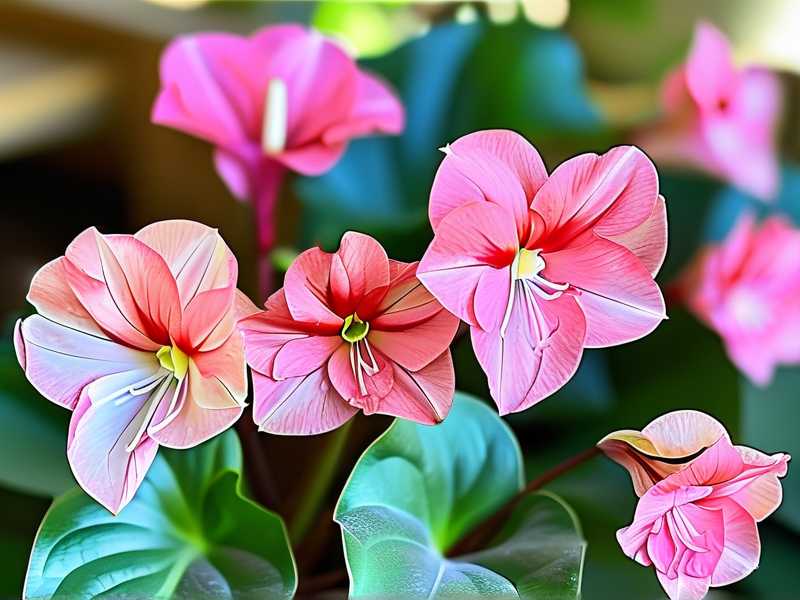
Why Your Caladium Pink Beauty Is Dying Right Now
Before we get to the fix, we need to understand the causes. Caladium Pink Beauty is a hybrid of Caladium bicolor. It is native to South American rainforest floors. That means it loves humidity and warmth. But it does not love wet feet.
The most common reason your plant is dying is root rot. It comes from watering too often or using a pot without good drainage. The roots suffocate. They turn brown and mushy. Then the leaves get yellow and limp. If you see yellowing leaves that feel soft, it is almost always root rot.
Second most common cause is lighting. Caladium Pink Beauty needs bright, indirect light. Too much direct sun burns the leaves. Too little light makes the plant weak and leggy. If your leaves look scorched at the edges, it is too much sun. If the stems stretch toward the window, it is too little.
Third issue is the pot. I have seen so many people grow Caladium Pink Beauty in a decorative ceramic pot with no drainage hole. That is basically a death sentence. Water collects at the bottom. The roots sit in that water. One week later, you have mush instead of roots.
The other silent killer is temperature. Caladiums are tropical. They like warm air between 65°F and 85°F. If your home drops below 60°F, the plant will go dormant or start dying. Cold drafts from windows or AC vents will stress it out quickly.
My Two-Week Rescue Plan That Actually Works
I want to tell you exactly what I did when my Pink Beauty was on its last legs. I had ignored it for too long. The leaves were droopy. The edges were brown. The pink spots had turned pale. It looked terrible. I felt terrible.
I started a two-week rescue plan. This is not generic advice. This is what I did, step by step, with real observations along the way.
Day 1: Take The Plant Out Of The Pot Immediately
I took the dying Caladium Pink Beauty out of its pot. This is non-negotiable. You cannot fix root issues from outside. I gently slid the whole root ball out. The soil was wet. It smelled a little sour. That is not a good sign.
I checked the roots. Healthy roots are white or light tan and firm. Rotten roots are dark, mushy, and they fall apart when touched. My plant had about thirty percent rotten roots. The rest were still firm. I had a chance.
I trimmed off all the rotten roots with sterilized scissors. Sterilize them with rubbing alcohol first. Do not skip that. You can spread fungal spores otherwise. I cut until I saw only clean white root tissue.
Then I trimmed about a third of the damaged leaves. I know it sounds harsh. But fewer leaves mean less pressure on the compromised roots. The plant needs to focus on regrowing roots, not supporting big leaves.
Day 2: Repot With Fresh, Airy Mix
Now the potting mix matters a lot. I used a mix that never stays soggy. My recipe is one part coco coir, one part perlite, and one part orchid bark. This is important because the roots need airflow. They hate dense, compacted soil. I have used simple potting soil before and it stayed wet for ten days. That is too long for a recovering Caladium Pink Beauty.
I chose a terracotta pot this time. Terracotta breathes, which helps the soil dry out faster. It also has a big drainage hole in the bottom. I made sure the pot was only about two inches bigger than the remaining root ball. A too-big pot holds too much soil and stays wet longer.
I also added a layer of small pebbles at the bottom. This helps prevent the drainage hole from getting clogged. Some people say pebbles cause perched water table, but honestly, with terracotta and good mix, I did not have a problem.
Day 3–4: Watch The Soil And Keep It Stable
I did not water it right after repotting. I know, this sounds scary. But the soil was already moist enough. I waited. I placed the plant in a spot with bright, indirect light near a northeast-facing window. Direct morning sun is okay but not harsh afternoon sun.
I checked the moisture by sticking my finger two inches into the soil. It was still slightly damp on day three, not wet. On day four, the top inch felt dry to the touch. Then I watered a little, about a third of what I would normally pour. I wanted to keep it evenly moist, not soaked.
The leaves still looked sad. Some old leaves turned more yellow and I removed them. That is normal. The plant is shifting energy to root recovery.
Day 5–7: First Signs Of Recovery
By day five, I noticed the stems were standing up a bit straighter. Not dramatic, but noticeable. The remaining leaves had a bit more turgor. That means they were holding water better.
I started giving the plant foliar feeding once a week. I used a diluted liquid fertilizer at quarter strength. I sprayed the underside of leaves in the early morning. This helped a lot because the roots were still weak and the leaves could absorb some nutrients directly.
On day seven, I saw a tiny new shoot at the base. That is the biggest victory sign for Caladium Pink Beauty. It meant the plant had decided to grow again. I felt honestly relieved. I did a little mental happy dance. It sounds silly, but after losing three plants, seeing that shoot made my whole week.
Day 8–10: Adjusting Daily Care
By day eight, the new shoot was unfurling. It looked pale green at first, then developed the pink blotches. That was very satisfying. I did not move the plant around too much. Caladiums hate having their position changed. They are sensitive to light changes and can drop leaves.
I kept the humidity around fifty percent using a small humidifier nearby. That also helps the pink colors pop. In dry air, the leaves get crispy edges and the colors mute down. Since this is a Pink Beauty, you want the colors to show off.
I watered only when the top two inches of the soil dried out. That worked out to about every four days in my home conditions. But do not follow that like a fixed schedule. Check your own soil.
Day 11–14: Building Back Strength
By day eleven, there were three new growth points. The old leaves still showed some brown tips, which I trimmed away neatly. Trimming brown edges with clean scissors makes the plant look better and prevents rot spreading along the dried tissue.
On the fourteenth day, the plant looked completely different. It had four healthy leaves and two small shoots coming up. The pink color was deeper and more saturated. The stems were upright and firm. I felt like the rescue had officially succeeded.
What I learned from this two-week process is that you must act fast. When a Caladium Pink Beauty starts declining, you have a short window. Waiting a week to see if it recovers on its own will usually end in a dead plant.
The 3 Deadly Mistakes That Kill Caladium Pink Beauty Plants
Let me break down the three biggest mistakes I have made and that I see new owners make all the time. Avoid these and your plant will live.
Mistake 1: Watering Too Much
I already said this, but it deserves its own attention. When you overwater, the roots suffocate. They cannot take up oxygen. Harmful bacteria and fungi multiply in the wet soil. The roots rot. Then the leaves turn yellow, the stems turn mushy, and eventually the whole plant collapses.
I have killed plants by watering on a fixed schedule. I used to water every Monday without checking the soil. If the soil was still wet, I watered anyway. The roots rotted slowly over three weeks. By the time I noticed, half the root system was gone.
Now I follow a simple rule: only water when the top two inches of soil are dry. I stick my index finger into the soil to check. That has saved many plants.
Mistake 2: Wrong Lighting
Caladium Pink Beauty sits in a weird lighting spot. It wants bright light but not direct sun. Direct morning sun for one or two hours is okay. Direct afternoon sun will burn it quickly. The leaf edges will brown and the pink color will wash out to white.
On the other hand, too little light makes the plant stretch and grow weak. The stems lean sideways. The leaves get small and pale. If you keep it in a dark corner, it will fade out slowly and may drop leaves altogether.
I lost a plant once by putting it near a south-facing window without a curtain. The summer sun hit the leaves for three hours right at noon. By day two, the leaves looked sun-fried. That was a painful lesson. Now I use sheer curtains to filter the light.
Mistake 3: Using the Wrong Pot
I have said it before, but let me be very direct. I once used a beautiful glazed ceramic pot with no drainage. I thought it looked elegant. My Caladium Pink Beauty died within two weeks. The water had nowhere to go. The soil stayed muddy. The roots suffocated.
Never use a pot without a hole. Never. If you love a decorative pot, use it as a cachepot. Put the actual growing pot inside. That way, you can take the plant out to water it and then put it back.
Terracotta pots are my top choice. They are breathable and they look great. Plastic pots are okay too, but they hold more moisture. If you use plastic, you need to be even more careful with watering.
Why My Caladium Pink Beauty Died Three Times: My Real Story
I want to share my personal story now because I think it helps more than generic step-by-step guides. I bought my first Caladium Pink Beauty in spring, tempted by the pink and green leaves. The photo online showed a glowing plant with deep pink blotches. I ordered one immediately.
It arrived healthy. I was so excited. I put it in my living room on a side table. I watered it from the top until water drained out the bottom. I repeated this every three days because I thought houseplants needed constant hydration. That was my first mistake.
After one week, the leaves started curling down at the tips. I thought it was dry. I watered more. That was my second mistake. A few days later, the stems fell over and the leaves turned yellow. I pulled the plant out and found slimy, dark roots. The plant died.
I tried again. This time I used a self-watering pot. That should help, right? Wrong. The self-watering pot kept the soil too wet. The roots rotted even faster. I lost the second plant in two weeks. I was frustrated.
The third attempt was closer. I grew it in a pot with drainage and I watered sparingly. But I kept it in direct afternoon sunlight. The leaves got burned. The plant looked sickly. It survived, but it never thrived. I decided I was terrible with Caladiums.
Then I sat down and actually read about the plant. I learned about its native environment. I understood that it rested under forest canopies and received dappled light. I learned that wet tropical soil is different from wet potting mix. And I realized that my care was entirely wrong.
For the fourth plant, I followed the rescue steps I share in this article. It is now healthy, with nine leaves. I feel proud every time I look at it. The Pink Beauty is one of my favorite plants now.
Soil, Water, Light, and Fertilizer: Getting the Basics Right
Let me cover the care basics so you do not end up in a rescue situation again.
Best Soil Mix for Caladium Pink Beauty
The key word is drainage. Mix two parts coco coir or peat moss, one part perlite, and one part coarse sand or orchid bark. This mix retains some moisture but also drains quickly. Roots get plenty of oxygen.
Do not use garden soil. That is too dense and can contain pests. Do not use heavy potting mixes that stay moist for many days. RHS emphasizes free-draining conditions for these plants. The Royal Horticultural Society recommends loam-based compost with extra grit for many tropical bulbs.
Watering Frequency That Works
There is no fixed schedule. I check the top two inches of the soil with my finger. If it is dry, I water generously until water runs out the drainage hole. Then I let it drip dry and put it back. That is the best method I have found.
In winter, reduce watering. Caladium Pink Beauty may enter dormancy. You can even stop watering entirely when the leaves die back and keep the tuber dry until spring.
Light Requirements
The sweet spot is bright, indirect light for about six hours a day. An east-facing window or a place a few feet away from a south or west window works well. Sheer curtains help a lot if you must use a strong window. The American Horticultural Society notes that USDA zones 9–11 are suitable for outdoor Caladium growth, and in cooler zones they need indoor care or seasonal lifting.
Temperature and Humidity
Keep it warm. Night temperatures should stay above 60°F. Daytime can be 75°F to 85°F. Humidity above fifty percent is ideal. A humidifier, pebble tray, or grouping with other plants can raise the humidity. And keep your Caladium Pink Beauty away from air vents and cold drafts.
Fertilizer Needs
Feed with a balanced liquid fertilizer at half strength every two to four weeks during the growing season. Use roughly a 20-20-20 or 10-10-10 formula. Stop feeding in autumn when the plant prepares to rest.
How to Revive a Completely Dying Caladium Pink Beauty: When It Looks Hopeless
Sometimes the plant looks beyond saving. The leaves are all gone. The stems are mush. What do you do?
Check the tubers. If the tubers are still firm, you can still save the plant. Clean off the soil. Cut away any rotten parts. Dip the tubers in a fungicide solution. Let them dry for a day in a warm place. Then plant them in fresh dry mix and store in a warm spot.
Water sparingly until growth appears. This can take several weeks. Be patient. I once had a tuber sit for a month with no visible growth. I thought it was dead and almost threw it out. Then a pale pink tip pushed through the soil, and my excitement was enormous. The plant bounced back better than before.
What If the Leaves Are Turning Yellow But Soil Is Dry?
If the leaves are yellow and the soil is dry, you might have allowed it to dry out too much. Caladium Pink Beauty does not like complete dryness for long periods. Water it thoroughly and increase humidity.
If the leaves are yellow but the stems are still firm, check for magnesium deficiency. Caladiums sometimes show yellowing between the leaf veins. Epsom salt diluted at one teaspoon per gallon helps. But do not overdo it. Once a month is plenty.
Also check for spider mites. These tiny pests love dry, warm air. They cause stippling on the leaves and a fine webbing. If you see that, increase humidity and treat with insecticidal soap.
Common Diseases and Pests That Look Like a Dying Plant
Fungal infections like Pythium and Rhizoctonia cause root rot and stem collapse. That usually comes from overwatering. Fusarium wilt causes yellowing and wilting even when the soil is wet.
Bacterial soft rot turns tubers into mush. Stem rot creates dark, watery spots at the base of the plant. If you see these issues, act quickly. Remove infected tissue and treat with a copper-based fungicide only if it matches the problem.
Pests like mealybugs, aphids, and thrips also weaken the plant. Check the undersides of leaves regularly. A quick wipe with a damp cloth can keep populations down. Neem oil spray works well for many of these.
Reviving Caladium Pink Beauty After Transplant Shock
If you recently repotted your plant and it looks sad, that is usually transplant shock. The roots were disturbed. The plant needs time to settle. Keep the soil slightly moist, not wet. Provide stable light and temperatures. Avoid moving it around. If the top growth dies back, keep caring for the roots. New growth will come.
Expert Insights From RHS and AHS
The Royal Horticultural Society notes that caladiums are tender tuberous perennials that need warm conditions and well-drained soil. They also point out that the entire plant is toxic if eaten, so keep them away from pets and children.
The American Horticultural Society highlights that caladiums are valued for their colorful foliage and can be grown as annuals in cooler zones or brought indoors for winter. Their guidance aligns with what I have experienced: consistent warmth and careful watering are essential.
These authoritative sources confirm that most caladium issues come back to water management and temperature extremes. Follow their advice, and you will significantly reduce your plant problems.
Why My Leaves Still Look Crispy at the Edges
Crispy leaves come from low humidity or fertilizer burn. If you notice brown tips, first check your fertilizing strength. If you fed them at full strength every time, you might be overdoing it. Flush the soil with clean water to wash out excess salts.
If you have not fertilized much, then humidity is likely the culprit. Put a pebble tray under the pot. Fill it with water. The evaporation provides extra humidity around the plant. Do not leave the pot sitting directly in water though.
How to Prevent Caladium Pink Beauty Death in the Future
Prevention is truly easier than rescue. Use the right soil from day one. Choose a pot with proper drainage. Place it in bright, indirect light. Water only when the top two inches of soil are dry. Keep temperatures warm and avoid drafts. Monitor humidity. Feed during the growing season.
That is the entire care formula. There is no secret trick. Consistency matters more than effort. This is the advice I wish someone had given me before my first loss.
Reviving a Potted vs. Garden Caladium Pink Beauty
Outdoor caladiums in warm climates have different challenges. Rainfall can be excessive, keeping the soil damp for too long. If you have them in the garden, make sure the soil drains well. A slope with free-draining soil helps a lot. Mulch can help keep moisture consistent, as long as the soil is not waterlogged.
For potted plants, you have complete control. That also means you have to stay disciplined. Resist the urge to water frequently. Trust the soil check, not the calendar.
How I Revived My Pink Beauty: A Detailed Diary
I will lay out the actual steps in a clean timeline. I started on a Saturday morning. I had noticed the decline the night before. The plant was drooping and the soil was wet. I did not sleep well. I kept thinking about the plant.
Day 1: Emergency Evaluation
Saturday, I removed the plant from the pot. The soil was heavy and wet. I gently separated the root ball. I smelled a musty odor. I found brown, mushy roots. I cut them off. I removed yellow leaves and some damaged stems. I rinsed the remaining roots with room temperature water.
Then I prepared fresh mix and potted the plant in a small terracotta pot. I placed it near the northeast window. The room had around 70°F.
Day 2: Give It Space
I did not touch the plant. I just observed. The soil felt cool and slightly wet from the moisture it had retained. The air was not too dry. I left it alone.
Day 3: First Gentle Watering
The top two inches of soil felt dry. I gave it a modest drink, enough to moisten the soil but not saturate it. I checked the underside of the leaves for pests. None. Good.
Day 5: Leaf Condition
The leaves were still droopy, but the stems had gotten slightly firmer. A new small leaf began to emerge from the base. I knew then it was working.
Day 7: Change Noticed
The structure of the plant looked more upright. The colors were more intense. I noticed the pink spots were brighter. The plant had stabilized.
Day 10: Growth Speeds Up
Two new shoots appeared. The old yellowed leaves dried out and I removed them. The new leaves were healthy. The plant looked balanced.
Day 14: Fully Revived
The plant had five healthy leaves and two growing points. I resumed regular care with confidence. I did not need a hospital for plants anymore.
If You See Dormancy Instead of Death
Caladium Pink Beauty naturally goes dormant in late fall or winter. All the leaves die back and the tuber rests. That is not a die-back emergency. If you notice the leaves yellowing and dying at the end of the growing season, that may be normal.
Wait until all the leaves have completely died, then stop watering. When the soil is dry and the foliage has withered, you can lift the tubers and store them in a dry, warm spot. Keep them between 50°F and 60°F. Alternatively, you can leave them in the pot and store the pot dry somewhere warm.
In spring, replant or resume watering. New shoots will emerge when the soil warms up.
How Long Does It Take For A Caladium Tuber To Resurrect?
It usually takes two to four weeks after planting a tuber for shoots to appear. It depends on soil warmth. If the soil is around 70°F to 80°F, you will see progress within three weeks. Do not give up too early. I have waited almost a month with no sign. Then suddenly, a shoot appears.
Additional Tips to Avoid a Dying Caladium Pink Beauty
Mulch helps keep the soil cool and moist in garden settings. But indoors, skip mulch. It can trap moisture in the top of the pot and encourage fungal growth.
Do not mist the leaves without good airflow. The leaves can develop fungal spots when they stay wet. Instead, improve humidity by a humidifier or pebble tray.
Rotate the pot a quarter turn every week so all sides receive balanced light. Caladiums tend to lean toward the light source. Rotation keeps them symmetrical.
Remove old or damaged leaves regularly. This prevents fungal growth and keeps the plant looking clean. Use sterilized scissors each time.
What If the New Leaves of Your Caladium Pink Beauty Are All Green?
This often comes from insufficient light. Bright, indirect light brings out the pink patterns. If the plant is placed too far from a window, it will produce more green leaves to absorb the limited light. I have seen it happen in my own plants. When I moved them closer to a bright window, the new leaves developed the pink tones again.
Frequently Asked Questions
Q1: Should I cut off yellow leaves from my dying Caladium Pink Beauty?
Yes. Cut off yellowing or fully yellow leaves. They will not recover and they drain energy from the plant. Use clean scissors to avoid infection. In a recovering plant, removing dying leaves helps the plant direct energy into new growth.
Q2: Can I save a caladium with no leaves but a firm tuber?
Yes. As long as the tuber is firm, the plant is not dead. Cut away any rotten parts, treat with fungicide, repot in fresh mix, and keep it warm. Water sparingly until new growth emerges. This can take several weeks, so be patient.
Q3: How often should I water Caladium Pink Beauty?
Only when the top two inches of soil are dry. That might be every three days in summer and every two weeks in winter. Because conditions vary, always test the soil with your finger before watering. This simple check will prevent root rot and save your plant.
My Final Thoughts on Saving Your Caladium Pink Beauty
Caladium Pink Beauty is a forgiving plant if you catch problems early. I have made every mistake possible. I have overwatered, under-sunned, used the wrong pot, and grown it in cold rooms. But once I learned to respect its needs, it became one of the easiest and most rewarding plants in my collection.
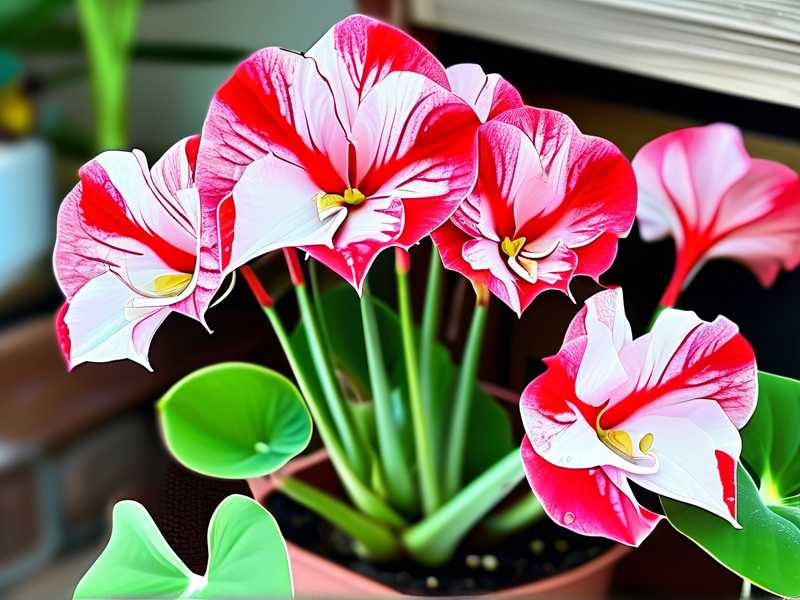
The key to revival is decisive action. Look at the roots. Fix the soil. Adjust the light. And give it time. Two weeks can change everything. I have seen it myself.
If you follow the rescue steps I outlined, you will likely see signs of recovery within a few days. New shoots will follow. The pink colors will come back and the plant will stand tall again. Stick with it. Your Caladium Pink Beauty can be saved.





