 bluename
 If you're wondering how to choose soil for Caladium Red Flash, here's the short answer: use a loose, well-draining mix with peat moss or coco coir, perlite, and compost, aiming for a pH of 5.5 to 6.5.
I killed my first Caladium Red Flash within three weeks. Actually, I did everything wrong. I planted it in heavy garden soil, watered it like a thirst-crazed fern, and stuck it in a corner where the sun scorched its delicate leaves every afternoon. The leaves curled, the stems collapsed, and within days the whole plant turned into a sad, mushy mess. It wasn't until I lost two more plants that I finally sat down, did some real research, and figured out what this diva actually needs.
Let me walk you through everything I learned—the hard way—about getting the soil right for Caladium Red Flash.
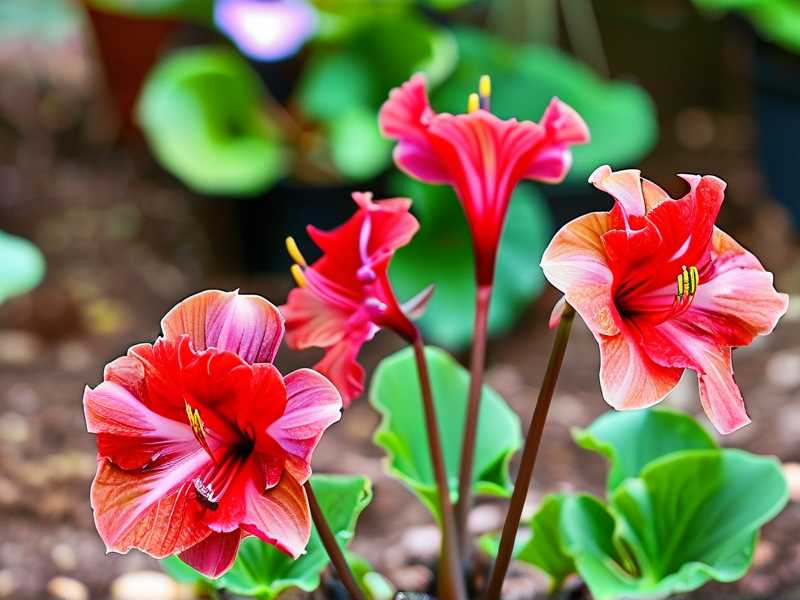
Why Soil Matters More Than You Think for Caladium Red Flash
Simple truth: Caladium Red Flash is a tuberous plant. It stores energy in its roots. If the soil holds too much water, those tubers rot before the plant even gets a chance to grow. If the soil drains too fast, the plant dries out and the leaves crisp up at the edges.
The magic is balance. You want a mix that holds moisture like a sponge, but drains like a sieve. That sounds contradictory, I know. But once you see it in practice, it clicks.
Most commercial potting mixes are too heavy for caladiums. They're designed for general houseplants, which means they retain more water than a caladium tuber can handle. I learned this after my second plant turned to mush inside a standard "premium" bag. The roots never stood a chance.
The pH Sweet Spot for Caladium Red Flash
Caladiums prefer slightly acidic soil. A pH range of 5.5 to 6.5 works best. In this range, the plant can actually absorb nutrients like nitrogen, phosphorus, and potassium. If your soil drifts above 7.0, those nutrients lock up and become unavailable. Your plant starves even though the soil is full of food.
I tested my tap water once and found it was pushing 7.8. That alone was raising my soil pH over time. If you're using tap water, especially hard water, consider testing your soil pH every few months. A simple soil pH tester costs around ten bucks. Trust me, it's worth every penny.
According to the RHS (Royal Horticultural Society), caladiums thrive in acidic, humus-rich soil. They also note that caladiums need consistent moisture but hate waterlogged conditions. That's basically the entire secret explained right there.
Similarly, the AHS (American Horticultural Society) emphasizes the importance of organic matter in tropical plant substrates. Their guidance aligns with what I've found in practice: the more compost and leaf mold, the happier the plant.
My Personal Recipe: The Perfect Caladium Red Flash Soil Mix
I'll give you exactly what I use now. I've tested this mix across three growing seasons, and it hasn't failed me yet.
Start with two parts high-quality potting mix. This is your base. Make sure it doesn't already contain moisture-control crystals—those things hold water like a diaper and will drown your tubers.
Add one part perlite. This is non-negotiable. Perlite creates air pockets in the soil, allowing oxygen to reach the roots and excess water to escape. I've experimented with vermiculite as a substitute, but it retains too much water. Stick with perlite. The AHS notes that soil aeration is critical for tropical tubers to prevent fungal growth, and perlite is the simplest solution.
Add one part peat moss or coco coir. This component holds moisture and maintains acidity. Peat moss is the classic choice, but it has environmental implications. Coco coir is more sustainable and works just as well. I switched to coco coir last year and honestly can't tell the difference. It also buffers pH fluctuations, which is nice.
Finally, add a quarter part worm castings or well-rotted compost. This gives the plant a slow release of nutrients. Caladium Red Flash is not a heavy feeder, but it appreciates steady nutrition. The compost also improves soil structure and supports beneficial microbial life.
Mix everything thoroughly. The texture should be fluffy, not clumpy. When you squeeze a handful, it should hold shape briefly, then crumble when you poke it. If water pools on top for more than a second, you've made it too dense. Add more perlite.
The Drainage Factor: Why Container Choice Matters
Here's something most guides skip: the soil is only half the equation. The pot matters just as much. I've lost plants to beautiful ceramic pots with no drainage holes. That mistake taught me a lesson permanently.
Every pot for Caladium Red Flash must have at least one drainage hole. Ideally, you want several small holes rather than one big one. This prevents soil from washing out while still allowing water to escape smoothly.
Terracotta pots are my personal favorite. They're porous, which means they let excess moisture evaporate through the walls. This helps prevent overwatering. But they dry out faster in summer, so you'll need to water more frequently. Plastic pots hold moisture longer but offer less airflow. Glazed ceramic pots look stunning but hold the most water of all.
Which one should you choose? It depends on your environment. If your home is dry, plastic or glazed ceramic might work better. If your home is humid, terracotta will dry things out faster. Think about where the plant lives before picking the pot. It took me three years to understand this, and I hope you get it faster.
Three Fatal Mistakes That Kill Caladium Red Flash
Mistake #1: Overwatering
I cannot overstate this. Overwatering is the number one killer of caladiums, and honestly, of most indoor plants. The RHS states plainly that 90% of indoor plants die from overwatering, and in my experience, it's even higher for caladiums because their tubers rot so easily.
Here's how it happens: you water, the soil stays wet, the roots can't breathe. Then bacteria and fungi move in. The tuber turns soft and brown. By the time you notice the leaves wilting, it's too late.
My rule now: stick your finger into the soil up to the second knuckle. If it feels moist, wait. If it feels dry, water. Simple as that. During the active growing season, I water about twice a week. In winter, when the plant goes dormant, I stop watering almost completely.
Mistake #2: Wrong Lighting
Caladium Red Flash needs bright, indirect light. Direct afternoon sun burns the leaves. The thin foliage just can't handle that intensity. I made this mistake with my third plant. I thought "bright light" meant full sun. I put it in a south-facing window, and within two days, the leaves had brown, crispy patches and the colors faded to washed-out pale green.
What you want is a spot that gets morning sun or filtered light all day. An east-facing window is perfect. A north-facing window might be too dark. A sheer curtain over a south or west window also works well. The leaves should glow, not burn.
Mistake #3: Wrong Pot Size
Here's something nobody told me: caladiums like to be slightly root-bound. If you plant a tuber in a huge pot, the soil holds too much moisture for too long. The roots can't absorb water fast enough, and the excess leads to rot.
I used to think bigger was better. Bigger pot, bigger plant. Wrong. The pot should be only slightly larger than the tuber. For a single tuber, a 4-6 inch pot works perfectly. As the plant grows, you can move it up one size at a time. Don't jump from 4 inches to 10 inches. That's a death sentence.
Long-Tail Strategy: My Two-Week Observation Log After Replanting
I want to share what happens when you do this right. Last spring, I replanted a struggling Caladium Red Flash using my revised soil strategy. It had been sitting in heavy sediment-packed soil for eight months, looking sad and losing color.
On day one, I removed it from the old pot, shook off all the old soil, and inspected the tubers. Some smaller roots had rotted. I trimmed those with sterilized scissors, dipped the healthy tubers in cinnamon powder (a natural antifungal), let them air dry for two hours, then planted them in my new mix.
On day two, the plant looked a bit stressed from the shock. Honestly, it looked worse before it looked better. The leaves drooped slightly, and I started second-guessing everything. I watered lightly and placed it in filtered morning light.
By day five, I noticed the first signs of recovery. The existing leaves perked up. The stems stood taller. A tiny new leaf started emerging from the soil near the edge of the pot. That was my sign that the tuber was signaling it was safe to grow.
By day eight, the new leaf was fully unfurled. The color was shy at first—pale pinks and reddish whites. The original leaves had regained their firmness. I lightly fertilized with a diluted 20-20-20 water-soluble fertilizer, at quarter strength. That's all it needed. The plant responded visibly within three days.
By day fourteen, the plant looked like a different specimen. The new leaves were reaching their mature size, showing the classic burgundy and green splashes with red highlights. The root system had clearly established itself in the new soil. I gently lifted the pot to check weight—it felt balanced and airy, not heavy and waterlogged.
Would this plant survive the whole season? Yes, I'm confident. The soil recipe, the right pot, proper light, and disciplined watering created the foundation. Without all four, I'd be watching it decline again.
How to Amend Commercial Soil for Your Caladium Red Flash
Maybe you're not ready to mix your own soil from scratch. I get it. Mixing saves money, but commercial blends work too if you amend them correctly.
If you're buying a commercial mix, look for something labeled "African violet mix" or "aroid mix." These are usually lighter and airier than standard potting soil. They inherently contain more perlite and organic matter. But I still recommend adding extra perlite. You can't have too much drainage for caladiums.
Another option: use cactus soil as a base. It seems counterintuitive because cacti like it dry, but cactus mixes are incredibly well-draining. Mix one part cactus soil with one part peat moss and a handful of compost. This creates a balanced medium that holds some moisture without becoming soggy.
I've seen success with this hybrid approach. It's more forgiving than mixing everything from scratch, while still giving your Caladium Red Flash the structure it craves.
Nutrient Management for Caladium Red Flash
The soil is your delivery system for nutrients. But your caladium needs the right nutrients at the right time. Caladium Red Flash is a foliage plant, so it benefits from higher nitrogen levels. Nitrogen promotes leafy growth and brings out those vibrant colors.
I use a slow-release balanced fertilizer at planting time. Something like a 14-14-14 works well. This provides steady nutrition for the first three months. During the active growing season, I supplement with a liquid fertilizer every four to six weeks. Half strength is plenty. Full strength can burn the roots.
Here's a critical detail: stop fertilizing in late summer. This signals the plant to start winding down. The foliage begins yellowing and dying back, and the tuber goes dormant. If you keep feeding it, you confuse the plant and disrupt dormancy. That affects next year's growth.
Avoid high-phosphorus fertilizers. Phosphorus doesn't harm the plant, but it's unnecessary for foliage plants. You want that nitrogen to drive leaf production. A simple balanced formula works best.
Organic vs. Synthetic Options
I lean toward organic soil amendments. Worm castings, compost, and aged manure all feed the soil microbiome. Healthy soil biology prevents disease and supports nutrient uptake. Synthetic fertilizers feed the plant directly but don't improve soil structure.
That said, synthetic fertilizers aren't evil. I use them as occasional supplements when I notice slow growth or pale leaves. But my base soil always includes organic amendments first. This layered approach—organic base plus occasional synthetic boost—has given me the best results.
If you prefer fully organic gardening, that's completely viable for Caladium Red Flash. Just remember to refresh the organic components each season. Compost breaks down, worm castings get consumed, and the soil structure naturally degrades over time. Rewriting the soil mix each spring keeps things alive and active.
The Seasonal Cycle: Soil Care Throughout the Year
Caladium Red Flash has a clear seasonal rhythm. Understanding this helps you adjust your soil care accordingly.
In spring, when new growth starts, the soil should be fresh and nutrient-rich. This is when you repot. Check the tubers for any signs of rot. Prune away mushy sections. The soil should be consistently moist but never wet.
In summer, growth peaks. The plant uses more water, so daily checking is wise, especially in hot weather. The soil will dry out faster. Humidity matters a lot for caladiums. If your air is dry, consider placing the pot on a tray of wet pebbles to create a microclimate. This supports leaf health without adding soil moisture.
In fall, growth starts slowing. Reduce watering gradually. Let the soil dry between waterings. The foliage will begin dying back naturally. This is normal. Once most leaves have yellowed, you can cut them back to the soil line.
In winter, the plant goes fully dormant. Stop watering entirely. The tuber rests in dry soil. Keep it in a warm spot, ideally above 60°F. I store my pots in a closet when dormant and forget about them. In spring, I wake them up by watering and exposing to light. It's almost magical when the first sprout emerges.
How Long Does Soil Stay Healthy?
Soil isn't permanent. Over time, the structure breaks down. Perlite settles. Organic matter decomposes. The drainage capacity gradually reduces. I replace the soil every season. New growth, fresh start.
If you're used to keeping houseplants for years without repotting, you need to make an exception for caladiums. They demand fresh soil. I learned this from experience: my third-year plant with two-year-old soil never grew larger than eight inches. After repotting, it doubled in size within a month. The soil was the limiting factor, not the plant.
Being honest here—this is the kind of maintenance information I wish someone had told me at the start. I would have saved myself a lot of frustration and lost plants.
Troubleshooting: Quick Signs Your Soil Is Wrong
Your plant will tell you when the soil doesn't work. Learn to read those signals.
Yellow, drooping leaves mean you're probably overwatering. The soil is staying saturated for too long. Fix it by letting the soil dry out more between waterings and adding perlite.
Crispy, brown leaf edges suggest underwatering or salt buildup. If you only water with tap water, minerals accumulate over time. Flush the soil by running water through it until it flows freely from the bottom. Do this monthly if you use tap water.
Foul smell from the soil is a warning sign. It means anaerobic bacteria are thriving—they only grow when waterlogged. Your tuber is likely rotting. Remove the plant, cut away soft spots, and replant in fresh, well-draining soil.
Stunted growth despite proper light indicates nutrient deficiency or compacted soil. If the soil feels hard and dense, it's time for a change. Loosen it or replace entirely.
Wrapping Up the Soil Journey
Choosing soil for Caladium Red Flash isn't complicated once you understand the basics. You need loose, well-draining, slightly acidic soil with organic nutrients. You need a pot with drainage holes that's only slightly larger than the tuber. You need a watering schedule that keeps soil moist but never soggy.
I've lost several plants to overwatering, wrong pot choice, and compacted soil. Each loss taught me something valuable. Smooth, continuous growth only happens when the root zone is optimized. Get that soil recipe right, and the foliage will reward you with vivid pinks, vibrant reds, and rich greens all season long.
Common Questions About Caladium Red Flash Soil
Can I use regular potting soil straight from the bag?
Yes, technically you can. But it probably won't serve you well. Standard potting mixes retain too much moisture for caladiums. I recommend amending any commercial soil with perlite and coco coir. This improves drainage and aeration. You'll get a stronger show of healthy foliage than if the plant spends its whole life fighting to breathe under soggy conditions.
How often should I water my Caladium Red Flash?
Aim for twice a week during active growth. But check your individual conditions, not a rigid schedule. The finger test directs my timing more than the calendar does. Stick a finger into the top two inches of soil. If it feels dry, water. If it feels moist, wait another day or two. Hot, dry environments require more frequent waterings than humid, cool ones.
Do I really need to replace soil every year?
Yes, I recommend it. It's not optional if you want best results. Caladium Red Flash is a heavy tuber that relies completely on root health. Old soil compacts and loses its nutrient content over time. A fresh mix each spring gives the new season's growth everything it needs to succeed.





