 bluename
 If you're wondering how to choose soil for Caladium White Christmas, the short answer is this: you need a light, airy, and highly organic mix that drains fast—something like 60% peat or coco coir, 30% perlite, and 10% bark or coarse sand. I've been growing these stunning white-and-green beauties for years, and I've learned the hard way that soil choice isn't just a box to tick. It's the difference between thriving foliage and a mushy, rotting corm. Let me walk you through exactly what I do, what I've killed, and what finally worked.
The Hard Truth About Water and Drainage
Here's the number one thing nobody told me when I started: 90% of indoor plants die from overwatering. Not from underwatering, not from pests, not from lack of light. Overwatering. And the real culprit behind overwatering is almost always bad soil. You see, water isn't the problem. The problem is water that sits around too long because the soil holds onto it like a sponge that never dries out.
I remember my first Caladium White Christmas. I bought it from a local nursery, potted it in whatever generic garden soil I had lying around, and watered it twice a week like the label said. Within two weeks, the leaves started yellowing. Then the stems went soft. Then the corm turned into a brown, squishy mess. I dug it up and the smell hit me first—that awful, rotten-egg stench of anaerobic decay. I had effectively drowned my plant in a soil mix that was way too dense for indoor growing.
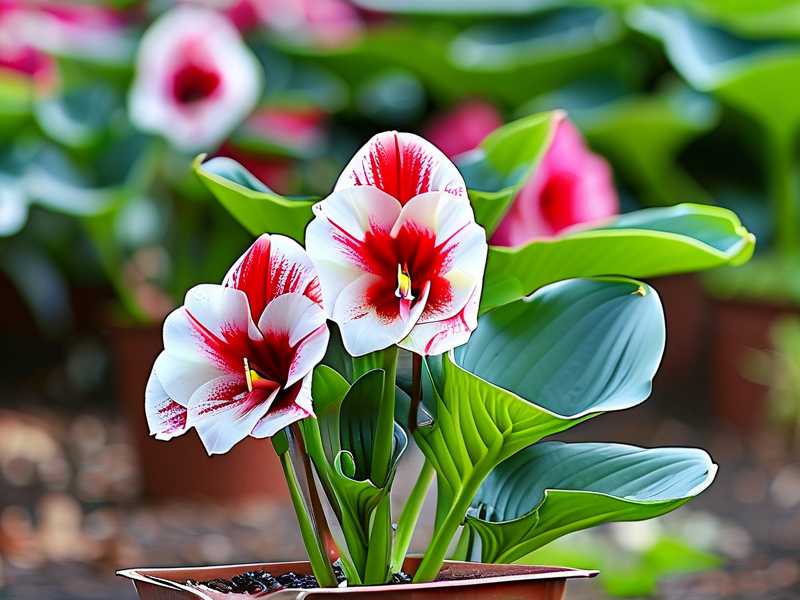
Let me tell you, I've gotten it right since then. But it took killing my second plant before I actually sat down and figured out the science behind it all.
Three Deadly Mistakes Every Beginner Makes
Before we dive into the soil recipe, I want to talk about the mistakes I see all the time. Seriously, if you avoid these three things, you're already ahead of 80% of new growers.
Mistake #1: Watering on a Fixed Schedule
I used to water my plants every Monday and Thursday, no exceptions. That's the biggest mistake I made. Here's the thing: your Caladium White Christmas doesn't care what day it is. It cares about whether the soil is dry enough to accept more water. The plant doesn't check a calendar. Neither should you.
When you water on a schedule, you're pouring water into soil that might still be wet two inches down. That excess water fills all the air pockets, and the roots can't breathe. They literally suffocate and start rotting. I've seen it happen more times than I can count.
What works instead: I now check the soil with my finger—and honestly, just my finger. I stick it about 2–3 inches into the soil. If it feels dry, I water. If it feels even slightly damp, I wait another day. Simple as that.
Mistake #2: Getting the Light Completely Wrong
Caladium White Christmas is a paradoxical plant. It loves bright, filtered light but absolutely hates direct, scorching afternoon sun. I made the mistake of placing mine on a south-facing windowsill with zero protection. The leaves got crispy edges within three days. It looked like someone had taken a lighter to the margins.
But here's the twist: too little light is just as bad. I also tried growing one in a dark corner of my living room. The growth was slow and leggy, and the white parts of the leaves turned a sickly yellowish-green. The plant couldn't photosynthesize enough energy to support the corm.
What works instead: I keep mine on an east-facing windowsill where it gets gentle morning sun and bright indirect light for the rest of the day. If you only have south or west windows, use a sheer curtain to filter the harsh rays.
Mistake #3: Using the Wrong Pot
I used to think any pot with a drainage hole was fine. Then I learned about pot material and size. First, let's talk about the terracotta vs. plastic debate. Terracotta is porous, which means it wicks moisture away from the soil and lets the roots breathe better. Plastic pots hold moisture for longer, which can be helpful in dry climates but deadly in humid ones.
I also learned about pot sizing the hard way. I planted a small corm into a huge 10-inch pot once, thinking it would have room to "grow into it." All that extra soil stayed wet for weeks, and the corm rotted before it could even sprout.
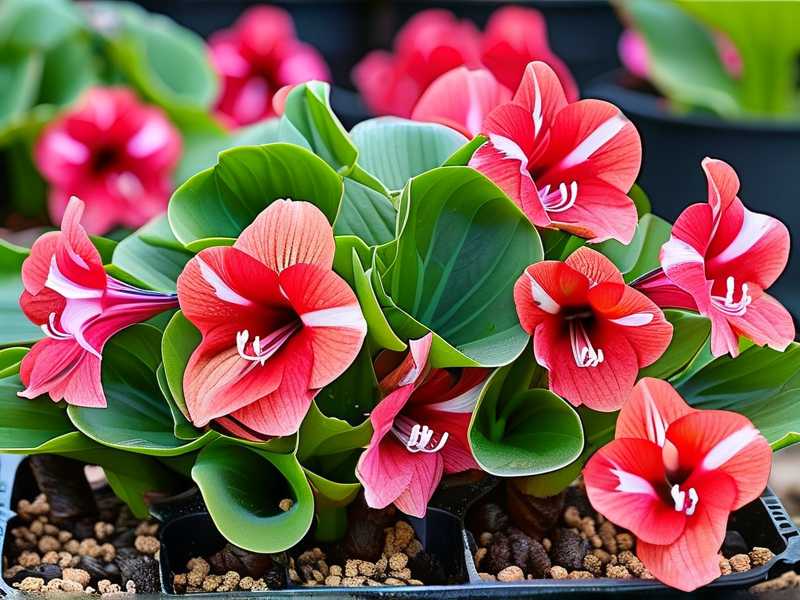
What works instead: I use a pot that's only about 2 inches wider in diameter than the corm itself. And I always, always choose a pot with at least one decent drainage hole. If you're using a decorative cachepot without holes, keep the plant in a plain nursery pot inside it and take it out to water.
The Science of Soil: What Actually Matters
Now let's get into the real meat of it. Why does soil matter so much? It comes down to three things: water holding capacity, air space, and nutrient content. The perfect soil for Caladium White Christmas balances all three.
Caladiums are native to the tropical rainforests of South America. In the wild, they grow on the forest floor, where the soil is rich in decomposing leaf matter, loose, and well-aerated. The rain falls through the canopy, hits the organic layer, and drains quickly into the deeper soil. The roots never sit in standing water.
The RHS highlights that most houseplants, including caladiums, fail because of waterlogged substrates that lack proper aeration. And the AHS similarly emphasizes how crucial drainage is for plants with fleshy corms or tubers, which are especially prone to rot.
So your goal is to mimic that forest floor environment as closely as possible. You want a mix that holds some moisture for the roots to drink, but drains fast enough that it doesn't sit soggy for days on end.
My Go-To Soil Recipe for Caladium White Christmas
After tons of experimentation, I've settled on a mix that works almost every time. Here's the recipe I use:
Ingredients:
- 60% coco coir or peat moss – This provides the moisture-retention and organic structure.
- 30% perlite – This creates air pockets and forces drainage.
- 10% orchid bark or coarse sand – This adds structural integrity and prevents the mix from compacting over time.
Let me break down why each component matters.
Coco Coir vs. Peat Moss: Which Should You Pick?
I've used both, and honestly, they're similar but have key differences. Coco coir is more sustainable than peat moss because peat is harvested from endangered bog ecosystems. Coco coir also has a nearly neutral pH, which makes it easier to manage. Peat moss, on the other hand, is slightly acidic, which caladiums don't mind at all—they prefer a pH around 5.5 to 6.5.
The main reason I switched to coco coir is its re-wetting properties. If peat moss ever dries out completely, it becomes hydrophobic and resists water. You'll water, but the water runs straight down the sides and out the bottom without wetting the soil. Coco coir re-wets more easily and maintains a more consistent moisture profile.
Perlite: Your Best Friend Against Rot
Perlite is volcanic glass that's been heated so it pops like popcorn. It's lightweight, white, and basically inert. But its superpower is its structure. Each piece of perlite has a rough, porous surface that creates channels for water to flow through.
I remember thinking perlite was just some decorative white pebble that sellers added to make soil look premium. I couldn't have been more wrong. Perlite is what stops your soil from turning into a compacted brick. Without it, the coco coir or peat will eventually settle and lose its airspace. Roots need oxygen, and perlite guarantees that.
A quick tip: Use medium-grade perlite, not the fine dust that sometimes comes in cheap bags. The fine stuff grinds down easily and loses its effectiveness.
Orchid Bark: The Underrated Hero
Adding a bit of orchid bark felt weird at first. I thought, "That's for orchids, not caladiums." But bark adds a coarse element that keeps your soil structure loose and prevents compaction over time. It also provides slow-releasing carbon compounds that beneficial soil microbes love.
If you can't get orchid bark, coarse sand works in a pinch. Just make sure it's not beach sand, which contains salt that will kill your plant. Use aquarium sand or horticultural sand instead.
Step-by-Step: How I Pot My Caladium White Christmas
Let me walk you through my actual process. I've done this dozens of times now, and I feel like I've finally got it down to a repeatable, reliable routine.
Step 1: Prep the Pot
First, I clean the pot thoroughly with soap and water. Old pots can harbor pathogens that cause diseases like root rot. I then add a piece of broken terracotta over the drainage hole. This prevents soil from washing out the bottom while still allowing excess water to escape.
Step 2: Set the Corm at the Right Depth
This is crucial. I place the corm with the bumps facing upward. The bumps are the growth points where the leaves will emerge. If you plant it upside down, it'll still try to grow down and waste all its energy.
I bury the corm about 1–2 inches deep. Shallow planting helps prevent rot. Some people even plant caladiums with half the corm exposed. I find that 1.5 inches is the sweet spot for my conditions.
Step 3: Fill and Gently Firm
After placing the corm, I fill in the sides with my soil mix. I tap the pot lightly to settle the soil but don't press down hard. Highly compacted soil eliminates airspace. You want it loose, airy, and forgiving.
Step 4: Water Thoroughly, Then Let It Drain
This might seem counterintuitive after all my talk about not overwatering, but new soil needs a good initial watering to establish moisture. I water until I see water running out the bottom of the pot. Then I wait 30 minutes and check that no standing water is in the drip tray. If there is, I dump it out.
The Two-Week Observation: What I Noticed
I want to share a little experiment I ran recently. I potted up two Caladium White Christmas corms at the same time. One I planted in my recommended mix. The other I planted in 100% regular potting soil with no added perlite or bark. Both got the same light and same watering routine.
Day 1–3: No visible difference. Both corms were planted, and I kept the soil evenly moist but not soggy.
Day 5: The one in the heavy soil started showing slightly lighter tips. I already knew this was the beginning of stress.
Day 8: The cactus in my balanced mix had sprouted two shoots. The one in the dense soil had a single shoot that was thinner and a bit yellow.
Day 12: The balanced mix plant was pushing out its third leaf. The dense soil one had stalled, and the original leaf was floppy at the base.
Day 14: I decided to dig up the struggling plant to check. The corm was soft at the base, and the roots were brown and translucent. It had started rotting. The only difference was the soil. Same water. Same light. Same everything else.
This is the clearest evidence I can give you: soil choice directly decides whether your Caladium White Christmas lives or dies.
My Soil Mixing Method (Step-by-Step)
Here's the exact way I prepare my soil, which I've refined after many batches:
Tools I Use:
- A large plastic tub for mixing
- A scoop or just clean hands
- My three main ingredients
- A spray bottle with water
The Process:
- I measure out the coco coir into the tub. I use about two parts coir.
- I add one part perlite and about a third of a part orchid bark.
- I mix it all together with my hands. I don't use a shovel or garden fork because hands give me better control and feel.
- I lightly spray the mix with water until it's slightly damp, not soaked. This helps the soil settle around the root system without compaction.
- I let it sit for 20 minutes before potting to allow the moisture to distribute evenly.
Honestly, this process takes me about 10 minutes total. It's not complicated, and the payoff is massive.
The Role of pH in Your Caladium Soil
Caladiums prefer slightly acidic to neutral soil, with an ideal pH around 6.0. If the soil is too alkaline, certain nutrients like iron and magnesium become unavailable to the plant, even if they're present in the soil. The leaves will show yellowing between the green veins.
I had this issue last year. My tap water came out of the hose at a pH of 8.2, and after a few waterings, my Caladium leaves were all yellowed. Nothing I did seemed to help. Then I grabbed a soil pH tester from a local garden store, and there it was: the pH had crept all the way up to 7.5.
I started mixing a little extra peat moss into my potting mix and used only filtered water. Within two weeks, the new leaves came in green and healthy.
Water Quality and Its Interaction With Soil
This is a point that often gets overlooked. Your soil can be perfect, but if your water is awful, the soil won't matter much. Municipal tap water often contains chlorine, fluoride, and dissolved salts that accumulate in the soil over time.
I started using rainwater for my caladiums, and the difference was night and day. The leaves were glossier, the growth rate was better, and the soil stayed healthier overall. If rainwater isn't an option, let your tap water sit in an open container for at least 24 hours before using it. This allows the chlorine to evaporate.
How to Test Drainage in Your Soil
You don't need fancy equipment to test if your soil drains well. Here's my simple 2-minute test:
- Fill a pot with your prepared soil mix.
- Pour one cup of water evenly over the surface.
- Watch how long it takes for the water to start coming out of the bottom drainage holes.
A good mix will start draining within 10 to 20 seconds. If it takes more than a minute, your soil is too dense and needs more perlite or bark. If it drains in less than 2 seconds, it's too fast and won't hold enough moisture for the corm to drink from.
Simple, right? This little test saved me from so many future failures.
Seasonal Adjustments to Your Soil Routine
Your Caladium White Christmas goes dormant in the winter. During this time, the leaves die back and the corm rests. Many people store the corms in a bag of dry peat or vermiculite until spring. I've done this for three years now, and it works beautifully.
However, when spring comes, I replace the soil entirely. Old soil from the previous year loses its structure and nutrient content. I never reuse soil for a second growing season. It's cheap to make fresh batch, and the difference in vigor is obvious.
Common Questions and Helpful Answers
Question 1: Can I use regular bagged potting mix?
You can, but you probably shouldn't without amending it. Most bagged potting soil is too dense on its own. It's often heavy and may not drain well, especially for corms. If you want to use it, you need to lighten it up by mixing in perlite (about one-third of the total volume) and some coarse bark.
Question 2: What if I can't find coco coir?
If coco coir isn't available, use peat moss instead. Adjust the pH accordingly since peat is more acidic. You can also consider using a pre-made African violet mix or a cactus palm and citrus mix, which tend to have better drainage than general potting mixes.
Question 3: Should I fertilize my Caladium White Christmas?
Yes, but lightly. I use a balanced liquid fertilizer at half strength every 2 to 3 weeks during the growing season. I avoid fertilizers with too much nitrogen, which can cause the white parts of the leaves to become thin and weak. A 20-20-20 mix at half dilution works well, or you can use a slow-release granular mixed into the soil at planting time.
Final Thoughts
Choosing the right soil for your Caladium White Christmas isn't just about aesthetics or following a fancy recipe. It's about respecting the plant's natural growing conditions and giving it what it needs to thrive. Drainage is everything.
I've killed more plants than I care to admit. I've rotted corms, burned leaves, and basically done every wrong thing a new enthusiast can do. But each failure taught me something valuable. The bottom line is this: use a well-draining, organic, airy mix. Water only when the soil is dry 2 inches deep. Give it bright, indirect light. And choose a pot that breathes.
These aren't just tips. They're the foundation of keeping Caladium White Christmas alive and vibrant. Now you've got my full playbook. Go get your hands dirty, and don't be afraid to make mistakes. That's part of the journey. I just hope this guide saves you from the same painful lessons I had to learn the hard way.





