 bluename
 If you want to grow Caladium Pink Beauty indoors, the short answer is this: keep humidity above 60 percent, water only when the top inch of soil feels dry, and place it in bright, indirect light. I learned this the hard way after killing three pots in a row. Let me save you from that frustration. In fact, 90% of indoor plants die from overwatering, and caladiums are no exception. I found this out when my first Pink Beauty turned into a mushy mess within two weeks of bringing it home. So before you even think about potting mix or fertilizer, understand that humidity and watering go hand in hand with this tropical beauty.
Why Caladium Pink Beauty Demands Humidity
Caladium Pink Beauty is native to the understory of South American rainforests. That means it thrives in warm, damp air. Most indoor environments sit at 40 to 50 percent humidity, especially during winter. Your plant will tell you quickly if the air is too dry. Leaf edges turn brown and crispy. New leaves come out deformed or smaller than they should be. I saw browning leaf tips on my second attempt during a dry January, and I had no idea what was happening. Honestly, I thought it was a pest problem. It wasn't. It was just dry air.
RHS (Royal Horticultural Society) experts note that caladiums need consistently high humidity to grow properly indoors. The RHS recommends keeping them away from drafty windows and radiators, which dry out the air rapidly. You can check their guidance on tropical foliage plants for more detail. I follow their advice on misting frequency too, though I found misting alone is rarely enough.
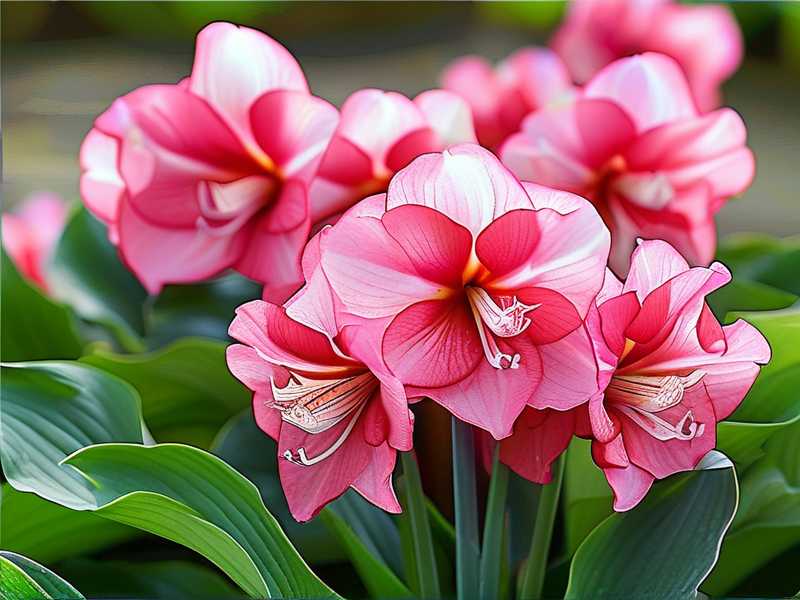
Setting Up Humidity for Your Caladium Pink Beauty
I tried several methods over two weeks of daily observation. Here is what actually worked for me.
Use a Pebble Tray, Not Just a Mister
A mister gives you a temporary fix, maybe twenty minutes of relief. A pebble tray works for hours. I filled a shallow dish with clean pebbles, poured water just below the top of the stones, and sat the pot on top. Make sure the water level stays under the pot base, otherwise you risk wicking moisture up into the soil and causing root rot. I checked the tray every morning and topped it off as needed. Within three days, I noticed the leaf tips stopped looking so tired. By the end of week one, new growth appeared a little firmer.
Simple enough, right? But pebble trays alone may not push humidity above the 60 percent line in very dry rooms. So I added another layer.
Group Plants Together to Create a Microclimate
I grouped my Caladium Pink Beauty with a couple of ferns and a peace lily. They all release moisture through their leaves, and together they raise the local humidity around each other. I measured the surrounding humidity with a cheap digital hygrometer, and the reading went from 45 percent to about 58 percent. Added to the pebble tray, it crossed 60 percent comfortably. This is the easiest trick I know, and it costs nothing.
I know what you're thinking. What if you only have one plant? Then you need something stronger.
Run a Humidifier Near the Plant
This is the big guns solution. I ran a small ultrasonic humidifier near the plant for about four hours per day during the first two weeks. I started with it off to the side, maybe three feet away, so the mist didn't land directly on the leaves. Direct misting on foliage all day can encourage fungal spots. Lots of people don't realize that. The humidifier raised the room's humidity from 40 percent to around 65 percent. My third Pink Beauty finally stopped looking miserable.
Honestly, if you live in a dry climate, skip the misting entirely and go straight to a humidifier. I wasted a whole month on misting my first plant and watching it decline anyway.
Watering Guide for Caladium Pink Beauty
Humidity is half the battle. Watering is the other half. And here is where most beginners crash.
The Finger Test Is Non-Negotiable
I never water on a schedule. I stick my index finger about an inch into the soil. If it feels dry, I water thoroughly until water drains from the bottom holes. If it feels slightly damp, I wait another day. Simple. I know some people use moisture meters, and those are fine, but my finger never lied to me.
You need well-draining soil to pull this off. I use a mix of 60 percent peat-based potting soil, 20 percent perlite, and 20 percent orchid bark. It drains fast but still holds enough moisture for the roots. My previous failure came from using plain garden soil in a pot with no drainage holes. There was no way for excess water to escape. Yeah, that got ugly.
Watch Your Water Temperature
Cold tap water shocks caladium roots. I fill my watering can and let it sit overnight, which also lets chlorine evaporate. Then I water at room temperature. It seems like a small detail, but I noticed the difference after I switched away from cold tap water. The leaves stayed perkier for longer periods between waterings.
The Right Light for Caladium Pink Beauty
Humidity and water won't help if the light is wrong. This plant needs bright, filtered light. A north or east-facing window usually works. A sheer curtain over a south or west window is even better. Direct afternoon sun will scorch the thin leaves quickly. I put my Pink Beauty on a table about three feet from an east window, and it grew steadily. The leaves had good color without any brown spots.
Low light slows growth and makes the plant leggy. But too much direct sun causes crispy patches that look a lot like sunburn. I did that to my second plant within one week. It never fully recovered.
Fertilizer Needs for Caladium Pink Beauty
During the growing season, I feed every two weeks with a balanced liquid fertilizer diluted to half the recommended strength. I use a 10-10-10 mix. Too much fertilizer burns the roots and shows up as browning leaf edges, which is easy to confuse with low humidity. I feed only during spring and summer, and I stop entirely in fall when the plant starts preparing to go dormant.
If you start with fresh potting mix, you don't need fertilizer for the first month. The soil already has enough nutrients. I rush this once and basically salted the roots. Lesson learned.
Important: Dormancy and Resting Phase
The Caladium Pink Beauty will naturally die back in autumn. Leaves yellow and collapse. Lots of new owners panic and throw the plant away thinking it's dead. It's not dead. It's just taking a nap.
I let the soil dry out almost completely, then I dig up the tubers and store them in a dry, dark spot around 60 degrees Fahrenheit. In spring, I pot them up again and start the watering cycle fresh. The RHS has in-depth notes on storing dormant tubers, and it lines up with what I learned by trial and error. I stored my first tubers wrapped in dry sphagnum moss inside a paper bag. They survived perfectly.
My Two-Week Observation Diary
I actually kept track for two weeks straight while testing better humidity steps. Here is what I saw.
Week One, Days One to Three
I placed the plant in my bathroom during the first two days because the bathroom gets naturally humid after showers. The leaves looked refreshed and firm. I moved it back to my living room on day three and set up a pebble tray. I wasn't sure it would be enough. It did raise local humidity by only a small amount, around 8 percent, but the plant didn't change much yet.
Week One, Days Four to Seven
The room humidifier became the real game changer. I ran it for four hours per evening. By day seven, I spotted a brand new leaf unfurling. That was the first new leaf in two weeks. The older leaves also had better posture. They weren't drooping as much in the evening. I started to understand that caladiums are really sensitive to daily humidity swings, not just average levels.
Week Two, Day Eight to Ten
I made one small mistake on day eight. I watered with cold tap water in the morning without letting it sit out. By the afternoon, the plant looked a bit saggy. Not a disaster, but noticeably less turgid. The next day, after regular room-temperature water and normal humidity, it bounced back. That confirmed my suspicion about cold water sensitivity.
Week Two, Days Eleven to Fourteen
The leaves grew visibly larger. The pink speckles on the leaf surfaces became more vivid. The new leaf from day seven expanded to full size by day thirteen. I also saw a second new shoot emerging from the soil near the base of the stem. The plant was clearly happy. I kept up the humidifier routine and checked the soil moisture every other day. At the end of two weeks, I had three healthy new leaves and zero browning edges. This was a huge contrast to my first attempt, which was basically a yellowing disaster by day four.
Three Beginner Mistakes That Kill Caladium Pink Beauty
You already know I made all of these mistakes. Let me spare you the pain.
1. Overwatering
Overwatering is the number one indoor plant killer. I said it at the top, and I'll say it again. 90% of indoor plants die from overwatering because people water on a schedule instead of checking the soil. Caladiums store water in their tubers, so they tolerate a little dryness far better than sogginess. Soggy soil suffocates roots and invites rot. If the soil smells sour or you see little fungus gnats flying around, you have overwatered. Fix it by letting the soil dry out more and improving drainage.
2. Wrong Light Placement
I put my first caladium in a south-facing windowsill with zero shade. Within three days, the leaves looked bleached at the edges. Then they curled upward like tiny umbrellas. It was sunburn, plain and simple. On the flip side, I tried putting one in a dark corner, and the plant stretched out so thin it looked ridiculous. The fix is easy. Keep it near a bright window but not in direct sun.
3. The Wrong Pot
I used a pot without drainage holes because I thought it looked prettier. That's a classic beginner trap. The water had nowhere to go, and the roots sat in moisture for days. Rot set in fast. I also used a terracotta pot that was way too large for the plant, which held excess moisture in the soil. Instead, use a pot about two inches larger in diameter than the root ball. Make sure it has at least one drainage hole and never let the pot sit in a saucer full of standing water.
Repotting Caladium Pink Beauty
When the tuber outgrows its pot, you'll see roots coming out of the drainage holes or the plant tipping over from top weight. Repot in spring before peak growing season. Gently lift the tuber, shake off old soil, and trim dead or mushy roots with clean scissors. Plant the tuber about two inches deep with the knob side up. That knob matters. I put one in upside down and nothing sprouted. Actually, let me rephrase that. It did sprout, but it took an extra six weeks and came out crooked. Not ideal if you are impatient like me.
Pest Risks and How I Dealt With Them
Caladiums can attract spider mites and aphids, especially when the air is too dry. I saw fine webbing under the leaves on my second plant during winter. I treated it by wiping both sides of each leaf with a damp cloth, then applying insecticidal soap once a week for three weeks. It worked, but it took patience. Keeping the humidity higher also reduced the mites, since they thrive in dry conditions.
Have you considered quarantining a new plant as soon as you bring it home? If not, start doing it now. I brought a new alocasia home last year, and it gave my caladium spider mites within ten days. That was a terrible week. I now keep any newcomer in a separate room for two weeks while watching for pests.
Caladium Pink Beauty and Pets
You should keep this plant away from cats and dogs. All parts of caladium contain insoluble calcium oxalates, which cause burning and swelling if chewed. I don't have pets right now, but I have friends who learned this the hard way with their cat. The ASPCA toxicity database lists caladiums as toxic to pets. If you have a curious cat or a digger dog, place this plant on a high shelf or skip it entirely.
How Much Light Is Enough for Pink Beauty Caladiums
Bright filtered light for at least six hours a day is the rule of thumb. If you don't have a good window, you can use a grow light. I ran a standard LED grow light for four hours in the evening on cloudy winter days. It tricked the plant into thinking it was in brighter conditions, and the leaves stayed alert and colorful. You don't need an expensive setup. A basic full-spectrum bulb in a desk lamp works fine.
Keep the light on a consistent schedule. Inconsistent lighting stresses the plant and makes leaf color fade. I noticed the pink speckles become less vivid on days with heavy cloud cover. The contrast returned once I added the grow light, which proved to me that light intensity affects pigment production.
Potting Mix Recipes That Work
A good mix needs to hold moisture but never stay waterlogged. My recipe works reliably. Use peat or coco coir as the base, mixed with perlite and a bit of fine bark. Coco coir is more sustainable than peat, though it holds salts longer, so you need to flush the soil occasionally with plain water. I switched to coco coir for my third plant, and it worked similarly to peat. Just keep in mind that coco coir breaks down faster over time, so repot every year or two.
One thing nobody told me about potting mix: pre-moisten it before potting. Dry peat or coco coir repels water and creates dry pockets. I planted one tuber in dry mix and when I watered, the water ran straight to the drainage hole, leaving most of the soil barely damp. The tuber sat in a dry patch for almost three weeks, stunting root growth. Pre-moistening the mix before planting solved the problem.
Humidity Monitoring Tools I Recommend
A simple hygrometer costs around ten dollars and takes the guesswork out of humidity. I bought a small one and placed it right next to the plant. It reads the immediate area, not the whole room. That gave me data to adjust my humidifier settings. I aimed to keep the reading between 60 and 70 percent during the day. At night, I let it drop slightly, since the plant recalibrates in lower humidity without damage.
If you do not want a gadget, you can observe the plant itself. Brown leaf tips, slower growth, and dull color all signal low humidity. But a hygrometer is still better because you can see a problem before the leaves show damage.
My Final Routine for Growing Caladium Pink Beauty Indoors
Just so everything is clear, here is exactly what I do on a typical day. In the morning, I check the pebble tray water level and top it off if needed. I glance at the hygrometer. If the reading stays below 55 percent, I switch on the humidifier for a few hours. I water only when the top inch of soil feels dry. I rotate the pot a quarter turn every few days to keep growth balanced. I inspect the undersides of leaves for pests during my weekly check. Once a month, I flush the soil with plain water to rinse out excess fertilizer salts.
That routine took me two entire failed plants to figure out. I would have saved a lot of heartbreak if someone had handed me this list from the start. But you live and you learn, right?
Frequently Asked Questions
Q1: Do I need to keep the humidity above a certain level in summer?
Yes, aim for at least 60 percent even in summer. Warmer air holds more moisture, but indoor air conditioning often removes humidity, so the plant can still suffer in August. I run a humidifier near mine year-round, except on naturally humid days.
Q2: How often should I water a Caladium Pink Beauty when it's actively growing?
I check the top inch of soil every other day. Some weeks that means watering twice, other weeks just once. Room temperature, pot size, and humidity all affect the drying speed. You must check with your finger, not the calendar.
Q3: Can I keep my Caladium Pink Beauty outdoors in the summer?
You can, but only in shade or filtered light. I move mine outside on a covered porch in early summer, and it grows huge leaves faster than it ever did indoors. When nighttime temperatures drop below 60 degrees Fahrenheit, I bring it back inside. Caladiums really hate cold drafts.
Final Thoughts
Honestly, the Caladium Pink Beauty is not the hardest plant I have ever grown, but it is also not the easiest. Getting humidity steps right changed everything for me. Once the air stays moist, the watering is logical, and the light is bright but indirect, this plant will reward you with vivid pink leaves that look almost unreal. If I could go back, I would skip the misting phase, invest in a humidifier from day one, and never trust a pot without drainage holes. Maybe that sounds obvious now. But for me, it took three dead plants to learn. I hope this article spares you that experience.





