 bluename
 If you’ve landed here, you’re probably staring at a Caladium Postman Joyner that looks a bit leggy, or maybe the leaves are flopping over like they just gave up on life. I get it. I’ve been there. The short answer on pruning is this: cut back any yellowing, damaged, or spent leaves at the soil line using clean, sharp scissors, but never remove more than one-third of the foliage at once, and always stop pruning by late summer so the bulbs can store energy for dormancy. That’s the core move. But honestly, the pruning itself is only half the battle. The other half is understanding why your plant looks like it needs a haircut in the first place. Because 90% of indoor plants die from overwatering, and caladiums are no exception to that brutal statistic. Let me walk you through everything I’ve learned, the hard way, over the past few years of growing this specific variety.
People often think pruning a caladium is some delicate, surgical procedure. It’s not. It’s more about timely removal and knowing when to stop touching the plant. I remember the first time I tried to prune mine. I took off every leaf that had a brown edge. I thought I was helping. I basically scalped the poor thing. It looked sad and naked for weeks. So let’s skip that mistake, shall we?
Before I touch any plant, especially a caladium, I always check the soil moisture first. This is a rule I live by now. If the soil is still wet from my last watering session, I put the scissors down. Pruning a hydrated plant that is sitting in soggy soil is a recipe for inviting fungus and rot into the open wounds. I learned that lesson when I lost a whole pot of bulbs to root rot after a heavy prune and a heavy watering week. The cuts became entry points for disease.
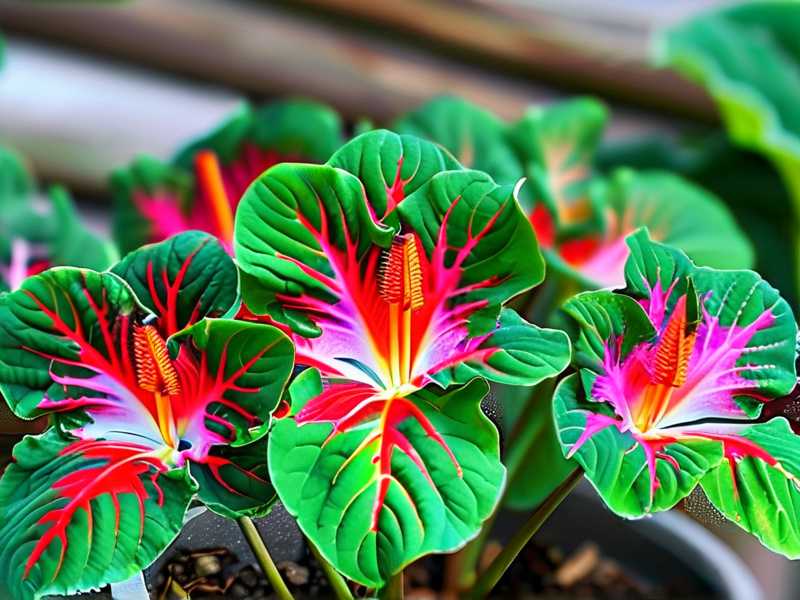
So, here’s my actual step-by-step routine that I’ve refined over the last two years. I’m going to assume you have a Caladium Postman Joyner that is actively growing, maybe in a pot indoors or in a shaded garden bed. This routine takes about ten minutes every couple of weeks. It’s simple, but the timing matters.
First, grab your tools. I use a pair of precision pruning snips. You don’t need anything huge. Sterilize the blades with rubbing alcohol before you start. This is non-negotiable for me now. I used to skip this step. Then I introduced a fungal issue to my Alocasia and it spread to my caladiums. One tiny cut with a dirty blade caused a mess that took months to fix. Wipe the blades between each plant, and definitely between each cut if the plant looks suspect.
Next, I look for the "old guard" leaves. These are the oldest leaves, usually on the outer edge of the plant. They are the ones that start to yellow, or they look a bit washed out, loosing that deep red and green contrast that makes the Postman Joyner so beautiful. I trace those stems all the way down to the base of the plant, near the soil line. Then I cut straight across, cleanly. Don’t leave a stub. Leaving a piece of stem behind is just an invitation for rot to sit in the moisture and decay.
I also keep an eye out for leaves that are pointing inward or crossing over each other too aggressively. I prune those out to open up the center of the plant for better air circulation. Caladiums hate stagnant, humid air trapped in the foliage. It leads to powdery mildew, which is another headache I dealt with last season. Opening up the canopy helps the leaves dry out faster after watering. I use my fingers to gently part the leaves, find the offending stem, and snip it as low as I can reach without disturbing the emerging new shoots.
Now, here’s the part about the bulbs. The Caladium Postman Joyner grows from a tuber. That tuber is the engine of the plant. If you keep cutting away all the top growth, you are robbing the engine of fuel. After I prune away the damaged stuff, I always step back and assess the overall shape. If the plant still looks "dense," I leave it alone. I do not chase a perfectly round shape. I allow it to be a bit wild. The foliage is the food source. The leaves photosynthesize and recharge the bulb for the next season. If you cut too much, you get a weak bulb that might not come back after dormancy.
This is where my 2-week observation window comes in. After I do my pruning pass, I wait. Two weeks exactly. I don’t water extra. I don’t fertilize. I just watch. In the first week, you’ll often see the remaining stems firm up. The plant redirects energy to the growth points. By day 10 or 14, I look for new leaf tips breaking the soil line. That is the signal that the pruning was successful and not too harsh. If I see new growth within that window, I know I did it right. If the plant looks stagnant or the remaining leaves start drooping, I know I probably cut too much or I have a root issue to investigate.
Let’s talk about the mistakes that kill more of these plants than anything else. I have killed four caladiums in my life. Four. And I’m not ashamed to say it because each death taught me something new. Here are the three absolute killers.
Mistake #1: Overwatering This is the big one. We already said that 90% of indoor plants die from overwatering. Caladiums are incredibly sensitive to wet feet. I used to water mine on a schedule. Every Saturday. It didn’t matter if the soil was still damp from Tuesday. I watered anyway. The leaves started turning yellow at the edges and the stems got mushy near the base. It looked like a pruning problem, but it was actually a watering problem. The roots were drowning. When you overwater, you prune the roots by suffocating them. The foliage dies because it can’t get nutrients. Fix this by only watering when the top two inches of soil are bone dry. Insert your finger. Don’t guess. And when you do water, water deeply but sparingly. Let the excess drain out of the pot holes. Never let the pot sit in a saucer of standing water.
Mistake #2: Wrong Light Exposure The Postman Joyner is not a sun worshipper. I tried to give mine "more sun" to deepen the red color in the leaves. Big mistake. The leaves bleached out. The edges turned brown and crispy, like they had been singed with a lighter. I thought it needed pruning to fix the burnt tips, but pruning doesn't fix sunburn. Caladiums prefer bright, indirect light or dappled shade. Direct morning sun is okay for an hour, but the harsh afternoon sun will destroy the foliage. If you see that bleaching effect, move the plant to a shadier spot immediately. Don’t bother pruning the burnt leaves until they are fully yellow, otherwise you might cut healthy tissue that is still providing energy.
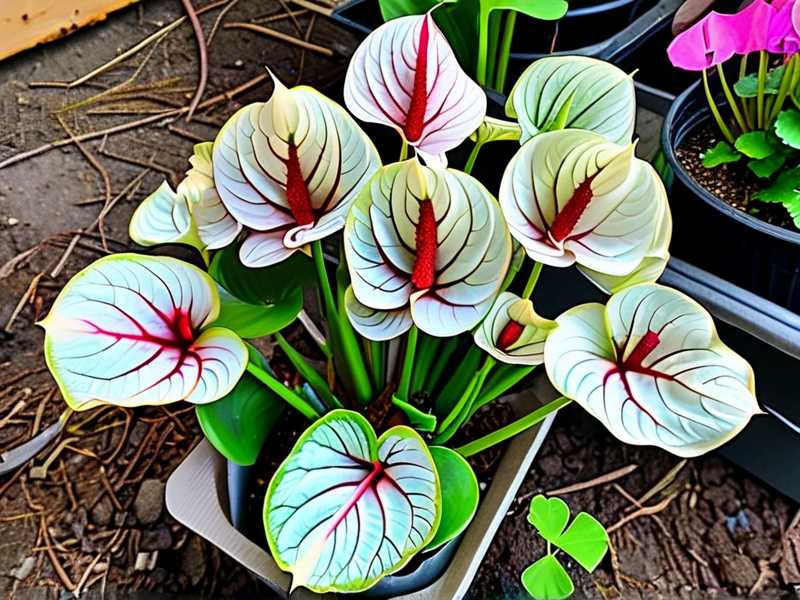
Mistake #3: The Wrong Pot I grew my first Postman Joyner in a small, narrow ceramic pot. It was cute. It also was a death trap. Caladiums need room for their roots and tubers. But they also need pots with good drainage holes. I fell in love with a decorative pot that had no holes in the bottom. I put pebbles in the bottom, thinking that would create drainage. It didn’t. The water pooled at the bottom, below the soil line, and created a swampy anaerobic zone. The tuber rotted from the bottom up. The leaves looked fine one week, then the whole plant collapsed overnight. I now use plastic nursery pots or terra cotta pots with massive drainage holes. I slip those pots into pretty cachepots if I want to display them, but I always take them out to water and let them drain completely.
I’ve seen advice online that says to mist caladiums for humidity. I tried that with the Postman Joyner. It was a disaster. The water droplets sat on the leaves and created brown spots, especially when the light hit them. Those brown spots looked like a disease, so I panicked and pruned the leaves off. I ended up removing healthy foliage because of a self-inflicted cosmetic issue. Caladiums like humidity, but misting the leaves is the wrong way to do it. If your air is dry, use a pebble tray with water beneath the pot, or run a small humidifier nearby. Just don't spray the foliage directly, especially in a bright room.
There is also the question of fertilizer. I used to think that if I pruned and fertilized, I was giving it the best of both worlds. I learned that heavy fertilization after pruning can shock the plant. The roots are recovering from the energy shift. Pushing salt-heavy fertilizer into them right after you made cuts is stressful. I usually wait about three weeks after a heavy pruning session before I resume a weak liquid fertilizer routine. I use a balanced 10-10-10 diluted to half strength. That seems to be the sweet spot for this variety while it is pushing out new leaves.
Now, let’s get into the specific growth cycle. The Caladium Postman Joyner is a summer grower. It comes out of dormancy in late spring. It grows all summer. By early autumn, the leaves will start to decline naturally. This is not the time to prune excessively. This is the time to stop pruning completely. I let the foliage die back naturally. I stop watering gradually. The plant will look scraggly for a few weeks. It’s normal. I resist the urge to "clean it up." The bulb wants to pull the remaining nutrients from the leaves into itself for storage. If you cut the leaves off early during this fall senescence, you risk starving the bulb. I learned this the hard way. I cut my leaves off in early October because they looked ugly. The next spring, my bulbs were smaller and one was completely hollow. I had effectively cut off the food supply before dinner was finished.
For indoor growers, you might keep the plant growing year-round if you have grow lights and consistent temperatures. I tried this. It doesn't work as well as you'd think. Caladiums need a rest period. Even indoors, I force my Postman Joyner into a dormancy phase for about 2-3 months. I stop watering in late autumn, let the leaves die completely, and then store the pot in a cool, dark closet. I don't water it for the entire winter. I check the soil once a month to make sure it isn't completely desiccated, but I aim for slightly dry, not bone dry. In late spring, I bring it out, water it lightly, and wait for the new shoot. This cycle produces bigger, healthier leaves than trying to force continuous growth.
Let’s talk about stems that just snap off for no reason. Sometimes, a tall stem will just break because the leaf is heavy. This is common if the plant is growing a bit stretched from low light. When this happens, I don't panic. I take the snapped leaf and gently twist it off at the base. Then, I use a small stake to support the remaining tall leaves. I don't necessarily prune the whole plant back. Airflow around the stem base is crucial here. If you keep the area dry and clean, the plant will heal. If the soil is wet and cold, that snapped stem becomes a vector for rot. So, if I have a snap, I check my soil moisture first. If it's wet, I let it dry out more than usual.
One thing that surprised me about the Postman Joyner specifically is how much it drinks on hot days. It grows faster than my other caladiums, which means it acts thirstier. That does not mean you should water more. It means you should check more often. On a 90-degree day, it might need water every two days. On a cloudy day, maybe once a week. The leaves are huge and they transpire a lot. But the bulb itself is quite sensitive to sitting in the water. I solved this by using small pots. Smaller pots dry out faster. This prevents the bulb from staying wet for too long. I have my Postman Joyner in a pot that is only two inches larger in diameter than the bulb cluster. It seems snug, but the plant loves it.
I also use a fan. I know it sounds weird. But I have a small oscillating fan that I point at my plant corner for a few hours a day. This does two things. It strengthens the stems. The slight breeze mimics the wind, so the plant builds sturdier cells. It also dries the topsoil faster after watering. I noticed a massive reduction in fungal gnats and leaf spotting when I added moving air. My pruning sessions became shorter because there were fewer sickly stems to remove. Strong stems don't flop over, which means less need to prune for structural reasons.
When you do prune, think about hygiene afterwards. I always clean my tools again. I also wipe up any leaf debris from the top of the soil. I never let dead leaves sit on the surface of the potting mix. Those dead leaves create a breeding ground for mold. I toss them in the trash, not the compost bin, because if there is any disease, I don't want it in my outdoor compost that I'll use next spring.
If you are wondering about the actual cut angle, I cut flat. Some people cut at an angle to prevent water from sitting on the cut stem. I used to do the 45-degree angle. I found that it doesn't matter much for caladiums because you are cutting so close to the soil. The main thing is to cut below the soil line if possible. If you cut above the soil line, you leave a small stub. That stub will eventually dry up and become yellow and mushy. It looks ugly and it can rot. So, I actually use my fingers to part the soil slightly to expose the base of the stem, and I cut it below the surface. Then I push the soil back over the cut. This seals the wound naturally.
I need to mention pest control briefly, because pests often look like a pruning issue. Spider mites are a huge issue for caladiums indoors. They cause the leaves to turn yellow and stippled. If you see webbing under the leaves, do not prune the leaves off first. Treat the pests. I made this mistake. I pruned off leaves thinking they were just old, but it was a spider mite infestation. I removed the leaves and spread the mites to every other plant in the room. I now flip over the leaves of my Postman Joyner every single time before I decide to prune. If I see any specks or fine webbing, I quarantine the plant and treat it with a gentle insecticidal soap. I don't prune during the treatment because the soap needs the foliage to work.
Another thought on timing. I never prune at night. The reasons is moisture. The plant's stomata are closed at night, and the pruning wounds take longer to dry. I always prune in the early morning on a sunny day. This gives the wounds the whole day to callus over. The dry air and the active circulation help the cuts heal quickly. If I prune in the evening and the plant sits in a cool, damp room, the open wounds stay wet for hours. This increases the chance of bacterial infection. It's a small change in habit, but it made a huge difference in the health of my plants.
What about pruning when the plant is in "full leaf mode"? In mid-summer, my Postman Joyner looks like a dense bush. It’s gorgeous. I rarely cut it during this peak. I only do "selective removal." I take out any stem that is clearly dying or rotting. I don't shape it. The plant knows what to do. It creates a natural mound shape on its own. Too much interference during peak season just stresses the plant. I save my bigger maintenance prunes for early in the season and just before dormancy.
So, in terms of a weekly checklist, here is what I do with my Caladium Postman Joyner. Every Monday, I look at it. I check the soil moisture. I inspect the undersides of three or four random leaves for pests. I look for any color changes in the stems. I remove no more than one or two leaves per week during the active growing season. That's it. It's not a dramatic operation. The plant stays stable, and the bulb gets consistent energy. The leaves stay vibrant. I have found that this steady, small-scale approach beats doing a massive intervention every month.
I know a lot of people struggle with the visual look of a caladium when it starts to decline. The leaves don't fall off cleanly like a ficus. They stay attached, looking droopy and sad. You have to give yourself permission to cut them. It feels wrong at first, but it's necessary. I remember the first time I cut a healthy-looking green leaf because it was drooping on the outer edge. I thought I was making a mistake. But the stem had a tiny soft spot at the base that I couldn't see until cutting it open. It was starting to rot. By removing it, I saved the rest of the plant.
Let's talk about the "Postman Joyner" specific red foliage. The red leaves are thin. They bruise easily. When I handle the plant, I'm gentle. I don't squeeze the leaves. If I need to move the plant, I hold it by the pot. Squeezing the leaves creates internal damage that shows up as translucent, mushy areas later. These areas then turn brown and look like a disease. You can't prune away that damage without ruining the shape. So, prevention is key. Handle the pot. Don't hug the plant.
I also noticed that the propagation of this plant can relate to pruning. The tuber will multiply over time. When you prune too aggressively, you limit the tuber's ability to create offshoots. The energy that should go to creating new tubers goes to regrowing the leaves you cut. So, if you want more plants, prune less. If you want a decorative, showy plant, you can prune more, but you will sacrifice future growth. It's a trade-off. I opted for a showy plant first, and then I let it go feral for a season to bulk up the tubers.
When I travel, I have a friend check on my plants. I leave strict instructions: Do not prune the caladium. Do not water it unless the soil is completely dry. My friend means well, but last year she pruned off all the "old leaves" because she wanted it to look neat for me when I came home. She cut off too much. The plant lost its balance and went into shock. It dropped all its remaining leaves. The bulb survived, but I lost a month of growth. It was frustrating. So, if you ask for help, be super specific. People think pruning is helpful, but at the wrong time, it's destructive.
Another mistake I made was using non-sterilized scissors from my kitchen. Kitchen scissors had oil residue on them. That oil acted like a chemical that burned the cut stems. The stems turned black and died back further into the bulb. I had to dig up the bulb to clean off the dying tissue. That was a delicate surgery. Now, I only use dedicated garden snips that I wipe with alcohol before every session. It takes two seconds. It saves me weeks of headaches.
I also stopped using those moisture meter probes that you stick in the soil. I found they were inaccurate with a light, chunky aroid mix. The probe said "dry" when the middle of the pot was wet. I watered, and I caused rot. I went back to the finger test. I stick my finger deep into the drainage hole from underneath. If the soil near the hole is moist, I don't water. This tells me if there is residual water trapped at the bottom. This simple test has saved my Caladiums from overwatering more than anything else.
Now leading into the frequently asked questions about pruning. This is the part where I share the small bits of knowledge that don't fit into a strict step guide.
FAQ: How low should I cut the stems? I cut the stem as close to the tuber as I can get without actually digging up the soil. I bend down and use my fingers to feel where the stem comes out of the main root mass. I then position the scissors right there and snip. Leaving a stem stock of more than half an inch is risky. That stock will retain moisture and rot. The rot can travel down to the tuber. So, cut lower than you think you need to. You won't hurt the bulb by cutting the stem off at the base. The bulb is deep and solid.
FAQ: Can I prune in the winter? You should only prune in the winter if you are cutting off the dead, dried-up leaves of a dormant plant. If you are forcing dormancy, the leaves will be brown and crunchy. You can cut those off at soil level. But if you have a plant trying to grow in winter with artificial light, do not actively prune it unless there is rot or pests. The low light levels mean the plant is already struggling to photosynthesize. Removing leaves makes it weaker. Let it be leggy until spring.
FAQ: Why are my new leaves coming in pale and small? This isn't a pruning issue, but people often ask me after they prune. Pale, small leaves usually mean the bulb is depleted. You over-pruned in the past, or it didn't get enough fertilizer. The plant is putting out small leaves because it doesn't have enough stored energy. The solution is not to prune more. The solution is to leave every single leaf alone until it dies naturally. Feed it lightly. Give it bright, indirect light. Wait for the next growth cycle. It will recover over time. Patience is the only cure.
In the end, pruning a Caladium Postman Joyner is about understanding the bulb's perspective. The leaves are temporary solar panels. My job is to keep those panels healthy for as long as possible, and only remove them when they are broken or inefficient. I stop trying to force the plant into a shape. I let it fill out naturally. I use my scissors for sanitation, not sculpture. That mindset shift is what finally stopped me from killing these plants. I hope this guide helps you avoid the same path I took. Just remember to check the soil, look at the base, cut low, and wait. The plant will do the rest.





