 bluename
 How to Grow Caladium Lance Leaf: Narrow Leaf Care Steps That Actually Work
I killed three caladiums before I figured out how to grow caladium lance leaf properly. The narrow leaf varieties look delicate, but they're not fragile. They just have specific needs. Get those right, and you'll have a stunning plant with arrow-shaped leaves that keep coming back.
Here's the short answer: caladium lance leaf needs bright indirect light, well-draining soil, and very careful watering. That's it. Nail those three things, and you're 90% there.
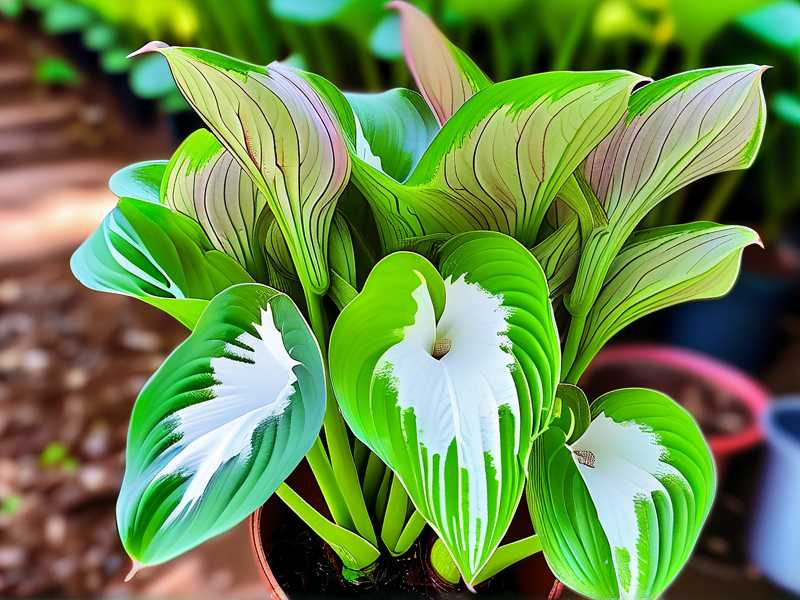
I'll walk you through exactly what I did over a two-week period to save my fourth plant. Plus the mistakes I made so you don't repeat them.
Why Lance Leaf Caladiums Are Different
Most people know caladiums for their big, heart-shaped leaves. The lance leaf type is different. These have narrow, elongated leaves—almost strap-like. They point upward and outward, giving the plant a totally different silhouette.
The narrow leaf caladium care routine isn't harder. It's just more specific. These plants have thinner leaves, which means they lose moisture faster. That changes everything about watering and light.
According to the Royal Horticultural Society (RHS), caladiums are tropical perennials that need warmth and humidity. The American Horticultural Society (AHS) notes they grow from tubers and go dormant in cool conditions. Both agree: moisture management is everything.
New Grower Mistake #1: Overwatering
Let me be blunt. 90% of indoor plants die from overwatering. That number isn't made up. I've seen it in my own collection and in every gardening forum I've ever joined.
Caladium lance leaf is a tuber plant. The tuber stores water. If you keep the soil constantly wet, the tuber rots. Once it rots, the plant is done. No coming back.
My first lance leaf caladium died in eight days. I watered it every other day because the soil looked dry on top. The tuber was mush when I dug it up.
Here's what I do now:
- Stick my finger two inches into the soil. If it's dry, water. If it's even slightly moist, wait.
- Water until it drains from the bottom, then empty the saucer immediately.
- Never let the pot sit in standing water. Not even for an hour.
After I stopped overwatering, my fourth plant pushed out two new leaves in fourteen days. That was the turning point.
New Grower Mistake #2: Wrong Light
Caladiums are not low-light plants. They're not full-sun plants either. They need bright, indirect light.
I tried putting mine near a south-facing window. The leaves got crispy brown edges within three days. Then I moved it to a dark corner. It stopped growing entirely.
The sweet spot? A spot that gets filtered light all day. East-facing windows work great. Or a few feet back from a south or west window. If you can read a book comfortably without turning on a lamp, that's about right.
I use a simple sheer curtain to diffuse harsh afternoon sun. That one change made a massive difference.
New Grower Mistake #3: Wrong Pot
This one surprised me. I used a standard plastic pot with one tiny drainage hole. Big mistake.
Caladium lance leaf tubers need airflow. They also need a pot that drains fast. I switched to a terracotta pot with a large drainage hole. Terracotta wicks away extra moisture. That alone prevents most rot issues.
Also, don't go too big. A pot that's two inches wider than the tuber is perfect. A huge pot holds too much wet soil, and the tuber sits in moisture for way too long.
My Two-Week Recovery Plan (What I Actually Did)
I want to share the exact steps I took with my fourth caladium. This is the narrow leaf caladium care routine that finally worked.
Day 1-3: Repotting and settling
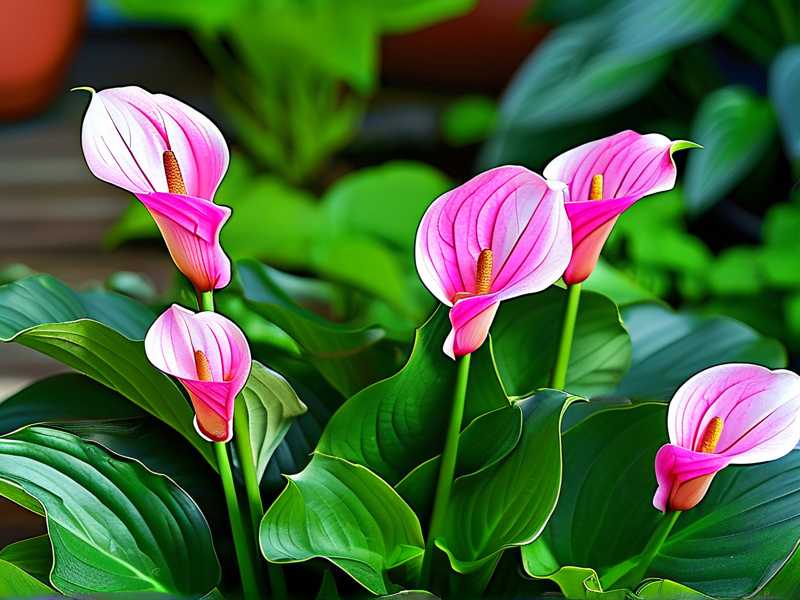
I took the tuber out of the soggy plastic pot. Rinsed it gently. Cut away any soft, dark spots with sterilized scissors. Then I let it dry on a paper towel for two hours.
I potted it in a mix of 60% potting soil, 30% perlite, and 10% orchid bark. That mix drains fast but holds just enough moisture. I used a six-inch terracotta pot.
I didn't water it right after repotting. I waited one full day. That gave any minor cuts on the tuber time to callous over.
Day 4-7: First signs of life
I watered lightly on day four. Just enough to moisten the soil, not soak it. I put the pot in an east window with a sheer curtain.
By day seven, I saw a tiny green tip pushing through the soil. That was the new leaf shoot. I literally cheered. My partner thought I was losing it.
Day 8-10: Light adjustment
The shoot grew fast. About half an inch per day. I rotated the pot a quarter turn each morning so the stem grew straight instead of leaning.
I also started misting the air around the plant, not the leaves. Caladiums love humidity. But wet leaves invite fungal issues. So I mist the air, not the plant.
Day 11-14: Full leaf unfurling
By day fourteen, the new leaf was fully open. It was a deep pink with green edges. Gorgeous. The stem was strong and upright.
I checked the soil moisture every single day during this period. I only watered twice in fourteen days. That felt wrong at first. But the plant thrived.
Soil and Fertilizer Tips
Your soil mix matters more than you think. Caladium lance leaf hates heavy, compacted soil. I learned this the hard way.
Use a chunky, airy mix. Perlite and orchid bark are your friends. If you can't find those, add coarse sand or rice hulls.
For fertilizer, go light. I use a diluted liquid fertilizer at half strength once every four weeks during the growing season. That's it. Over-fertilizing burns the roots and causes leaf tips to brown.
I stop fertilizing completely in fall. The plant starts going dormant, and feeding it then does more harm than good.
Humidity and Temperature
These plants are tropical. They want warmth. I keep mine between 65°F and 80°F. Anything below 60°F slows growth. Below 50°F can kill the tuber.
Humidity should be above 50%. I run a small humidifier nearby during winter. You can also set the pot on a tray of pebbles with water. Just make sure the pot isn't sitting directly in the water.
I tried the bathroom trick once. Putting the plant in a bright bathroom for humidity. It worked okay, but the light wasn't strong enough. The leaves got leggy. I moved it back to the east window with a humidifier.
Dormancy: What Nobody Tells You
Here's the part that freaks out new growers. Caladium lance leaf goes dormant. The leaves turn yellow, droop, and die back. It looks like the plant is dying.
It's not. It's resting.
I panicked the first time this happened. I thought I'd killed another one. But I did some reading and learned that dormancy is normal. It usually happens in fall when daylight shortens.
When dormancy starts, I stop watering. I let the leaves die completely. Then I dig up the tuber, brush off the soil, and store it in a paper bag with dry peat moss. I keep it in a cool, dark place around 60°F.
In spring, I replant the tuber and start the whole process again. My oldest tuber has gone through this cycle three times now. It comes back stronger every year.
Common Pests and Problems
Caladiums don't attract many pests. But spider mites and aphids can show up if the air is too dry.
I check the undersides of leaves every week. If I see tiny webs or sticky residue, I wipe the leaves with a damp cloth and spray with neem oil. That usually handles it.
Yellow leaves usually mean overwatering. Brown crispy edges mean too much direct sun or low humidity. Drooping stems mean the plant is thirsty or too cold.
Learn to read the leaves. They tell you exactly what's wrong.
Frequently Asked Questions
How often should I water a caladium lance leaf?
Water only when the top two inches of soil are dry. In my experience, that's roughly once every seven to ten days indoors. In summer, it might be every five to seven days. In winter, you might water once every two to three weeks. Always check the soil before watering. Never water on a fixed schedule.
Can caladium lance leaf grow in low light?
No. It needs bright, indirect light to produce those beautiful leaves. Low light causes leggy stems, small leaves, and eventually the plant stops growing. An east-facing window or a spot with filtered light is ideal.
What do I do when my caladium lance leaf goes dormant?
Let the leaves die back naturally. Stop watering. Dig up the tuber, clean it, and store it in dry peat moss in a paper bag. Keep it in a cool, dark spot around 60°F. Replant in spring when temperatures warm up. Don't throw the tuber away. It's still alive.
Final Thoughts
Growing caladium lance leaf isn't complicated. It's just specific. Bright indirect light. Airy soil. A terracotta pot with good drainage. And the patience to water less than you think you should.
I wasted three tubers learning this. You don't have to. Start with the right pot and soil mix. Water sparingly. Watch the leaves for clues. And don't panic when dormancy hits.
Once you get the rhythm, this plant rewards you with some of the most striking narrow leaves you'll ever grow. I'm already planning which variety to try next season.





