 bluename
 How to Grow Caladium Giant Pink: Large Pink Leaf Care Guide
I killed three Caladium Giant Pink plants before I figured out what actually works. The first one drowned. The second one got scorched on a west-facing windowsill. The third one sat in a pot way too big for its roots and just rotted away quietly. If you're here because your Caladium Giant Pink is crispy, drooping, or turning to mush, let me save you the heartbreak. This guide covers everything I learned over two solid weeks of daily observation, plus the mistakes I made so you don't have to.
Caladium Giant Pink is one of those statement plants that makes people stop and stare. The leaves are enormous, sometimes as long as your forearm. They're a soft, glowing pink with dark green edges and veins that look hand-painted. I've grown a lot of caladiums, and this one is genuinely special. But it's also fussy in ways that aren't obvious when you buy it. The nursery pot looks fine. The leaves look fine. Then two weeks later, everything collapses.
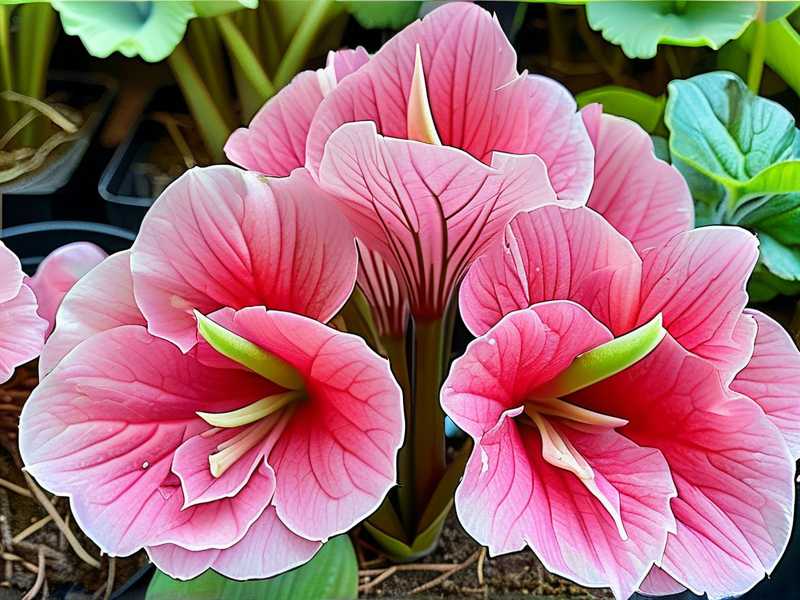
Let me tell you exactly what happened during my two-week trial so you know what to expect.
My Two-Week Observation: What Actually Happens
Week one, I brought home a healthy Caladium Giant Pink from a local grower. Four large leaves, one small new one just unfurling. I placed it on a shelf about four feet from an east-facing window. Not direct sun, just bright, filtered light. I watered it once, thoroughly, until water ran out the drainage holes. Then I waited.
By day three, the new leaf had opened fully. That was a good sign. By day five, I noticed the oldest leaf starting to droop slightly. Not yellow, not crispy. Just… tired. I checked the soil with my finger. Still moist two inches down. So I didn't water. By day seven, that droopy leaf had perked back up. That told me something important: Caladium Giant Pink sometimes drops leaves just because it's adjusting, not because you did anything wrong. If I had panicked and watered again, I would have started the rot cycle.
Week two, I moved it to a spot with slightly more light. About three feet from a south-facing window with a sheer curtain. The pink color deepened noticeably within four days. That's when I realized light intensity directly affects how pink those leaves get. Too little light, and the pink washes out to a pale, sad cream color. Too much direct sun, and you get brown, papery patches.
By the end of week two, I had a plant with six healthy leaves and one more on the way. No fertilizer yet. No misting. Just consistent, careful watering and the right light.
Now let me break down the three mistakes that kill most Caladium Giant Pink plants.
Mistake #1: Overwatering (The Silent Killer)
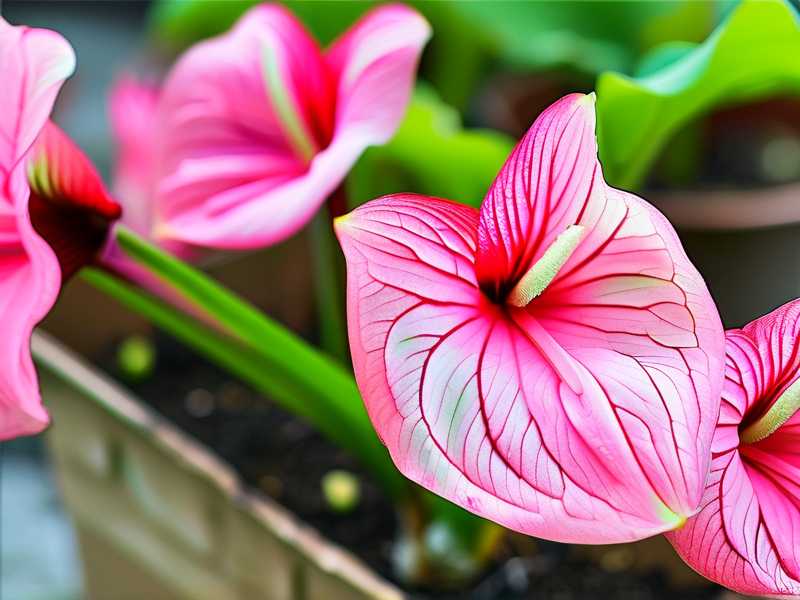
90% of indoor plants die from overwatering. I'm not exaggerating. That statistic comes up again and again in horticultural circles, and my own experience backs it up completely. Caladiums grow from tubers. Those tubers store water. If you keep the soil constantly wet, the tuber literally suffocates and turns to brown mush. I've pulled up tubers that looked like spoiled potatoes. It's grim.
Here's what I do now. I water only when the top inch of soil feels dry when I stick my finger in. Not damp. Dry. During the growing season, that's usually every five to seven days in my house. In winter, when the plant goes dormant, I stop watering almost entirely.
The pot matters here too. Terracotta breathes. Plastic doesn't. I use unglazed terracotta for all my caladiums now because it wicks away excess moisture. If you use plastic, be extra careful. And always, always use a pot with drainage holes. I don't care how pretty that ceramic cachepot is. Drill a hole or use a nursery pot inside it.
Mistake #2: Wrong Light (Too Much or Too Little)
Caladium Giant Pink is a shade plant. That doesn't mean it thrives in a dark corner. It means it wants bright, indirect light. Think dappled sunlight under a tree. In a home, that translates to a few feet back from an east or south window, or right in front of a north window. If you put it in direct afternoon sun, the leaves will scorch. I've seen it happen in less than two hours. Brown, crispy patches that never heal.
But here's the flip side. If the light is too dim, the plant stretches. The stems get long and weak. The pink fades. New leaves come in smaller and smaller. I tried keeping one in a hallway with no windows once. It survived for about six weeks, then gave up. The tuber was fine, but the foliage was a lost cause.
The sweet spot? A spot that's bright enough to read a book comfortably during the day, but where the sun never actually touches the leaves. That's where you get the biggest, pinkest leaves.
Mistake #3: Wrong Pot Size (Yes, It Matters)
This one surprised me. I used to think bigger pot meant happier plant. Not true for caladiums. If you put a small tuber in a huge pot, the soil around it stays wet for way too long. The roots can't drink it all up. The tuber sits in a soggy environment and rots. I lost an entire batch of six tubers that way one spring. Expensive lesson.
Now I use a pot that's only about one to two inches wider than the tuber itself. It looks almost comically small when you first plant it. But the roots fill that space quickly, and the soil dries out at a reasonable pace. As the plant grows, you can size up, but only by a couple of inches at a time. And always make sure the pot has drainage.
How to Plant Caladium Giant Pink Tubers
If you're starting from tubers, here's my process. I get a small pot, fill it with a loose, well-draining mix. I use two parts peat-free potting soil, one part perlite, and a handful of orchid bark. That mix holds moisture but lets air through. I plant the tuber with the knobby side up, about an inch deep. Then I water once and put the pot somewhere warm, around 70 to 75 degrees Fahrenheit, with bright indirect light.
The first sprout usually appears in two to three weeks. I've had some take four weeks. Don't dig around to check. Just wait. Once the first leaf opens, I start watering more regularly, following the dry-top-inch rule. I also start feeding every two weeks with a diluted liquid fertilizer. Half strength is plenty. Caladiums aren't heavy feeders, and too much fertilizer burns the roots.
Watering and Humidity: The Real Routine
I water from the top, slowly, until water drips out the bottom. Then I dump whatever collected in the saucer. Sitting water is a death sentence. If you're not sure whether to water, wait another day. Caladiums are more forgiving of a missed watering than an extra one.
Humidity is where these plants get picky. They come from tropical forests, so they love moist air. I keep a small humidifier running nearby during the growing season. If you don't have one, a pebble tray works okay. Just fill a saucer with pebbles and water, set the pot on top, and make sure the pot isn't sitting directly in the water. Grouping plants together also helps. I've noticed fewer crispy leaf edges since I started doing that.
Misting? I used to mist every morning. Then I read a piece from the RHS that pointed out misting provides only seconds of humidity and can encourage fungal issues. I stopped. My plants didn't notice. So I don't bother anymore.
Fertilizing Without Burning
I feed my Caladium Giant Pink every two weeks during spring and summer. I use a balanced liquid fertilizer diluted to half the recommended strength. That's it. In fall, when the leaves start to yellow and droop naturally, I stop feeding. The plant is heading into dormancy. Fertilizer at that stage just stresses it out.
If you overfertilize, you'll see brown tips on the leaves. That's salt burn. Flush the soil with plain water several times to leach out the excess, then skip feeding for a month.
Dormancy: Don't Throw It Away
Here's something a lot of people get wrong. When fall comes and your Caladium Giant Pink starts losing leaves, it's not dying. It's going dormant. This is normal. I've seen people toss perfectly healthy tubers because they thought the plant was dead. Don't do that.
When the leaves all fall off, stop watering completely. Let the soil dry out. You can either leave the tuber in its pot or dig it up and store it in a paper bag with slightly damp peat moss. Keep it somewhere cool and dark, around 60 degrees Fahrenheit. In early spring, when you see tiny pink buds forming, it's time to repot and start watering again. The AHS has a good general guide on tuber storage if you want more detail, but honestly, leaving it in the pot and forgetting about it until spring works fine for me.
Pests: What to Watch For
Caladiums aren't pest magnets, but they do get spider mites when the air is dry. I've dealt with them twice. You'll see fine webbing and tiny specks on the undersides of leaves. The leaves start looking dusty and dull. I treat them by wiping both sides of every leaf with a damp cloth, then spraying with neem oil every five days for two weeks. That usually knocks them out. Mealybugs are another one. They look like little white cotton balls tucked into leaf joints. A cotton swab dipped in rubbing alcohol takes care of small infestations.
Frequently Asked Questions
Why are my Caladium Giant Pink leaves turning yellow? Usually overwatering. If the soil is soggy, let it dry out completely before watering again. If the yellowing is on older leaves only and the soil is dry, it might just be natural leaf drop. That happens. If all the leaves turn yellow at once in fall, it's dormancy. Totally normal.
Can I grow Caladium Giant Pink outdoors? Yes, in USDA zones 9 to 11 it grows beautifully outdoors in shaded beds. In cooler zones, you can put it outside in summer once nights stay above 60 degrees Fahrenheit. Just bring it back inside before the first frost. I keep mine in pots so I can move them around easily.
How long do the leaves last? Each leaf lasts about two to three months during the growing season. New ones keep coming as long as the plant is happy. The whole growing season usually runs from late spring to early fall. After that, the plant rests. That cycle is normal. Don't fight it.
Look, Caladium Giant Pink isn't the easiest houseplant. But it's not impossible either. Once you understand that it wants bright shade, a small pot, and dry-ish roots between waterings, it becomes pretty predictable. I went from killing three in a row to having one that's now two years old and pushes out leaves bigger than my hand every summer. You can get there too. Just start with the right pot, resist the urge to water too often, and give it that filtered light. The pink will reward you.





