 bluename
 How to Treat Caladium Aphids: My Two-Week Battle with Soap Spray
I’ll admit it: the first time I saw those tiny, pear-shaped insects clustering on the undersides of my prized caladium leaves, I felt a wave of panic. My beautiful, heart-shaped foliage, with its stunning veins of pink and green, was under attack. The leaves were starting to curl, and a sticky residue was appearing—a sure sign of an aphid infestation. If you’re reading this, you likely know that sinking feeling. You want a solution that’s effective, safe for your plant, and doesn’t involve harsh chemicals. After extensive research and a real-life, two-week experiment in my own garden, I can confidently say that a properly applied soap spray is a powerful answer. This guide will walk you through my exact process, the mistakes I made, the results I documented, and how you can successfully use this method to reclaim your caladiums.
Understanding Your Enemy: The Caladium Aphid
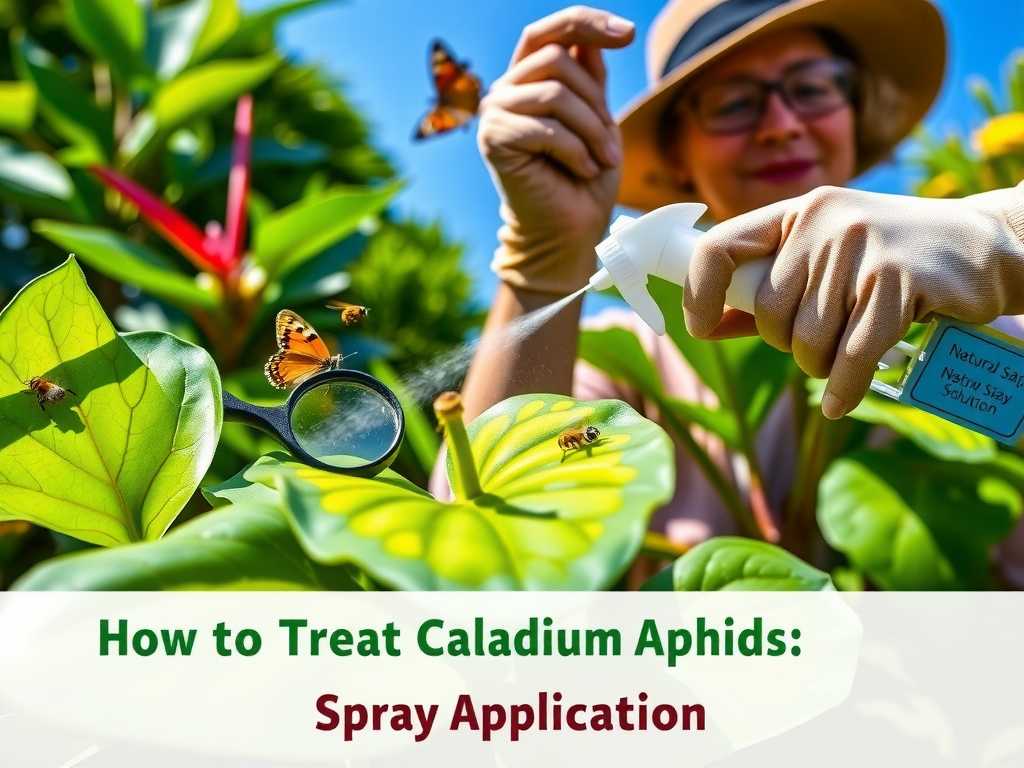
Before you treat any problem, you need to understand it. The aphids targeting caladiums are typically green or black and are drawn to the succulent sap of the plant’s stems and leaves. They pierce the plant tissue and suck out the fluids, which causes the characteristic leaf curling and distortion. Worse, they excrete a sugary substance called honeydew, which can lead to sooty mold—a black, fungal growth that further stresses the plant by blocking sunlight. According to the Royal Horticultural Society (RHS), aphids can reproduce rapidly, so early intervention is key to preventing a full-blown infestation.
Why I Chose Insecticidal Soap Spray
When considering how to get rid of caladium aphids, the options can be overwhelming. Systemic pesticides work but can affect beneficial soil life. Neem oil is popular, but it requires careful timing to avoid leaf burn. I settled on insecticidal soap because of its straightforward mode of action and safety profile. The American Horticultural Society (AHS) notes that insecticidal soaps work by breaking down the protective outer coating (cuticle) of soft-bodied insects like aphids, causing them to dehydrate and die. It’s a contact killer with minimal residual effect, making it safer for pollinators once it dries. My goal was a targeted, gentle yet effective approach.
My Step-by-Step Soap Spray Application Process
Here is the exact regimen I followed, refined through trial and error over a 14-day period.
Gathering the Right Materials
My first attempt failed because I used the wrong “soap.” I grabbed a bottle of dish detergent, which contains degreasers, dyes, and fragrances that can severely damage delicate caladium leaves. Lesson learned. For the proper treatment, you will need:
- Pure Castile Liquid Soap: This plant-based soap is mild and free of additives. I used an unscented version.
- Soft, Tepid Water: Hard water can reduce effectiveness. I used filtered water.
- A Clean Spray Bottle: I dedicated one bottle solely for this purpose to avoid chemical contamination.
- A Soft Cloth or Cotton Swabs: For gentle wiping.
- A Small Bucket: For the washing solution.
Mixing the Perfect Solution
The concentration is critical. Too weak, and it’s ineffective; too strong, and you risk phytotoxicity (plant damage). The RHS recommends a solution of around 2%. Here’s my proven recipe:
- Fill your one-gallon spray bottle with 1 quart of tepid water.
- Add 1 to 2 teaspoons of pure Castile soap. I started with 1.5 tsp as a middle ground.
- Gently swirl the bottle to mix. Avoid shaking vigorously, as this creates too many suds.
- Label the bottle clearly with the contents and date.
The Pre-Spray Inspection and Prep
I didn’t do this initially and missed many aphids. Now, I always start here:
- Isolate the Plant: If possible, move your caladium away from others to prevent the aphids from spreading.
- Visual Inspection: Under bright light, carefully examine every leaf—topside and, especially, underside. Note the most heavily infested areas.
- Initial Physical Removal: For heavy clusters, I put on gloves and gently dislodged aphids with a damp cotton swab or a soft jet of plain water from a spray bottle. This reduces the population the soap needs to tackle.
Application: Technique is Everything
This is where precision matters most for aphid control on caladiums.
- Test First: I cannot stress this enough. I sprayed the solution on a small, inconspicuous part of one leaf and waited 24 hours. No discoloration or burning meant it was safe to proceed.
- Time it Right: Always apply in the early morning or late evening. Spraying in direct, hot sun can cause droplets to act like magnifying glasses and burn the leaves.
- Thorough Coverage: Holding the spray bottle 6-8 inches away, I misted every inch of the plant, paying obsessive attention to the undersides of leaves and leaf axils (where the leaf meets the stem). The goal is to coat the insects directly. I avoided drenching the soil excessively.
- The Gentle Wash: For leaves with heavy honeydew residue, I used a separate bucket with the same soap solution and a soft cloth. I gently supported the leaf from underneath and wiped the surface clean. This immediately removes the sticky layer and many pests.
The Crucial Follow-Up and Reapplication
A single spray won’t win the war. Aphids hide and reproduce quickly.
- Let it Sit: I allowed the soap spray to sit on the foliage for about 1-2 hours. This is the effective contact period.
- Rinse (Optional but Recommended): After the contact time, I gently rinsed the leaves with clean, tepid water to wash away any soap residue and dead aphids. This step helps prevent potential leaf sensitivity.
- Reapplication Schedule: I repeated the entire process every 3-4 days. Why? Soap doesn’t affect eggs. This schedule breaks the life cycle by killing newly hatched nymphs before they can mature and reproduce. I committed to this for two full weeks.
My Two-Week Observation Log and Results
- Day 1-3 (Initial Application): After the first spray and rinse, I immediately saw a significant reduction in visible, active aphids. The honeydew felt less tacky. No leaf damage from my properly diluted mix.
- Day 4 (Second Application): Found a few live aphids on new, unfurling leaves. This confirmed the need for repeat treatments. Sprayed again, focusing on new growth.
- Day 7 (Third Application): The population was clearly dwindling. Only isolated insects were found. The existing leaf curl damage remained (this does not reverse), but no new distortion appeared.
- Day 10 (Fourth Application): A thorough inspection revealed only one or two aphids. The plant’s overall demeanor seemed improved—less stressed.
- Day 14 (Final Check): After four applications over two weeks, I declared the infestation controlled. Zero live aphids were found. The caladium began putting out a healthy, new, perfectly formed leaf—the ultimate sign of recovery.
Common Pitfalls and How I Solved Them
- Leaf Burn: My first attempt with dish soap caused yellow speckling. Solution: I immediately rinsed the leaves and switched to pure Castile soap. Damaged leaves won’t recover, but the plant will outgrow them.
- Ineffective Control: After my first spray, aphids came back quickly. Solution: I realized I was not being thorough enough with coverage, especially under leaves, and I was not adhering to the strict 3-4 day reapplication schedule. Consistency and completeness are non-negotiable.
- Stressed Plant: The caladium looked droopy after the first treatment. Solution: I moved it to a shaded, sheltered spot for 48 hours after each treatment to reduce environmental stress while it recovered.
Preventing Future Aphid Infestations
Treatment is half the battle. To keep your caladiums aphid-free:
- Regularly Inspect: Make checking leaf undersides part of your weekly watering routine.
- Encourage Beneficial Insects: I planted nectar-rich flowers nearby to attract ladybugs and lacewings, natural aphid predators.
- Avoid Over-Fertilizing: Excess nitrogen promotes the soft, succulent growth that aphids love. I use a balanced, slow-release fertilizer.
- Maintain Plant Health: A strong, well-watered (but not overwatered) caladium in appropriate light is more resistant to pests.
Will soap spray kill aphid eggs? No, and this is the most important reason for the repeated application schedule. The soap spray is only effective on the soft-bodied nymphs and adults. By spraying every 3-4 days, you interrupt the life cycle by eliminating the new generations as they hatch before they can lay more eggs.
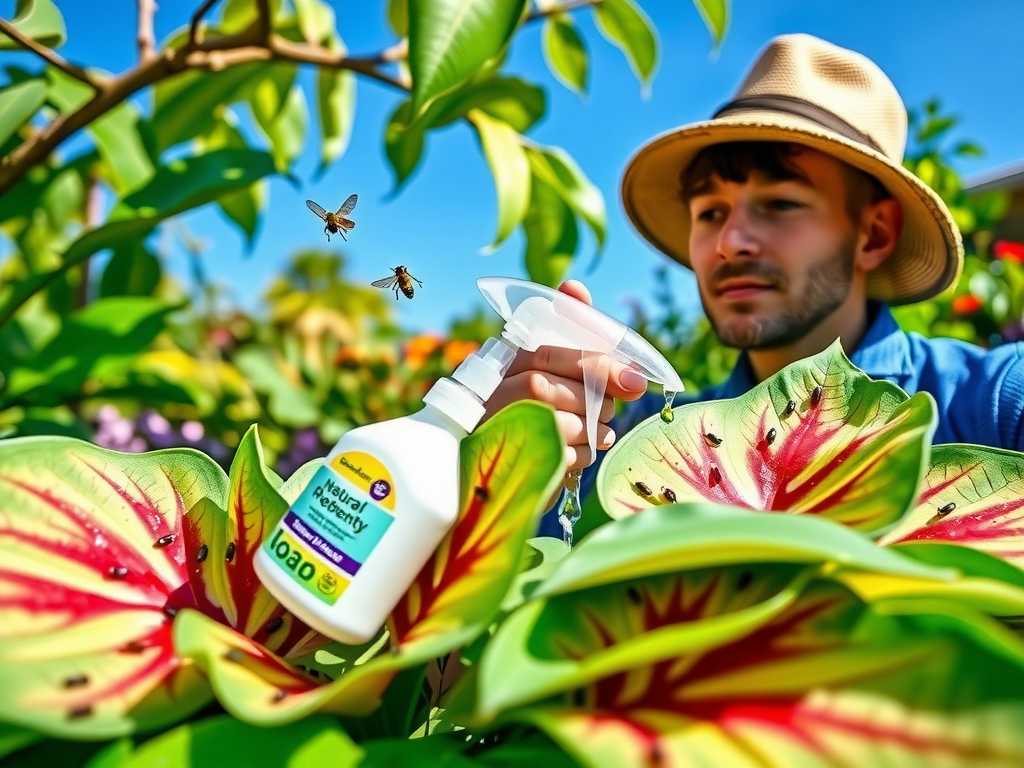
Is this method safe for my other houseplants? Yes, the same diluted Castile soap solution is generally safe for most houseplants with smooth leaves. However, always perform a 24-hour patch test on a single leaf of any new plant species, especially those with fuzzy or delicate foliage like African violets or ferns, as they can be more sensitive.
Can I use this spray outdoors on my garden caladiums? Absolutely. The same principles apply. Apply in the early morning or late evening to protect beneficial insects like bees (who are not active then) and to prevent sunburn. Be even more mindful of rinsing if rainfall isn’t expected, as residual soap can linger.
Seeing that first new, perfectly formed, vibrant leaf emerge after the battle was incredibly rewarding. Using a soap spray to treat caladium aphids requires patience, attention to detail, and a commitment to the process, but it is profoundly effective. It’s a method that respects the plant, the environment, and your peace of mind. By understanding the pest, mixing the solution correctly, applying it with care, and following through consistently, you can absolutely save your caladiums and enjoy their spectacular foliage all season long.





