 bluename
 How to Identify Caladium Aphids: A Tiny Pest Check That Saved My Plants
I’ll be honest. For weeks, I watched my prized ‘White Christmas’ caladiums lose their vibrancy. The leaves, usually a stunning canvas of white and green, were becoming stippled with pale yellow spots and seemed to lack their usual vigor. I checked for overwatering, adjusted the light, but the decline continued. It wasn't until I examined the undersides of the leaves with a magnifying glass that I saw them: clusters of tiny, pear-shaped insects. My beautiful plants were under siege by caladium aphids. If you're seeing similar distress signals in your own garden, this detailed guide, born from my two-week battle and eventual victory, will show you exactly how to identify caladium aphids and what to do about them.
Understanding the Enemy: What Are Caladium Aphids?
Aphids are soft-bodied sap-sucking insects, and certain species have a particular fondness for the lush foliage of caladiums. They are often called plant lice. These tiny pests on caladium leaves congregate on the undersides of leaves and along tender new stems, where they pierce plant tissues and feed on the nutrient-rich sap.
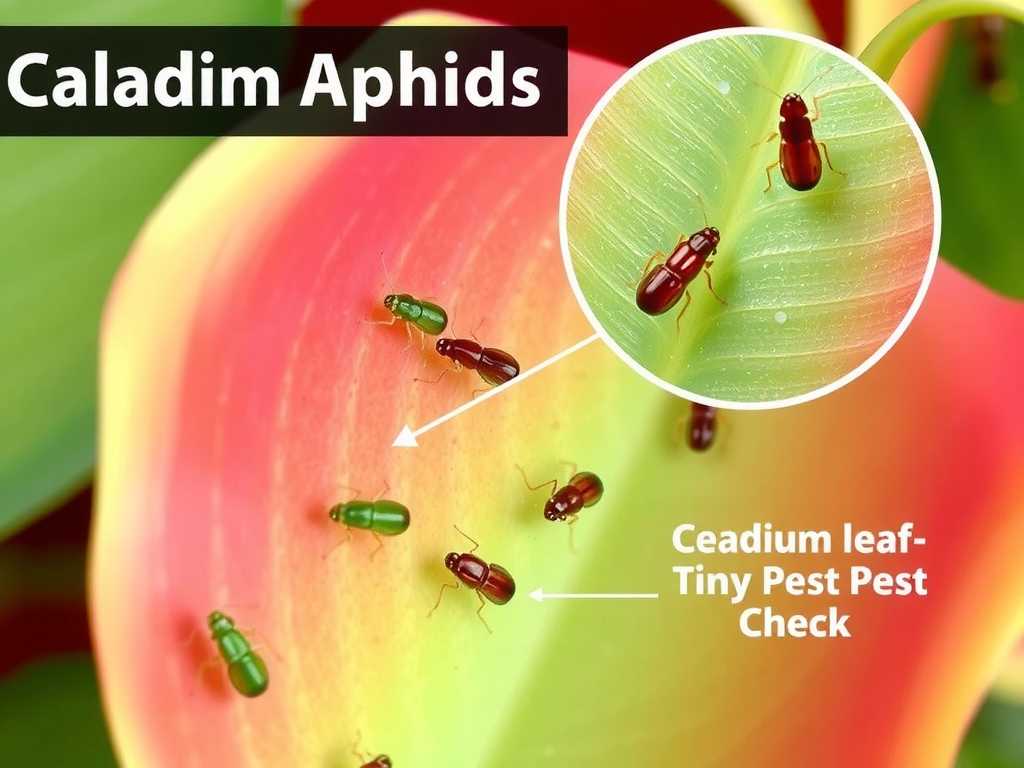
According to the Royal Horticultural Society (RHS), a single aphid can produce dozens of offspring in a short period, which is why an infestation seems to explode overnight. Their feeding directly causes the yellowing and distortion I observed. But the damage doesn’t stop there.
The Telltale Signs: A Step-by-Step Visual Inspection Guide
You don’t need to be an entomologist to spot these invaders. A careful, methodical check is your best defense. Here is the exact process I followed.
Step 1: Gather Your Tools
All you need is a good light source and a 10x magnifying glass or jeweler’s loupe. I also kept a notepad and my phone’s camera handy to document what I found.
Step 2: The Underside Investigation
This is the most critical step. Gently turn over every leaf, starting with those showing discoloration. Aphids prefer the shelter here. Look for:
- Clusters of small, soft-bodied insects: They can be green, black, yellow, or even pinkish.
- Cast skins: As they grow, aphids shed tiny, white, papery skins that accumulate around the colony.
- The presence of ants: Ants are often “farming” aphids for their sweet, sticky excrement called honeydew. Seeing a trail of ants on your caladium pot is a major red flag.
Step 3: Check the Growing Points and Stems
Examine where new leaves are unfurling and along the leaf stems (petioles). These tender areas are prime feeding grounds.
Step 4: Look for Secondary Symptoms
The aphids themselves are just part of the story. Confirm your find by looking for the consequences of their feast:
- Honeydew: This shiny, sticky residue on leaves is a clear indicator.
- Sooty Mold: A black, powdery fungus that grows on the honeydew, further blocking sunlight from the leaf.
- Distorted Growth: New leaves may emerge curled, puckered, or stunted.
My Two-Week Observation and Treatment Journal
I decided to tackle the infestation without immediately resorting to harsh chemicals, documenting the effects over a 14-day period.
Days 1-3: Initial Action and The First Mistake After identification, I immediately isolated the affected plants. My first attempt was a homemade spray of water and a few drops of dish soap. I sprayed thoroughly, drenching the undersides. The initial result was promising—many aphids were washed away. The Pitfall I Hit: By day 3, the population had bounced back. I realized my mixture was too weak, and I had failed to repeat the application consistently. The soap also left a slight film on the leaves. The American Horticultural Society (AHS) notes that while soap sprays can be effective, they must contact the pest directly and applications need to be repeated every few days to break the life cycle.
Days 4-10: Escalating the Response I switched to a ready-to-use insecticidal soap, following the label instructions meticulously. I applied it in the cooler evening hours to prevent leaf burn. Every other day, I would take the plants to the sink and use a strong jet of water to physically dislodge aphids before reapplying the soap spray. This physical removal was a game-changer. The Solution That Emerged: Consistency was key. This one-two punch of physical disruption and targeted organic pesticide started to show real results by Day 7. New growth appeared cleaner, and the sticky honeydew began to diminish.
Days 11-14: Assessment and Vigilance By the end of the second week, the active, visible infestations were gone. I continued to inspect every other day but stopped spraying. I introduced a small population of ladybugs (purchased from a garden center) as a natural control measure. The plants’ new leaves were growing in normally, without distortion. The battle was won, but the war for vigilance had just begun.
Beyond Identification: Integrated Pest Management for Caladiums
How to get rid of aphids on caladiums effectively requires a sustainable strategy, not just a one-time fix.
- Prevention is Paramount: Keep your plants healthy. A stressed caladium is a target. Ensure proper watering (allowing the top inch to dry out) and provide bright, indirect light. Regularly wipe leaves with a damp cloth to deter pests.
- Encourage Beneficial Insects: Plant companions like marigolds, dill, or fennel to attract ladybugs, lacewings, and hoverflies—all natural aphid predators.
- Use Targeted Controls Judiciously: When needed, insecticidal soaps or neem oil (a botanical insecticide) are effective options with lower environmental impact. Always test on a small area first and apply as directed.
Common Questions from Fellow Plant Lovers
Can aphids kill my caladium plant? While a severe, unchecked infestation can severely weaken and potentially kill a caladium, especially a young one, most often they cause stunted growth and cosmetic damage. The real threat is the sooty mold and potential viruses they can spread. Early identification and action are crucial to prevent long-term harm.
I see the sticky honeydew but no bugs. What’s happening? You might be missing them! Aphids can be incredibly tiny and blend in with leaf veins. Use that magnifying glass and look more closely, especially at the very base of the stem and where leaves join. Alternatively, the infestation may have been previously treated, or another sap-sucking insect like scale could be the culprit.
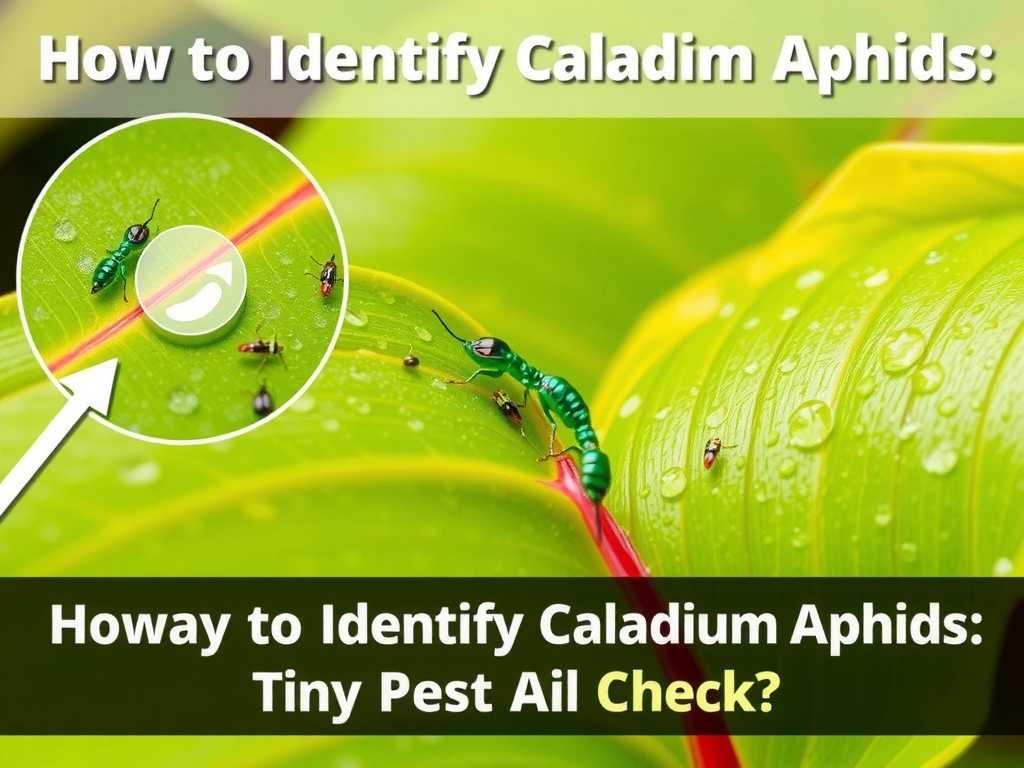
How often should I check my plants for prevention? Make it part of your regular watering routine. Once a week, quickly turn over a few leaves on each plant, paying special attention to any new growth. This regular check for caladium pests takes less than a minute per plant but can help you catch an issue when it’s just beginning, making control infinitely easier.
Spotting those tiny, sap-sucking pests early made all the difference for my collection. What started as a frustrating mystery became a valuable lesson in close observation and consistent, gentle care. Remember, the goal isn’t a sterile garden, but a balanced one. By learning how to identify caladium aphids and acting promptly with a multi-pronged approach, you can protect the stunning beauty of your foliage and enjoy healthy, thriving plants all season long. Your caladiums will thank you for the extra attention.





