 bluename
 How to Clean Caladium Leaves with Soap: A Step-by-Step Guide for Safe Pest Removal
There’s nothing more disheartening than seeing your stunning caladium’s leaves, those vibrant canvases of color, become dulled by dust or, worse, riddled with tiny, sap-sucking pests. I’ve been there, staring at the delicate, heart-shaped foliage, afraid to touch it for fear of causing damage. Harsh chemicals were out of the question—these are sensitive plants. After much trial and error, I perfected a gentle yet effective method: cleaning caladium leaves with soap for pest removal. This guide is the culmination of my hands-on experience, a safe, step-by-step process that rescued my plants and can rescue yours too.
Why Soap is a Game-Changer for Caladium Pest Control
Before we dive into the how, let’s talk about the why. Insecticidal soap isn’t just any soap; it’s a specially formulated, potassium salt-based product designed to disrupt the cell membranes of soft-bodied pests like aphids, spider mites, mealybugs, and thrips—common culprits on caladiums. According to resources from the RHS (Royal Horticultural Society), soaps are a valuable tool in an integrated pest management plan, offering a less persistent environmental impact than many synthetic insecticides.
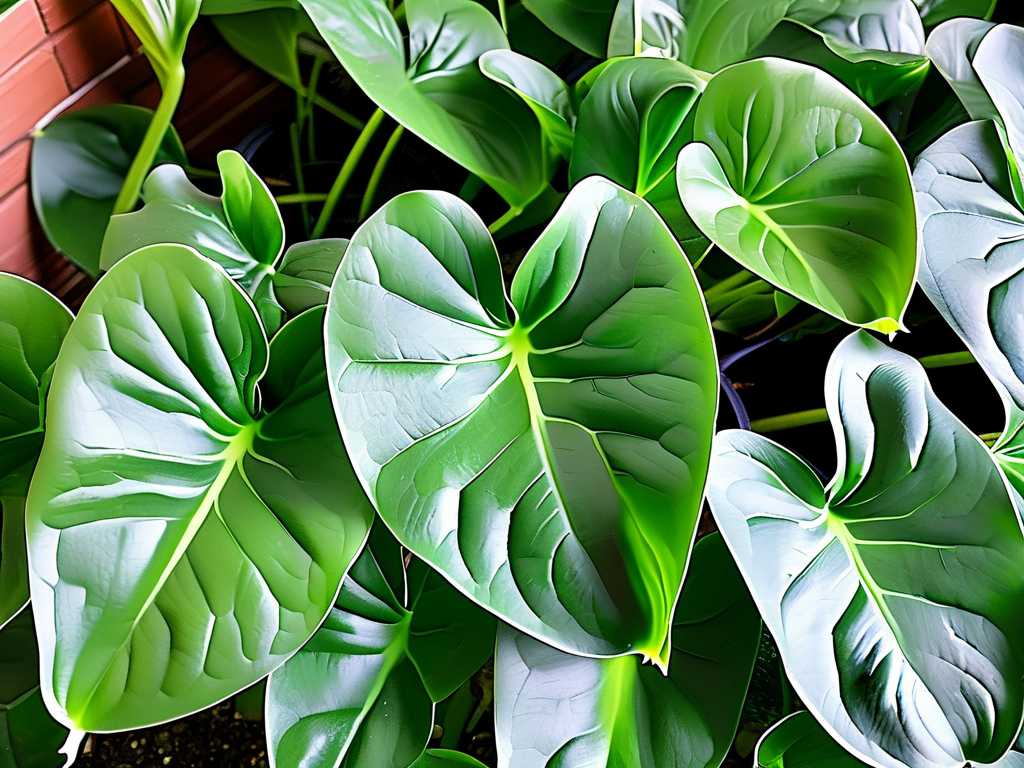
For our delicate caladiums, this is crucial. Their thin leaves are prone to chemical burn. A mild soap solution, when applied correctly, removes pests effectively without leaving a harmful residue that could compromise the plant’s health or stunning appearance. It’s about working with the plant’s nature, not against it.
What You’ll Need: Gathering Your Supplies
Preparation is key. Using the wrong products can do more harm than good. Here’s exactly what I use:
- Insecticidal Soap: This is non-negotiable. Do not use dish detergents, hand soaps, or laundry soaps. They contain degreasers, fragrances, and other additives that can strip the natural oils from your caladium leaves, causing severe damage. I use a commercially prepared, ready-to-dilute insecticidal soap.
- Distilled or Lukewarm Water: Tap water can contain minerals and chlorine. I prefer distilled water to avoid any chance of leaf spot from harsh minerals, especially if you have hard water.
- A Clean, Soft Spray Bottle: Dedicate one for plant care only.
- Soft Cloths or Sponges: Microfiber cloths are excellent. For very delicate or newly unfurled leaves, I sometimes use soft makeup brushes or cotton swabs.
- A Bowl for Your Solution.
- Patience and a Good Eye.
My Step-by-Step Process: How to Clean Caladium Leaves with Soap
This is the exact routine I followed, which I repeated over a two-week period to break the pest life cycle.
Step 1: Isolation and Initial Inspection The moment I spotted a few aphids on one caladium, I immediately moved it away from my other houseplants. Pest infestations spread fast. I placed it in a well-lit, spacious area where I could work easily. Then, I did a thorough inspection, checking the undersides of leaves and along the stems—their favorite hiding spots.
Step 2: Preparing the Perfect Soap Solution Following the label instructions on my insecticidal soap is paramount. The general rule is about 1-2 tablespoons of soap per gallon of water, but concentrations vary. I mixed mine in a bowl: 1 teaspoon of insecticidal soap to 1 liter of distilled water. The golden rule: always test on a single leaf first. I applied a small amount to an inconspicuous part of one leaf, waited 24 hours, and checked for any adverse reaction (yellowing, browning). None occurred, so I proceeded.
Step 3: The Gentle Application – Spray and Wipe Method I lightly misted the entire plant, ensuring I got a fine coating on the tops and, most importantly, the undersides of every leaf. I avoided drenching the soil to prevent over-moisture. Then, I waited about 5-10 minutes. This allows the soap solution to work on suffocating and destabilizing the pests.
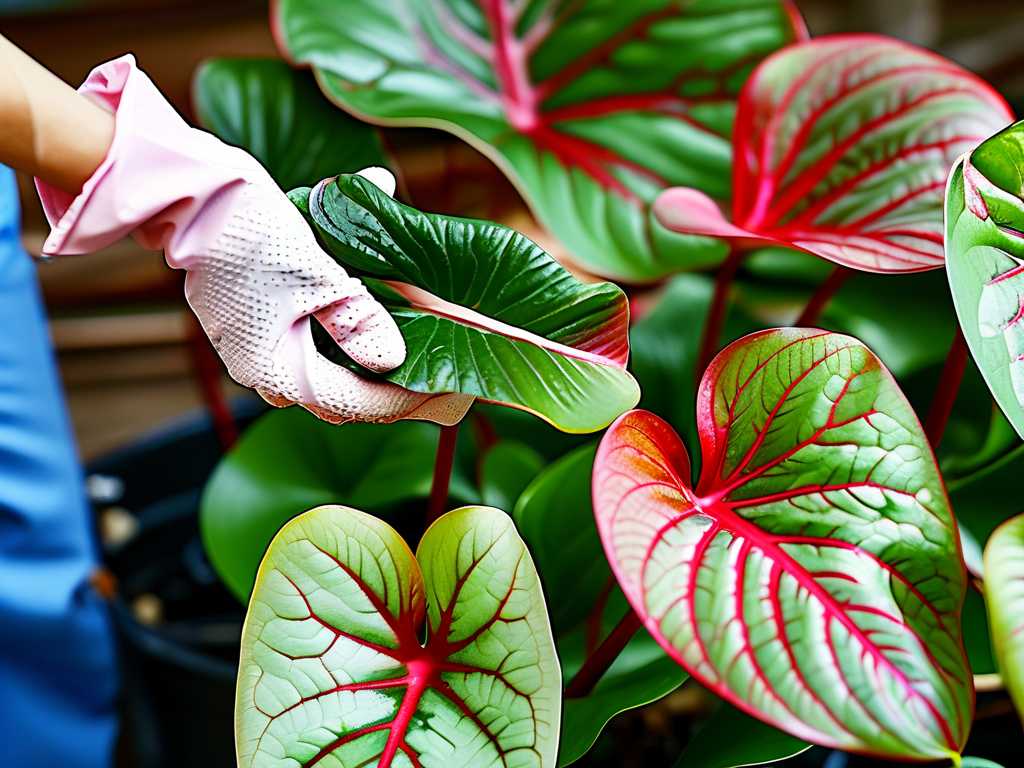
After the short wait, I took my soft, damp cloth and gently wiped each leaf. I supported the leaf from underneath with my hand to prevent tearing. This physical action dislodges and removes the pests and any residual honeydew (the sticky substance they secrete).
Step 4: The Rinse (The Step I Initially Skipped – And Regretted) Here’s a critical pitfall I encountered. The first time I tried this, I didn’t rinse the leaves. A thin, invisible soap film remained. After a few days, I noticed some leaves, particularly those in brighter light, developed small, dry, brown patches—a sign of minor soap residue burn.
The Fix: Now, I always do a gentle rinse. 20-30 minutes after wiping, I use a spray bottle with clean, distilled water to lightly mist the leaves again, “rinsing” off any remaining soap. Then, I gently pat the leaves dry with a fresh, soft cloth to prevent water spots and reduce the risk of fungal issues. This made all the difference.
Step 5: Repeat Treatment and Monitoring Pest eradication is not a one-and-done task. Eggs can hatch days later. I repeated this entire soap wash for caladium pest control every 4-5 days for two weeks. This consistent approach ensured I eliminated newly hatched nymphs before they could mature and reproduce.
The Two-Week Observation: What Happened to My Caladiums
The transformation was gradual but definitive.
- Days 1-3: After the first treatment, visible adult pests were gone. The leaves looked cleaner but I stayed vigilant.
- Days 4-7 (After Second Treatment): I inspected daily with a magnifying glass. I found a few tiny, newly hatched spider mites on one leaf during the second treatment, confirming the need for repetition. No new damage appeared.
- Days 8-14 (After Third & Fourth Treatments): By the end of the two weeks, the plant was completely pest-free. The leaves regained their natural, glossy sheen without the dulling film of dust or honeydew. Most importantly, there was no damage to the delicate caladium foliage from the cleaning process itself, thanks to the final rinse step I incorporated.
Common Mistakes to Avoid (Learn From My Errors)
- Using Harsh Soaps: As mentioned, this is the biggest risk. Stick to plant-specific insecticidal soap.
- Cleaning in Direct Sunlight: Water droplets can act as magnifying glasses. Always clean your plant in indirect light or shade.
- Over-Saturating the Soil: Protect the soil with a plastic cover while spraying.
- Skipping the Leaf Undersides: This is where pests live. Missing them renders the treatment useless.
- Forgetting to Rinse: My key lesson. A quick rinse prevents potential residue damage.
Boosting Plant Health for Long-Term Pest Resistance
The AHSA (American Horticultural Society Alliance) emphasizes that healthy plants are more resistant to pests. After my caladium recovered, I focused on its core needs: bright, indirect light, consistent soil moisture without waterlogging, and balanced, diluted fertilization during the growing season. A stressed plant is a magnet for problems.
How often should I wash my caladium leaves with soap for prevention? Only when you see active pests. Do not use soap as a regular leaf cleaner. For routine dust removal, simply wipe leaves with a damp cloth of plain water every few weeks.
Can I use this soap method on other houseplants? Absolutely. It is effective for many plants with smooth leaves (e.g., Monsteras, Philodendrons). Always test on a small area first, especially for plants with fuzzy, hairy, or very waxy leaves, as they can be more sensitive.
What if the soap treatment doesn’t work after two weeks? If a severe infestation persists, you may need to identify the specific pest accurately (using online guides or local extension services) and consider combining the soap treatment with other methods, like neem oil (applied separately, not mixed), or introducing biological controls like predatory mites for persistent spider mite issues. Isolation remains critical to prevent spread.
Cleaning your caladium’s leaves with insecticidal soap is a powerful, gentle act of care. It requires attention to detail—the right product, a methodical approach, and the patience to follow through. By embracing this process, you’re not just removing pests; you’re restoring the vibrant, healthy glow that makes these plants so captivating. Your caladium will thank you with a stunning display of clean, pest-free color.





