 bluename
 How to Rotate Caladiums: Your Complete Guide to Even, Balanced Growth
There’s a special kind of frustration that only a plant lover can understand. You’ve found the perfect spot for your caladium—bright, indirect light, just like the care tag said. Its leaves are vibrant, a stunning mosaic of pink, red, and green. But after a few weeks, you notice it. A subtle lean. Then, a definite tilt. One side is lush and full, reaching eagerly toward the window, while the other side seems shy, with smaller leaves and longer stems stretching awkwardly. Your beautiful, heart-shaped foliage is becoming lopsided. If you’ve ever wondered, “Why is my caladium growing sideways?” or searched for a way to fix uneven caladium growth, you’re in the right place. I’ve been there, staring at my favorite ‘White Queen’ as it slowly resembled the Leaning Tower of Pisa. Through trial, error, and a dedicated two-week experiment, I perfected the simple art of rotation. This guide will walk you through exactly how to rotate caladiums for even growth, sharing the steps that worked, the mistakes I made, and the undeniable results.
Understanding Why Your Caladium Goes Lopsided
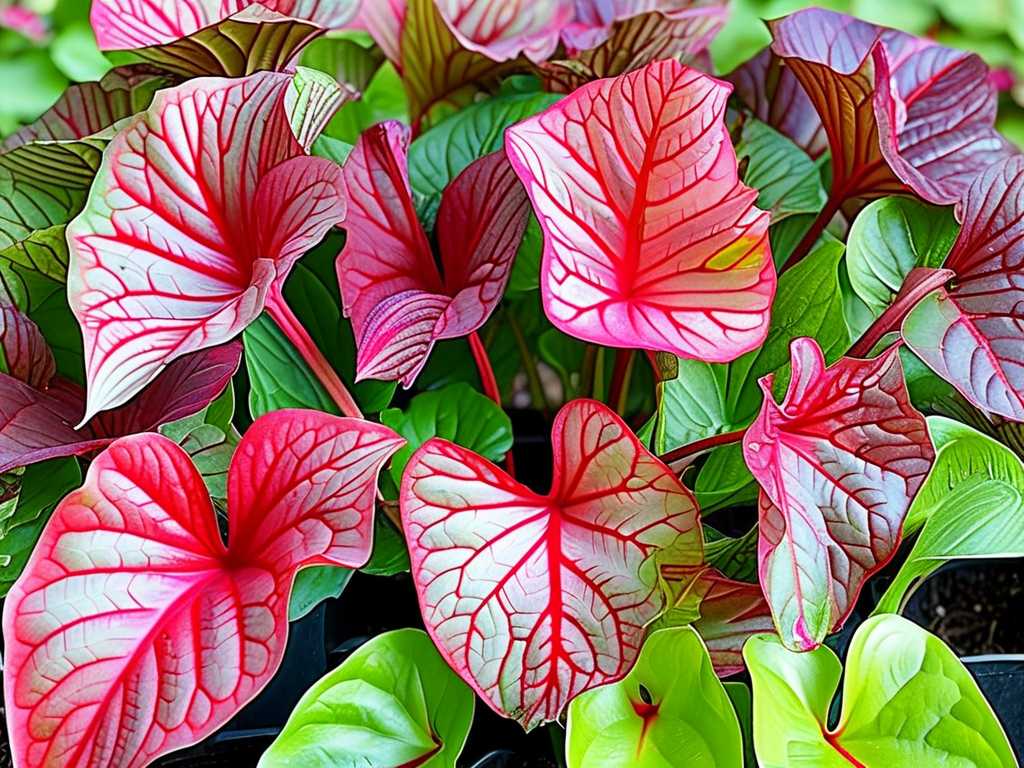
Before we fix the problem, let’s understand it. Caladiums, like most plants, exhibit a behavior called phototropism. This is their innate growth response toward a light source. It’s a survival mechanism. In their natural habitat under forest canopies, they stretch for dappled sunlight. In our homes, that single window or lamp becomes their sun. The cells on the shaded side of the stem actually grow longer, causing the stem to bend and the leaves to reorient toward the light. The result? All the glorious foliage crowds one direction, leaving the “back” of the plant looking sparse and stemmy. This isn’t just an aesthetic issue. An uneven plant can become top-heavy and physically unstable. Furthermore, as the Royal Horticultural Society (RHS) notes, consistently uneven light exposure can lead to uneven resource distribution, potentially stressing the plant over the long term.
My Step-by-Step Rotation Protocol for Perfect Symmetry
I decided to treat my lopsided caladium not as a problem, but as a project. I committed to a disciplined rotation routine and observed its effects daily for two weeks. Here’s the exact process I followed.
Gathering Your Simple Tools You don’t need much. A gentle touch is your primary tool. Have a soft cloth ready to wipe dust off leaves during the process (dust blocks light!), and a small notepad or phone reminder to track your schedule. That’s it.
The Golden Rule: Consistency and Direction The most crucial step is establishing a routine. Haphazard turning does more harm than good, confusing the plant’s growth pattern. I adopted the quarter-turn method. Every time I watered my caladium—which was approximately once a week when the top inch of soil felt dry—I would also give the pot a gentle quarter turn (90 degrees) in the same direction. I always turned it clockwise. This consistent, predictable rotation ensures every side of the plant receives equal time facing the prime light source over a monthly cycle.
A Critical, Often-Missed Step: The Leaf Adjustment Here’s where I made my first big mistake. I would diligently turn the pot, but the large, tender leaves would often remain twisted, their stems criss-crossed, still oriented toward their original light direction. I learned that after rotating, I needed to gently adjust the leaves and petioles (stems). I’d carefully spread them out, encouraging them to face outward from the center of the pot. This manual guidance, done with extreme care to avoid snapping the fragile stems, helped the plant reorient its canopy much faster. Think of it as helping a friend adjust their posture after they’ve been sitting in one position for too long.
Documenting the Two-Week Transformation I started my experiment on a Monday. My ‘White Queen’ was severely tilted to the right, its left side noticeably bare.
- Days 1-3: After the first quarter-turn and leaf adjustment, little visible change occurred. The new, smaller leaves on the shaded side seemed slightly perkier.
- Days 4-7 (First Full Week): After the second watering and rotation, the tilt was less pronounced. The most exciting development was on the previously shaded side: I spotted two new leaf spikes (called cataphylls) emerging from the tubers. The plant was directing energy to the undergrowth!
- Days 8-10: The original lean was almost completely corrected. The new leaves on the once-sparse side were unfurling, and their stems grew straight up instead of at an angle.
- Days 11-14: By the end of the second week, my caladium was visibly more symmetrical. The canopy was fuller and more balanced. While the older, originally tilted leaves would never fully straighten their stems, the overall presentation was dramatically improved. The plant looked healthier, sturdier, and far more beautiful.
Common Pitfalls and How I Solved Them
My journey wasn’t without stumbles. Here’s what went wrong and how you can avoid it.
1. Over-Rotating and Causing Stress. In my initial enthusiasm, I thought, “If a little is good, more must be better!” I started turning the pot a little every other day. Bad idea. The American Horticultural Society (AHS) advises that while rotation is beneficial, sudden and frequent changes can disorient plants and slow overall growth. I noticed the newest leaves seemed confused, growing in odd directions. The Fix: I immediately returned to the steady, weekly quarter-turn schedule tied to watering. Within a week, new growth resumed a normal, upward pattern.
2. Ignoring the Overall Light Source. I was rotating a plant that was in a relatively low-light corner. Rotation can’t compensate for insufficient light. The plant remained leggy, just evenly leggy on all sides! The Fix: I moved the plant to a brighter location with strong, filtered light from a north-east facing window. Combined with rotation, this was the game-changer. The leaves became denser and colors more vibrant, proving that rotation is a supplement to good core care, not a replacement for it.
3. Forgetting to Rotate All Your Plants. I was so focused on my flagship caladium that I neglected the others. Soon, I had a collection of plants all leaning in different directions like a chaotic dance. The Fix: I instituted a “Watering Wednesday” routine where I water, check for pests, wipe leaves, and rotate all my light-loving plants. It’s now a seamless part of my care ritual.
Advanced Tips for the Dedicated Plant Parent
Once you’ve mastered the basics, consider these steps for next-level care.
- Seasonal Adjustments: Light intensity and direction change with the seasons. In summer, when my light is stronger, I might rotate slightly more frequently. In darker winter months, I ensure the plant is as close to the light source as safely possible and am extra consistent with my turns.
- Combating Legginess: If your caladium is already very stretched (etiolated), rotation will prevent it from getting worse, but it won’t shorten existing stems. For a severely leggy plant, some experts recommend a more radical approach: as the growing season ends, you can allow the plant to go dormant and then ensure the tuber is planted upright and centered when it resprouts, giving you a fresh start for symmetrical growth.
Frequently Asked Questions
Can I fix a caladium that is already severely leaning? Yes, absolutely. Start the consistent quarter-turn rotation immediately. The new growth will come in straight and full, gradually balancing the plant’s appearance. You can also stake the main leaning stem loosely for temporary support, but be careful not to damage the tuber. The older, bent leaves will not straighten, but they will eventually be replaced by new, upright growth.
How often should I rotate my caladium for the best results? The sweet spot for promoting even growth in caladiums is a consistent, weekly quarter-turn. I tie it to my watering schedule. This provides a predictable light cycle for the plant without causing the stress of constant change. Mark your calendar or set a phone reminder until it becomes a habit.
Does rotating caladiums really make a difference, or is it just for looks? It makes a profound difference for both health and aesthetics. From a health perspective, even light exposure promotes balanced photosynthesis and resource allocation across all parts of the tuber, leading to a stronger, more resilient plant. Aesthetically, it creates that coveted, lush, and symmetrical display that showcases the stunning leaf patterns from every angle. It’s a simple five-second task with a massive payoff.
Watching my caladium transform from a lopsided struggler to a balanced, proud centerpiece was incredibly rewarding. The key takeaways are simple: be consistent, be gentle, and pair rotation with good foundational care. Your caladium’s instinct is to reach for the light. By rotating it regularly, you gently guide that instinct, encouraging it to grow into its most full and beautiful self. Give the quarter-turn method a try for just a few weeks. You’ll likely find, as I did, that this tiny habit reshapes not only your plant but your entire approach to nurturing indoor greenery.





