 bluename
 How to Grow Caladiums Without Natural Light: Grow Light Care
I love caladiums. Their vibrant, heart-shaped leaves feel like living art in my home. But for years, I struggled. My apartment has limited natural light—just a few north-facing windows that leave my plants leggy and pale. I watched each new leaf emerge with less color, more green, until they barely resembled the stunning specimens I bought. The core problem was clear: caladiums need bright, indirect light to thrive, and my home simply couldn’t provide it. I was ready to give up on these tropical beauties until I discovered a game-changer: grow light care. This is my complete, step-by-step guide on how to grow caladiums without natural light, born from two weeks of intense experimentation, careful observation, and a few costly mistakes.
Understanding Caladium Light Needs: Why Sunlight Isn't the Only Option
Before plugging in any light, I had to understand what I was replicating. Caladiums, native to the tropical rainforests of South America, flourish under the dappled, bright canopy. They don't want direct, scorching sun, but they crave intense, filtered light for 6-8 hours daily. This light fuels the spectacular coloration in their leaves. Without it, the plant prioritizes survival over beauty, producing smaller, greener leaves to maximize chlorophyll for basic functions.
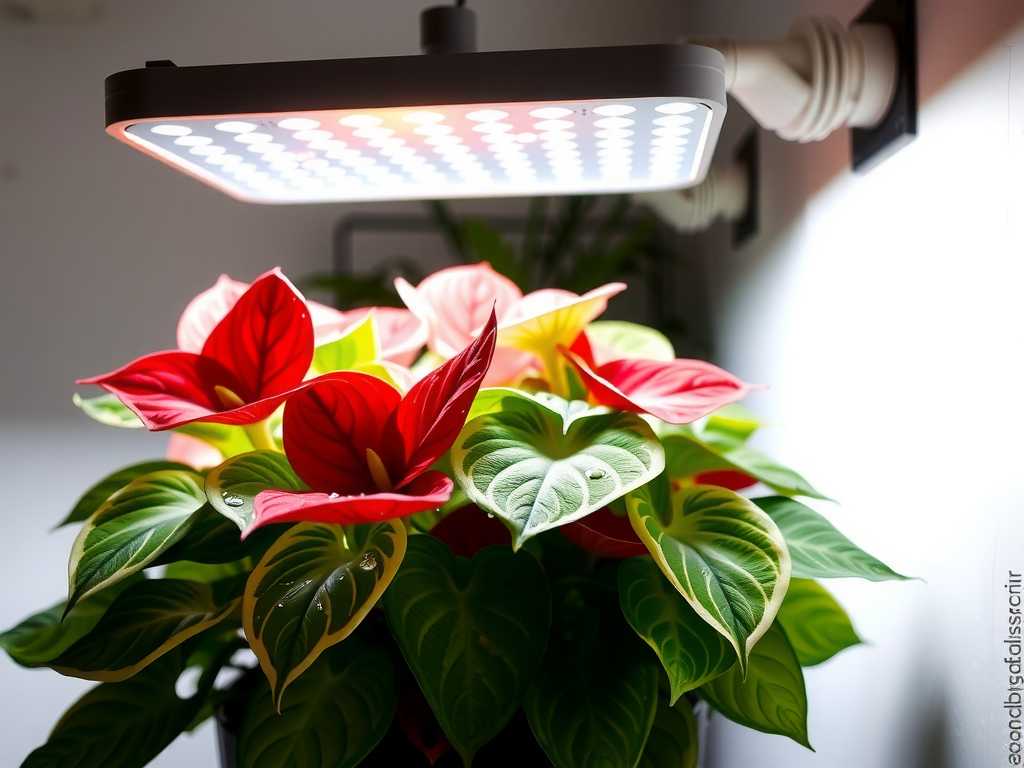
This is where grow lights become not just a supplement, but a primary light source. According to research cited by the American Horticultural Society (AHS), modern full-spectrum LED grow lights can effectively mimic the photosynthetic active radiation (PAR) that plants need, allowing for successful cultivation in windowless rooms. The key is choosing the right spectrum and intensity.
My Gear: Selecting the Perfect Grow Light Setup
My first mistake was using a cheap, blurple (red/blue) LED panel I had for seedlings. After one week, my caladiums looked stressed. The leaves seemed washed out. I learned that while red and blue light are crucial for photosynthesis, caladiums need the full spectrum—including whites and greens—to develop their full, rich leaf coloration and support overall plant health.
I switched my setup based on advice from indoor gardening communities and the principles of the Royal Horticultural Society (RHS), which emphasizes light quality. Here’s what worked:
- The Light: I invested in a high-quality, full-spectrum LED grow light bar that emitted a balanced, white light with a high Color Rendering Index (CRI). This made my plants look natural to my eye and provided all the wavelengths they needed.
- Intensity & PPFD: I paid attention to Photosynthetic Photon Flux Density (PPFD), which measures light intensity at the plant level. For caladiums, a PPFD of 100-200 µmol/m²/s is ideal for maintenance, while 200-350 can promote vigorous growth. I used a light meter app (a rough guide) to position my light.
- Setup: I mounted the light bar on an adjustable stand above a dedicated plant shelf. This allowed me to fine-tune the distance, which is critical.
The Two-Week Experiment: A Daily Log of Grow Light Care
I committed to a strict, 14-day regimen with two established but struggling caladium varieties: a ‘White Queen’ and a ‘Red Flash’.
Days 1-3: Setup and Adjustment I set the light 18 inches above the plants, providing a PPFD in the target range. I programmed my timer for a 12-hour cycle (7 AM to 7 PM), simulating a long tropical day. The first few days were about observation. I made sure the room temperature stayed between 70-80°F and humidity around 60% using a small humidifier—grow lights can dry the air.
Days 4-7: The First Signs & A Big Mistake By day four, I noticed a change. The existing leaves seemed to orient themselves toward the light source. The petioles (stems) became more robust. However, I also saw slight browning on the tip of one ‘White Queen’ leaf. I panicked. Was it light burn? After checking my resources, I realized my error: I had not adjusted my watering schedule. Under the consistent, intense grow light, the soil was drying out faster than it did under my inconsistent natural light. I had been underwatering. I corrected this by checking soil moisture daily and watering when the top inch felt dry.
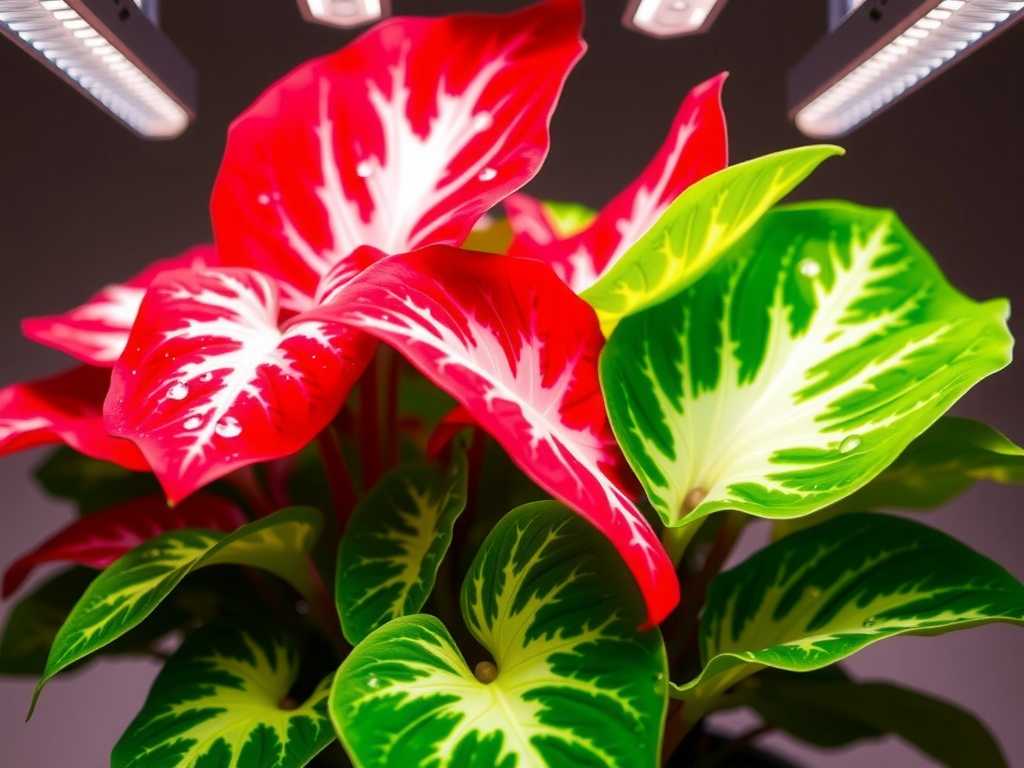
Days 8-14: Remarkable Transformation and New Growth The second week showed undeniable progress. The existing leaves deepened in color. The red veins on ‘Red Flash’ became more pronounced. Most excitingly, both plants pushed out new growth buds. By day 14, these buds had unfurled into new leaves. The new leaf on the ‘White Queen’ was larger and had more brilliant white and green contrast than any leaf it had produced in my window. The ‘Red Flash’ new leaf showed stunning pink and red splashes. The plants looked perky and vibrant all day, every day, no longer stretching weakly toward a distant window.
Crafting Your Perfect Caladium Grow Light Schedule
Consistency is everything. Here is the schedule I landed on and still use:
- Photoperiod: 10-12 hours of light per day. I use a simple outlet timer for flawless consistency. Plants, like us, benefit from a regular circadian rhythm.
- Distance: 12-18 inches from the top of the leaves. Closer can cause bleaching or scorching; farther away leads to leggy growth. Adjust as your plant grows.
- The Dark Period: This is non-negotiable. Plants need darkness for respiration. Never run lights 24/7.
Beyond the Light: Holistic Care Under Artificial Sun
Grow light care is more than just the light. It changes your entire care routine:
- Watering: As I learned, plants under grow lights often need more frequent watering than those in low natural light. Monitor soil moisture closely.
- Fertilizing: With more energy from consistent light, your caladiums can process nutrients better. I feed with a balanced, diluted liquid fertilizer every 4-6 weeks during the growing season.
- Rotation: Rotate your pot a quarter turn every few days to ensure even growth and prevent the plant from leaning into the light source.
Troubleshooting Common Grow Light Issues
- Leggy Stems: The light is too far away or not intense enough. Lower your light or get a stronger fixture.
- Bleached or Scorched Leaves: The light is too close or too intense. Raise the light immediately.
- Lack of Color (Leaves Staying Green): The light spectrum may be lacking. Ensure you are using a full-spectrum light. Also, some varieties need more light intensity to express their full color potential.
- Slow Growth: Check all other factors: temperature, humidity, watering, and fertilization. The light provides the energy, but the plant needs all conditions to be right to use it.
Can I use a regular LED desk lamp to grow caladiums? It’s possible but not ideal. Standard LEDs lack the optimized spectrum and intensity for robust plant growth. They may keep a caladium alive in low light, but you won’t see vibrant color or vigorous growth. A dedicated full-spectrum grow light is a worthwhile investment.
How do I know if my caladium is getting too much artificial light? Watch for warning signs: leaves turning pale, yellow, or white (bleaching), crispy brown patches or tips (scorching), or leaves curling inward to reduce exposure. If you see these, increase the distance between the light and the plant immediately.
Do I need to give my caladiums a "rest period" under grow lights? Yes, absolutely. During their natural dormancy period in fall/winter, you can reduce the photoperiod to 6-8 hours of light and cut back on watering as the leaves die back. This allows the tuber to rest. Resume longer light cycles when you see new growth in spring.
Growing caladiums without a single ray of natural light is not only possible, it can be incredibly rewarding. By providing a consistent, full-spectrum light source, you take complete control of their most critical need. My two-week journey from struggling plants to vibrant, colorful growth proved that with the right grow light care setup, you can create a perfect microclimate for these tropical wonders anywhere in your home. The transformation is real, and the results speak for themselves in every brilliantly colored, perfectly formed new leaf.





