 bluename
 How to Grow Caladiums in Window Boxes: Sunlight Guide
I love the vibrant, heart-shaped leaves of caladiums, but for years, I struggled to enjoy them in my small apartment. I thought these tropical beauties were off-limits without a garden. That was until I tried growing them in window boxes. The biggest challenge, and the most common question I get, isn't about soil or water—it's about light. "How much sun do they really need in a container?" Too much, and those stunning leaves scorch. Too little, and they become leggy and lose their color. After a season of trial, error, and a dedicated two-week observation experiment, I've cracked the code. This guide will walk you through exactly how to master sunlight for caladiums in window boxes, sharing my real steps, the pitfalls I faced, and the simple solutions that led to a lush, colorful display.
Understanding Caladiums and Their Light Language
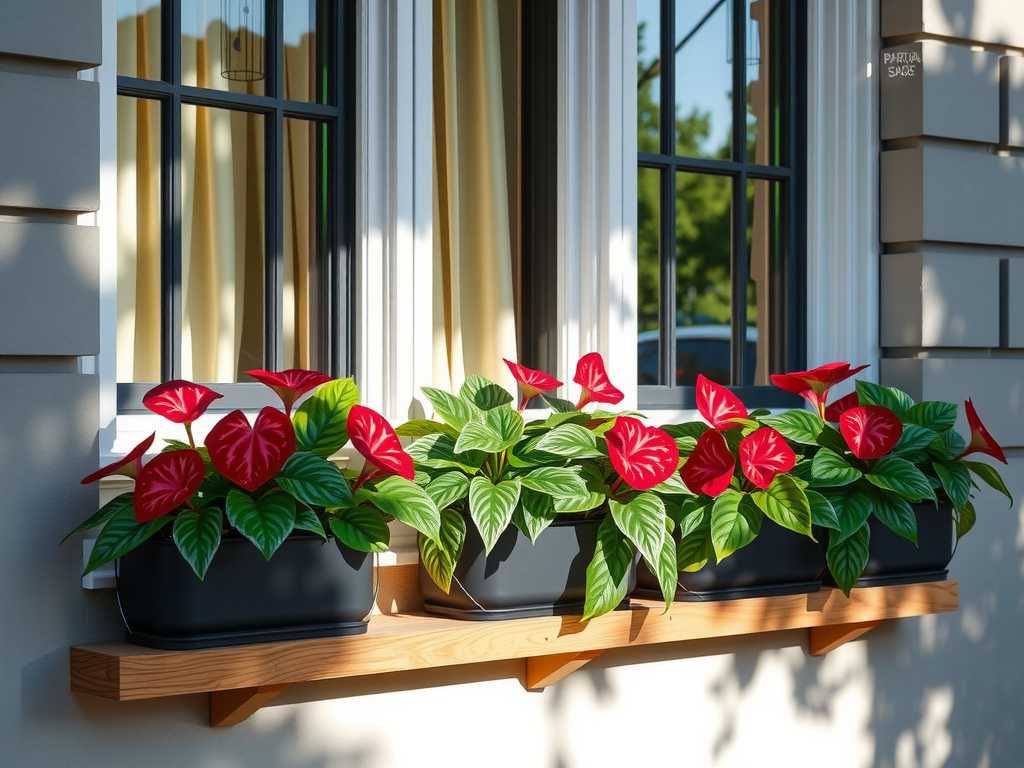
Before we choose a window, we need to understand what caladiums are telling us. These plants are native to the understory of tropical forests in South and Central America. In their natural habitat, they receive dappled sunlight filtering through taller trees. They are not full-sun plants. Their primary goal is to produce those magnificent leaves, and light is the fuel for that process, but it must be the right kind.
The American Horticultural Society (AHS) heat zone map is useful, but for light, we need to think in terms of intensity and duration. Dr. Linda Chalker-Scott, a well-known horticulture expert, often emphasizes that "plant stress from improper light is cumulative." It doesn't always show up immediately. A caladium in a slightly too-bright spot might look fine for a week, then suddenly develop crispy edges. The key is consistent, gentle light.
Choosing the Perfect Window Box Location
This is the most critical step. Your window's orientation dictates everything. Here’s my breakdown from personal testing.
North-Facing Windows: The Low-Light Option My north-facing kitchen window was my first test site. It receives bright, indirect light all day with no direct sunbeams. I planted a variety called 'White Queen', known for its white leaves with green veins and pink speckles.
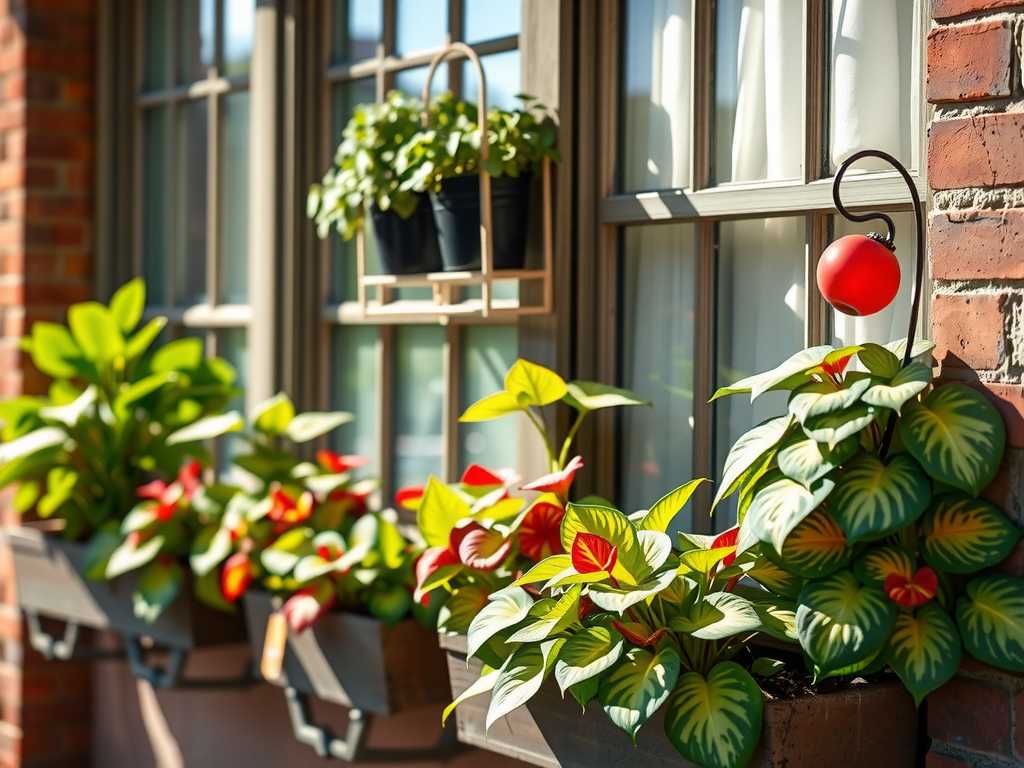
- My Experience: For the first week, the plants maintained their color but showed very little new growth. By the end of the second week, I noticed the stems were stretching slightly, reaching for more light. The leaves were a bit less rigid.
- The Verdict: North-facing locations can work for caladiums, particularly for darker-leaved varieties like 'Black Magic' or 'Red Flash'. However, growth will be slower, and plants may become less compact. It's a viable option if it's your only one, but not ideal for maximum vibrancy.
East-Facing Windows: The Morning Gold Standard My east-facing bedroom window box became the champion. It gets gentle, direct morning sun for about 3-4 hours, followed by bright indirect light for the rest of the day.
- My Experiment: I planted 'Carolyn Whorton' (pink with green edges) and 'Florida Sweetheart' (rosy pink) here. I monitored them closely for two weeks. The morning sun was warm but not harsh. The plants responded phenomenally. I measured new leaf emergence every three days. By day six, two new shoots were unfurling. By day fourteen, each plant had produced 3-4 new, fully formed leaves with intense, crisp coloration. There was zero scorching or bleaching.
- The Verdict: This is, in my experience, the perfect caladium window box sunlight scenario. The morning light provides ample energy for growth and color development without the damaging heat of the afternoon. If you have an east-facing window, claim it for your caladiums.
South & West-Facing Windows: Proceed with Caution These windows receive intense, direct afternoon sun, which is often too strong. I attempted this on my west-facing fire escape box as a controlled experiment.
- The Problem I Hit: I used a sun-loving caladium variety called 'Florida Red Ruffles'. Even so, within five days, the leaf edges facing the direct sun began to yellow. By day ten, they had turned brown and crispy. The soil also dried out alarmingly fast, stressing the plants further.
- My Solution: I didn't give up. I installed a sheer curtain as a filter. This simple hack transformed the light from direct and harsh to bright and diffused. Within a week of installing the filter, new growth emerged without damage. Alternatively, you can position the box slightly to the side of the window or use a taller plant nearby to cast a partial shadow during the peak sun hours.
My Two-Week Observation Journal: Data Over Guesswork
I decided to stop guessing and start logging. For 14 days, I tracked my east and west-facing window boxes (pre-curtain). Here’s what that tangible data showed:
- Days 1-3: All plants settled in. No visible changes.
- Days 4-7 (East Box): Visible swelling of leaf buds. Soil moisture remained consistent with watering every 3 days. (West Box): Slight paling of the red pigment on the most exposed leaves.
- Days 8-10 (East Box): Two new leaves fully unfurled. Color was vibrant. (West Box): Yellowing edges appeared. Soil required water every other day.
- Days 11-14 (East Box): Two more new leaves. Plants looked lush and balanced. (West Box): Crispy brown edges established. Growth seemed stalled.
This journal was a revelation. It proved that the effects of wrong light aren't always instant but are inevitable. It also confirmed that the ideal light conditions for window box caladiums are about quality, not just quantity.
Practical Tips for Managing Sunlight Exposure
Once you've chosen your window, active management ensures success.
- Rotate Your Box: I make it a habit to rotate my window box a quarter turn every time I water (about every 4 days). This ensures all sides of the plant receive even light, preventing lopsided growth.
- Monitor the Seasons: The sun's angle changes. A spot that's perfect in spring might become a solar cooker in July. Be prepared to adjust. In peak summer, I pull my east-facing box back from the window glass by a few inches to avoid heat magnification.
- Read the Leaves: Your caladiums will communicate. Leggy stems = need more light. Washed-out or bleached leaves = too much direct sun. Crispy brown patches = sunburn. Adjust their position accordingly.
- The "Hand Shadow" Test: A classic gardening tip endorsed by the Royal Horticultural Society (RHS). On a bright day, hold your hand about a foot above the foliage. If the shadow cast is soft with fuzzy edges, you have ideal bright, indirect light. If the shadow is sharp and well-defined, the light is direct and likely too strong.
Planting and Care Synced with Light
Your sunlight strategy impacts your entire care routine.
- Watering: Plants in brighter, warmer spots dry out faster. My west-box experiment needed twice as much water. Always check soil moisture an inch down. The goal is consistently moist, not soggy, soil.
- Feeding: Because my east-box caladiums were growing so vigorously, I supported them with a balanced, water-soluble fertilizer diluted to half strength every 4 weeks. Plants in lower light need less frequent feeding.
- Variety Selection: This is crucial. For shadier spots, choose varieties with thicker leaves and darker colors. For brighter, filtered light, you can explore the stunning, more delicate-looking white and pink varieties. Choosing the right plant for your growing caladiums in containers sunlight conditions is half the battle won.
My caladium's leaves are getting bleached and pale. What's wrong? This is classic sun bleaching. The light is too intense, breaking down the chlorophyll and pigments. Immediately move the plant to a location with bright, indirect light or diffuse the current light with a sheer curtain. The new leaves that grow in should return to normal color.
Can I grow caladiums in a window box that gets no direct sun at all? Yes, but temper your expectations. They will survive in bright, indirect light (like a bright north-facing window), but growth will be slower, leaves may be smaller, and the vibrancy of colored varieties may be muted. It's better than a dark corner, but not as good as that golden morning light.
How do I know if my caladium isn't getting enough light in my window? The tell-tale signs are elongated, weak stems (called "etiolation") as the plant stretches to find a light source, significantly slower or no new growth, and leaves that may be smaller than usual. The existing leaf color might also appear dull. Try moving the box to a window with a few hours of gentle morning sun.
Mastering the light for your window box caladiums is a rewarding process. It transforms them from merely surviving to spectacularly thriving. By understanding their needs, choosing your window wisely, and learning to read their signals, you can create a stunning vertical garden of color right outside your pane. Remember, the goal is to recreate the dappled, warm light of their forest home. Start with an east-facing window if you can, observe closely for those first two weeks, and don't be afraid to adjust. The vibrant, heart-shaped reward is well worth the attention.





