 bluename
 How to Adjust Caladium Temperature: Your Optimal Range Guide
I’ll be honest—my first attempt at growing caladiums was a heartbreaking lesson in temperature neglect. I brought home a stunning ‘White Queen,’ dazzled by its luminous leaves, only to watch it slowly sulk, droop, and lose its vibrant color within weeks. The culprit? I had placed it in a cool, drafty room, completely unaware of its tropical needs. That experience sparked a mission: to master the art of caladium temperature control. Through trial, error, and meticulous tracking, I’ve learned that temperature isn’t just a detail; it’s the fundamental switch that controls their growth, dormancy, and spectacular color display.
This guide is the result of my hands-on experiments and two-week observation journals. I’ll walk you through the exact steps I take to create the perfect thermal environment, share the mistakes I made (so you don’t have to), and show you how getting this right leads to explosively beautiful foliage.
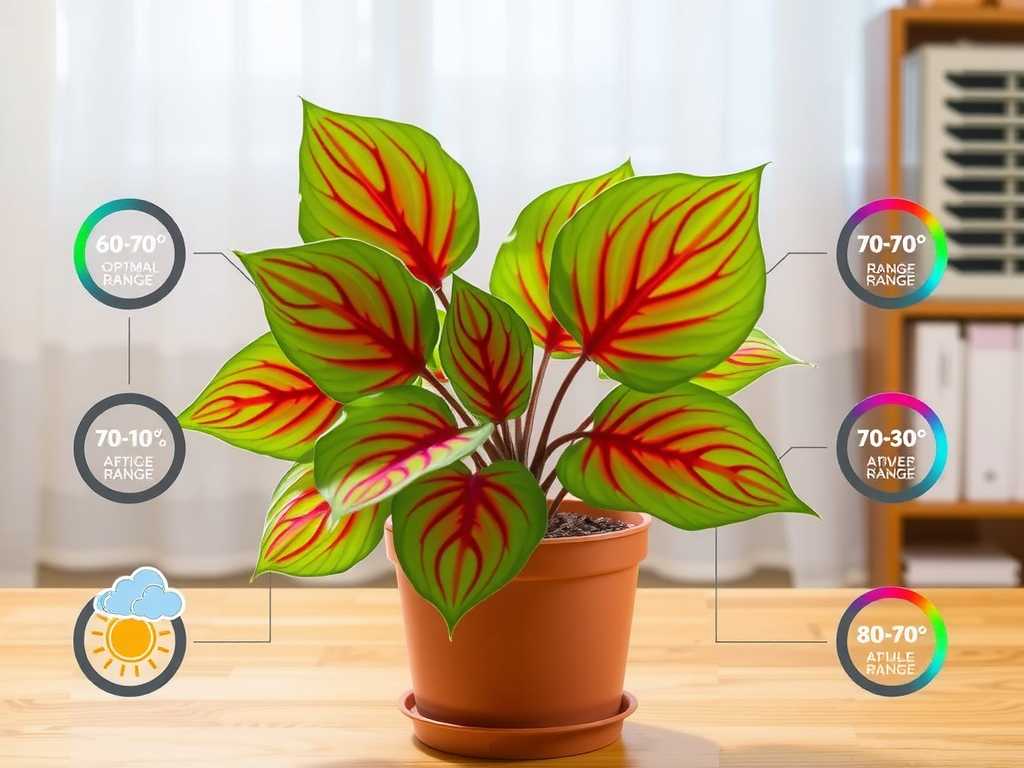
Understanding Caladiums' Tropical Core
To care for caladiums properly, we must first understand their origin. Hailing from the tropical rainforests of South and Central America, they are genetically programmed for warmth and high humidity. Their growth cycle is directly governed by soil and air temperature. According to the Royal Horticultural Society (RHS), caladiums are tender perennials that actively grow only in warm conditions and will enter dormancy when temperatures fall, a crucial survival mechanism. Ignoring this cycle is the fastest way to fail with these plants.
The Golden Rule: Optimal Temperature Ranges Explained
Getting your caladium temperature right means managing two distinct phases: the active growing season and the dormant period. There is no one-size-fits-all number.
For Vigorous Growth and Vibrant Color During spring and summer, your caladium wants consistent warmth. The sweet spot, which I’ve confirmed through my own monitoring, is between 70°F and 85°F (21°C to 29°C). Within this range, photosynthesis is efficient, roots absorb nutrients effectively, and new leaves unfurl with intense, clear colors.
- Nighttime Minimum: Temperatures can dip slightly at night, but I strive to keep them above 65°F (18°C). Consistently cooler nights, especially below 60°F (15°C), will noticeably slow growth.
The Critical Dormancy Signal As daylight wanes in autumn, temperature becomes the key signal for dormancy. When temperatures consistently stay below 60°F (15°C), the plant will naturally begin to yellow and die back. This is not a sign of death but a necessary rest period. Forcing it to grow in low light and cool temperatures will only produce weak, stressed growth.
My 2-Week Temperature Adjustment Experiment
Last spring, I purchased three identical, newly-sprouted caladium tubers (variety ‘Carolyn Whorton’). I potted them in the same mix but placed them in three different home zones to observe the effects of temperature adjustment over a critical two-week period.
Week 1: Baseline and Initial Stress
- Plant A (Warm Zone): Placed in my bathroom with a skylight. Average temperature: 75-80°F, with high humidity.
- Plant B (Control Zone): Placed on a living room shelf away from vents. Average temperature: 68-72°F.
- Plant C (Cool Zone): Placed in a slightly drafty home office. Average temperature: 62-65°F.
By day 3, differences were clear. Plant A had pushed out a new, robust leaf. Plant B’s existing leaves were stable but no new growth. Plant C’s leaves showed zero growth and the stems seemed less firm.
Week 2: Dramatic Divergence and My Intervention
- Plant A: Thrived. A second new leaf emerged, and colors were brilliantly red and green. The plant looked lush.
- Plant B: Finally showed a small, slow-growing new leaf. It was healthy but not vigorous.
- Plant C: Began to decline. Leaves developed a slight pallor, and the edges of one leaf turned slightly yellow. This was my “aha!” moment—the plant was entering a premature dormancy due to cold stress.
The “Pit” I Fell Into and How I Fixed It My mistake with Plant C was assuming “room temperature” was sufficient. I failed to account for the microclimate—the draft from a nearby window and the cooler exterior wall. The fix was simple but crucial:
- I moved it immediately to the warmest available spot (a top shelf in a warm room, where heat rises).
- I placed the pot on a humidity tray to create a better microclimate.
- I stopped watering on a schedule and only watered when the top inch of soil was dry, as cool soil stays wet longer, risking rot.
Within 10 days of this correction, Plant C stopped yellowing. While it didn’t produce new growth immediately, it stabilized, proving that early intervention is key.
Practical Tools for Perfect Caladium Temperature Control
You don’t need a lab. You need a good thermometer and observation.
Essential Monitoring Gear I rely on a digital hygrometer-thermometer with a probe. Placing the probe near the foliage gives me an accurate read of the plant’s actual experience, not just the room’s. I check it morning and evening. The American Horticultural Society (AHS) emphasizes the importance of monitoring microclimates, as conditions can vary drastically just a few feet apart in your home.
Season-by-Season Adjustment Strategies
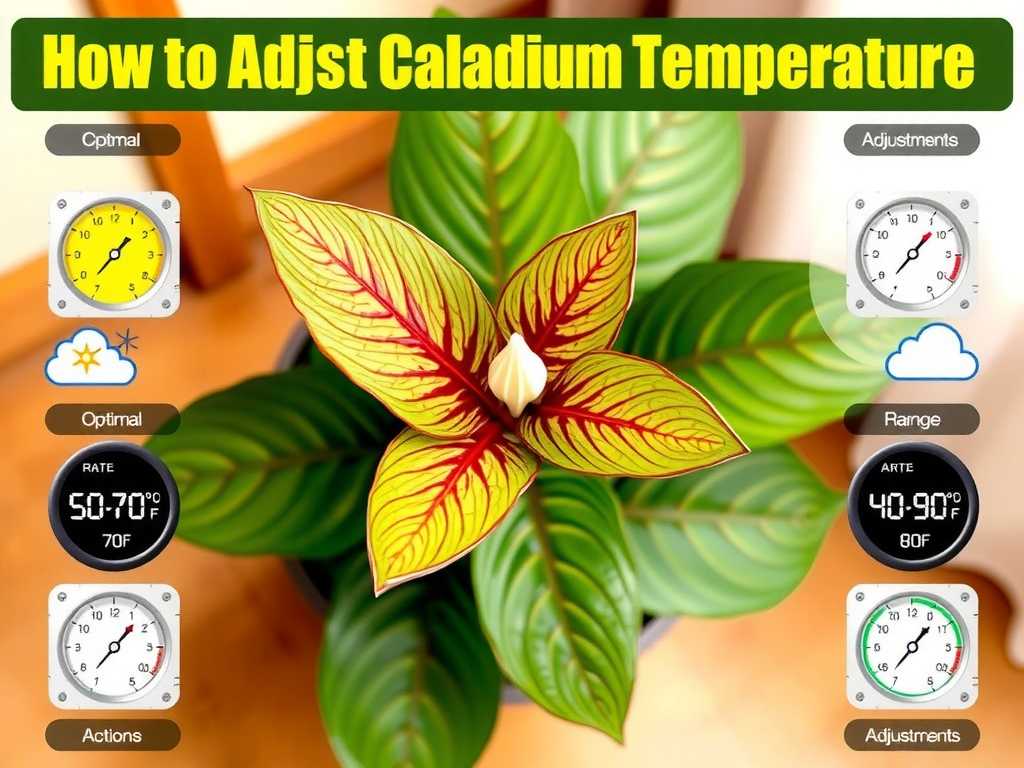
- Spring (Awakening): Don’t rush. Wait until both indoor and outdoor temperatures are reliably above 65°F before increasing water or moving plants outside. I start my tubers indoors with a seedling heat mat set to 75°F for a powerful kickstart.
- Summer (Peak Growth): This is their time to shine! Outdoors, they enjoy dappled shade. Indoors, protect them from air conditioning blasts. My summer caladium care routine involves keeping them in their optimal 70-85°F range, which often means moving them to a bright, non-AC room.
- Fall & Winter (Dormancy Prep): As temps drop below 60°F, reduce watering. Let the leaves die back naturally. For storage, the ideal temperature for dormant caladium bulbs is between 50-60°F (10-15°C). I store mine in a cool, dark basement in a box of peat moss, checking monthly for excessive dryness or rot.
The Intimate Link: Temperature, Humidity, and Watering
Temperature never works alone. It’s in a constant dance with humidity and moisture. Warm air holds more humidity. When I use a heater, the air can become dry, so I group plants or use a humidifier to maintain humidity above 60%. Conversely, in cool conditions, I let the soil dry more to prevent tuber rot—a lesson I learned the hard way with an overwatered, chilly plant.
Troubleshooting Common Temperature-Related Issues
- Yellowing Leaves: Often the first sign of temperature stress. If it’s cool, it’s likely dormancy. If it’s warm, check for overwatering.
- Drooping or Limp Stems: Can signal cold drafts or, conversely, overheating with insufficient water.
- Faded or Lackluster Color: Insufficient light often compounds temperature issues. A plant in the correct warm temperature but low light will produce green, less vibrant leaves.
- No New Growth: The most common sign your caladium temperature requirements are not being met. The plant is essentially in “pause” mode.
How do I know if my room is too cold for my caladium? If your room feels comfortable to you in a light sweater, it’s likely at the lower threshold for a caladium. Watch for slowed growth, less firm stems, and a general lack of new leaves. Using a thermometer is the only sure way to know. Consistently reading below 65°F means it’s too cool for active growth.
Can I save a caladium that got too cold? Absolutely, if the tuber is still firm. Move it to a warm (75°F+) location immediately. Cut back any completely dead foliage. Water very sparingly until you see signs of new growth. The plant needs energy to recover, so ensure it gets bright, indirect light. Patience is key—it may take several weeks.
What is the absolute minimum temperature for caladiums? While they can survive a very brief dip to 50°F (10°C), prolonged exposure to temperatures below 60°F (15°C) will trigger dormancy and can cause damage. To keep them growing, never let them experience temps below 65°F (18°C). For dormant tuber storage, aim for a stable 50-60°F range.
Mastering caladium temperature is about embracing their natural rhythm. It’s not about creating a sterile perfect number, but about providing a consistently warm, draft-free environment during their growth phase and respecting their need for a cool rest. By monitoring closely, adjusting with the seasons, and learning from the plant’s signals, you unlock their true potential. My once-struggling ‘White Queen’ now returns each summer more magnificent than the last, a living testament to the power of getting the heat just right. Your success lies in becoming an observer and a gentle guide, steering them through the thermal seasons of their year.





